Space
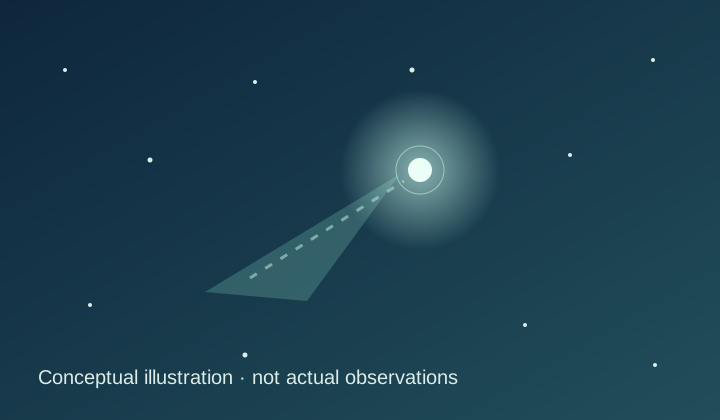
Euclid spots a new comet
A galaxy-mapping telescope found a moving visitor close to home.
THE JOURNAL
Explore science, history and everyday questions. Search the journal or follow a topic below.
LEARNING LAB · INTERACTIVE
Explore all 118 elements, rotate a 3D atom, look inside its nucleus and discover protons, neutrons and quarks. Start with the familiar table, then look closer one level at a time.
Explore the periodic tableFree to explore. Includes guided discoveries, comparison and a 2D alternative.
87 stories
Space
A galaxy-mapping telescope found a moving visitor close to home.
Technology
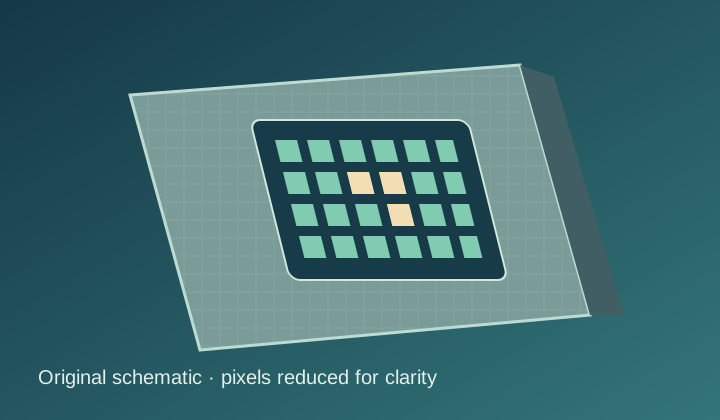
Researchers weave display and touch sensing into fibres, with everyday use still to be proven.
Earth
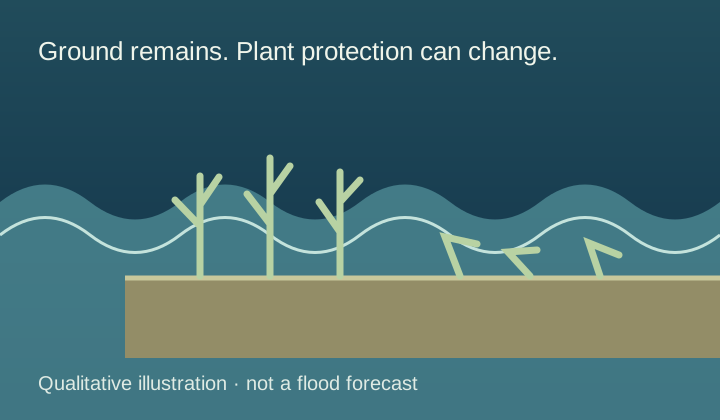
A marsh can keep its ground while damage to its plants weakens part of its wave protection.
Medicine & the Body
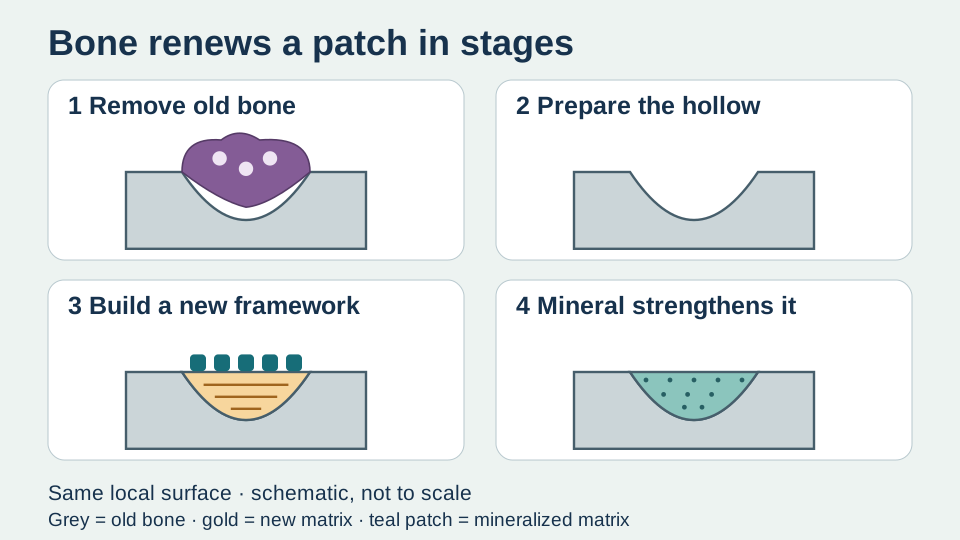
A skeleton stays useful by replacing small patches. Cells remove old bone, other cells build a new protein framework, and mineral gradually hardens it.
Space
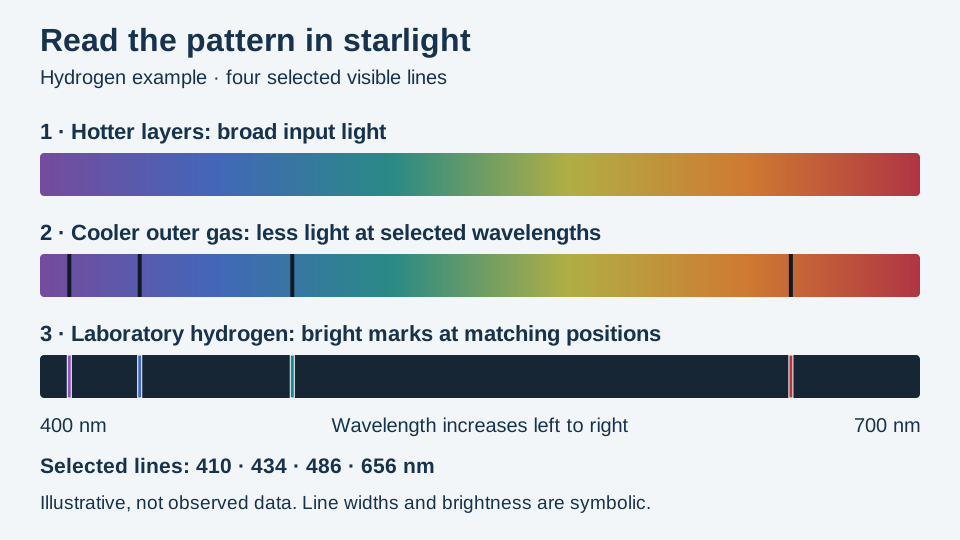
The dark lines in a star’s rainbow identify atoms. Working out how much of each element is there requires another clue: what heat has done to their electrons.
Nature
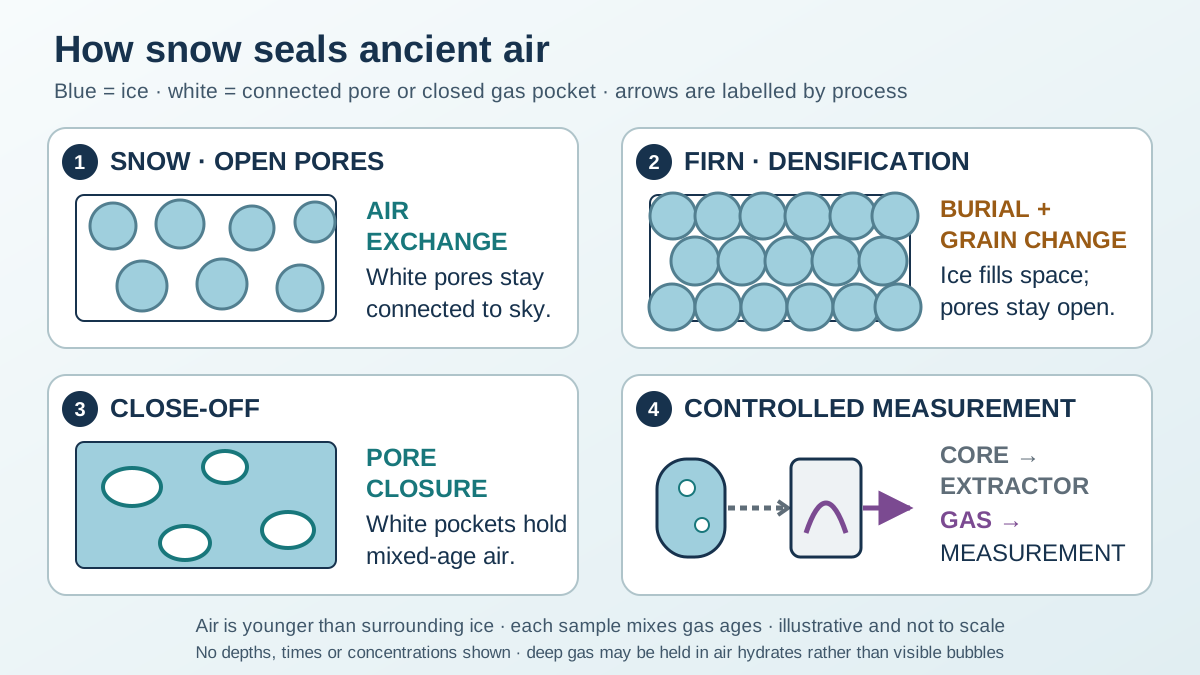
Snow leaves air connected to the sky. As burial closes those passages, ice seals atmospheric samples that scientists can recover much later.
Technology
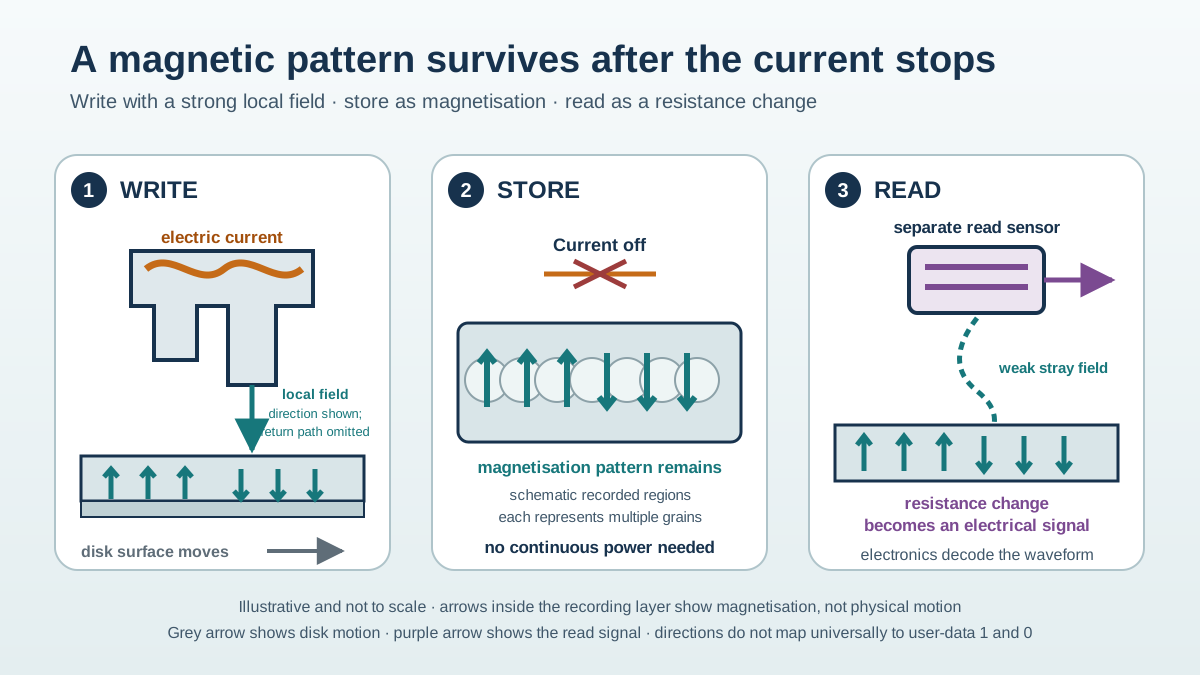
A hard drive turns current into a tiny magnetic pattern, preserves that pattern without power, then converts it back into an electrical signal as the disk spins.
History
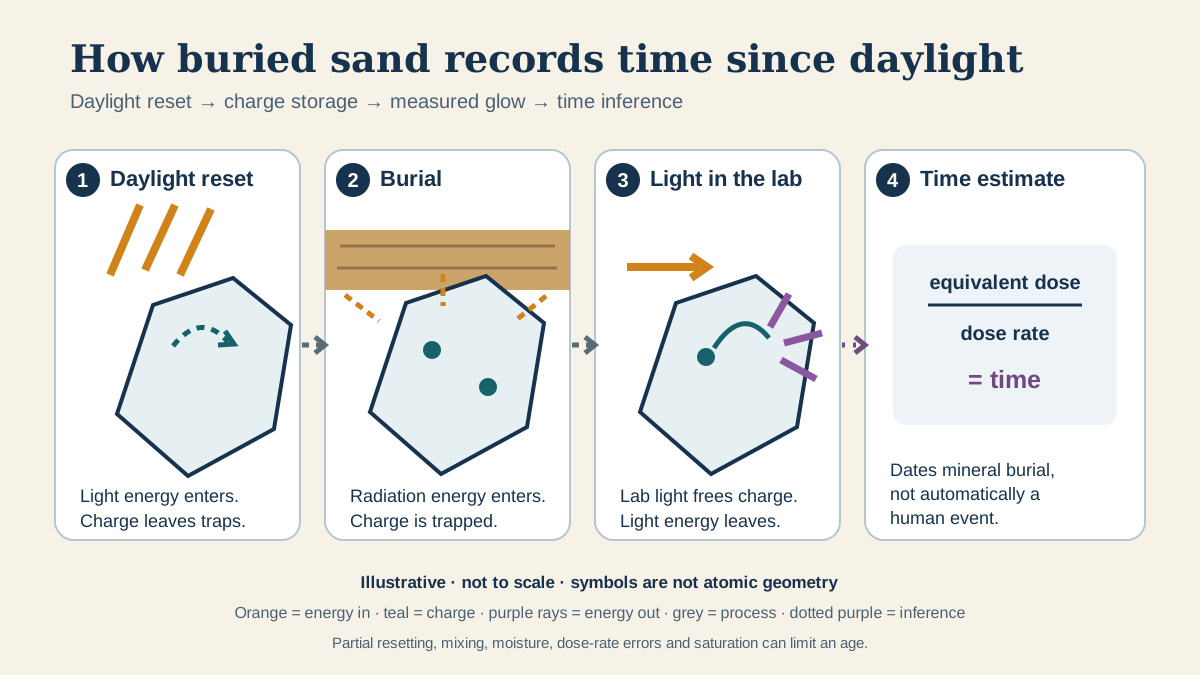
Quartz grains can store a faint record of radiation received in darkness. Reading that signal can estimate when sediment was buried, provided sunlight really reset it and the dose history is known.
Mind & Behaviour
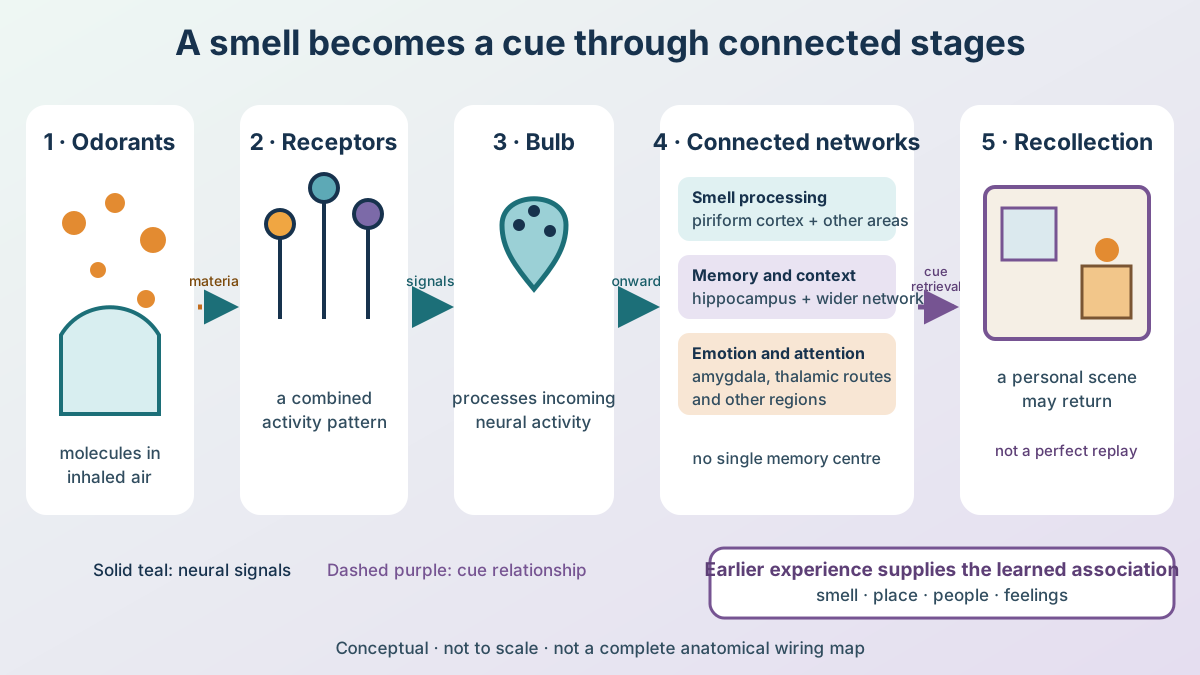
A familiar scent can revive a surprisingly personal scene. The explanation involves chemical signals, learned associations and connected brain networks, not a shortcut to a perfect recording.
Everyday Science
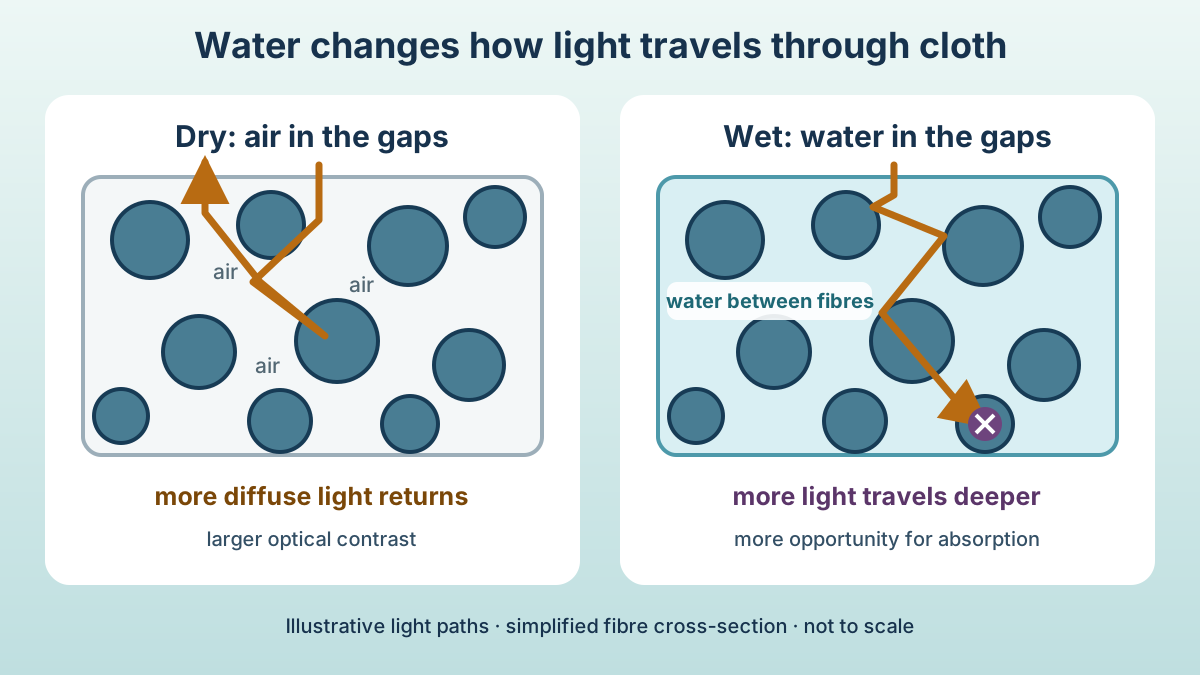
The dye need not change. Water alters the optical boundaries between fibres, so less light scatters straight back and more travels into the cloth where it can be absorbed.
Medicine & the Body
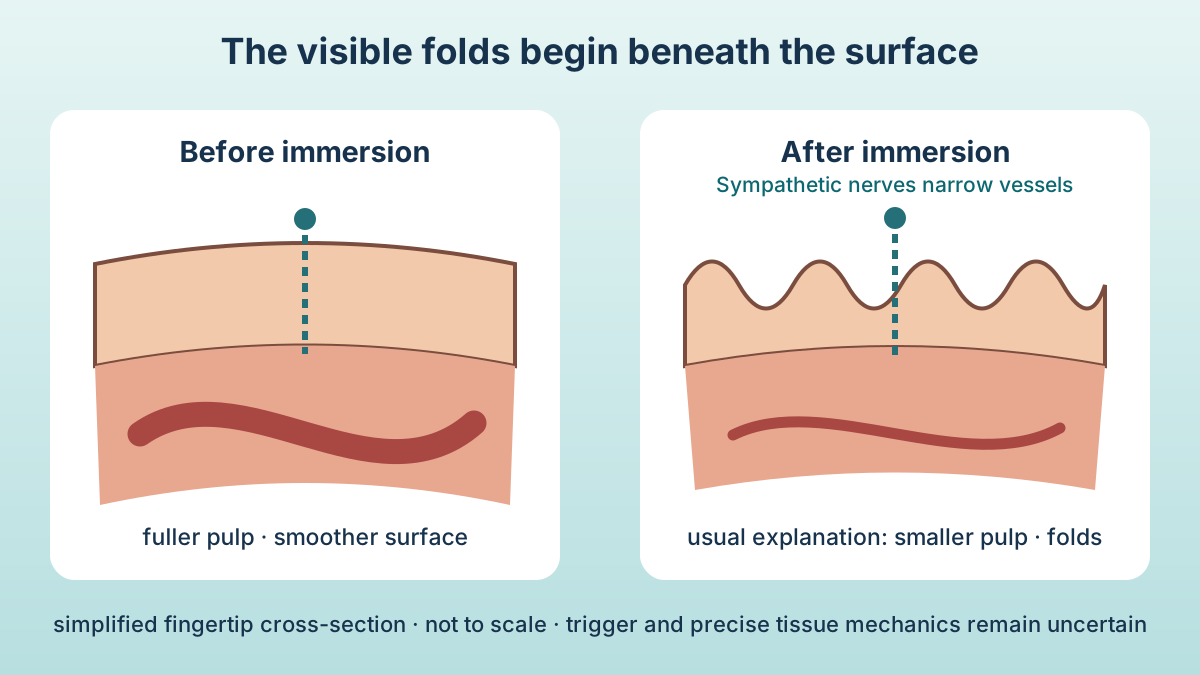
The ridges are not simply waterlogged skin. An intact nerve pathway narrows blood vessels beneath the surface, changing the support under the fingertip skin.
Space
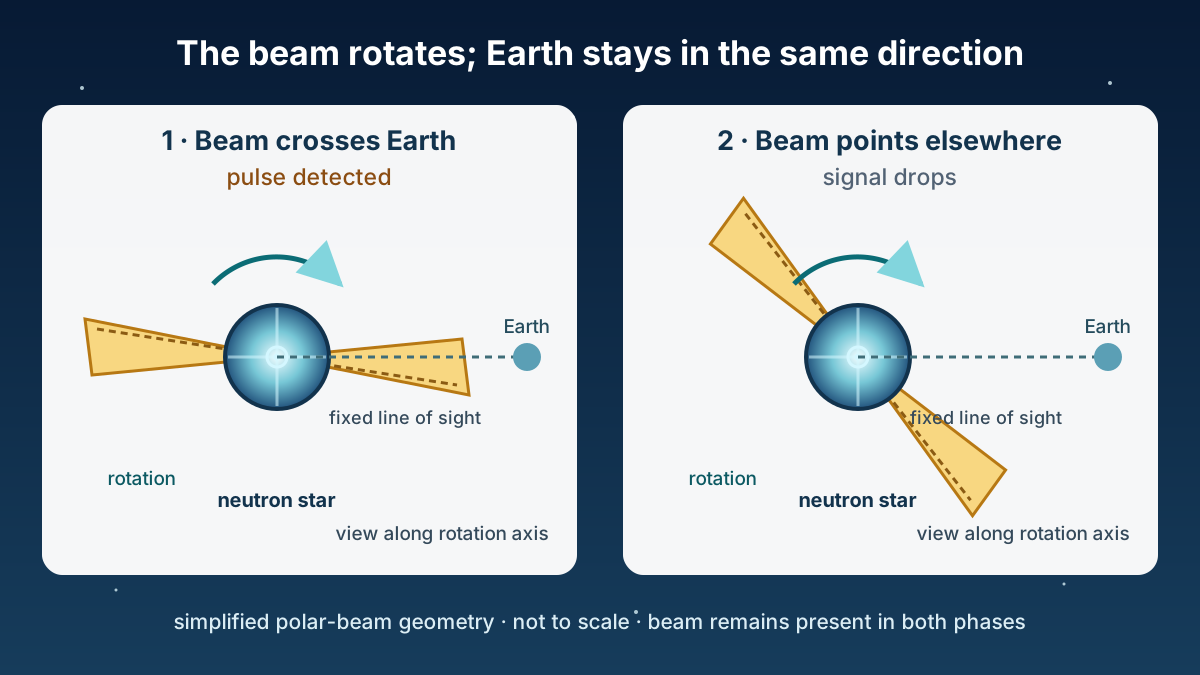
A pulsar does not simply switch on and off. Its rotation sweeps a directional pattern of radiation past Earth, turning geometry into a remarkably regular pulse.
Nature
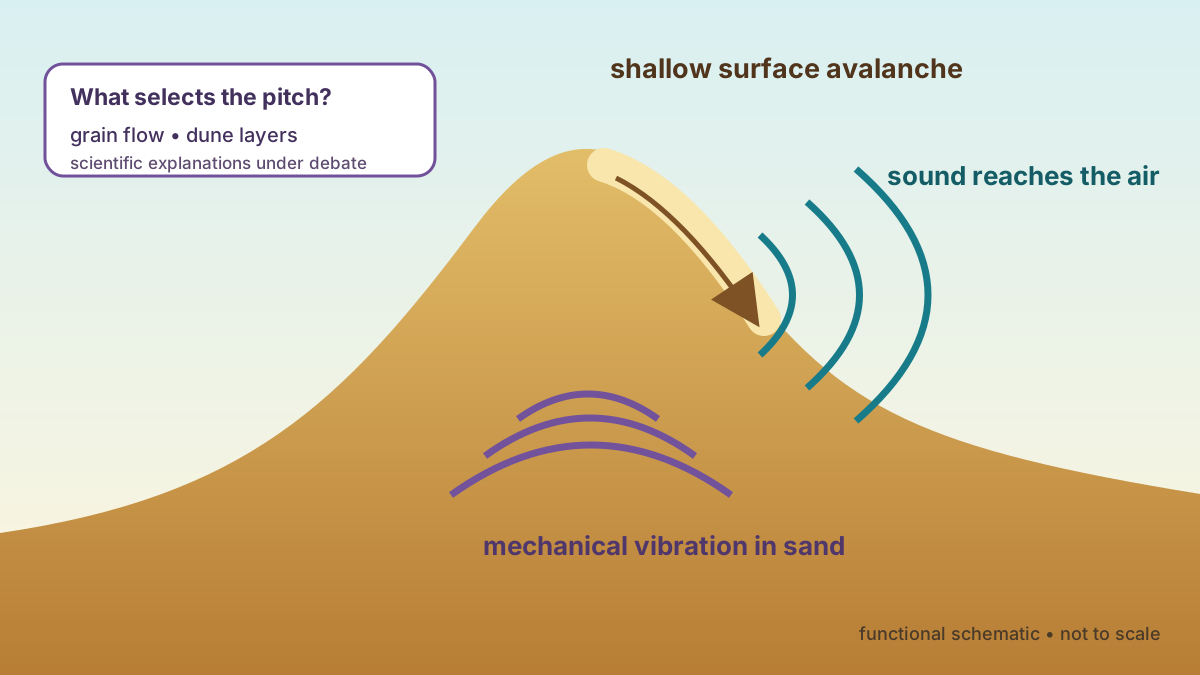
A dry avalanche can turn moving grains into a deep, sustained note. Experiments reveal parts of the process, while how the pitch is selected and natural booms are amplified remains disputed.
Technology
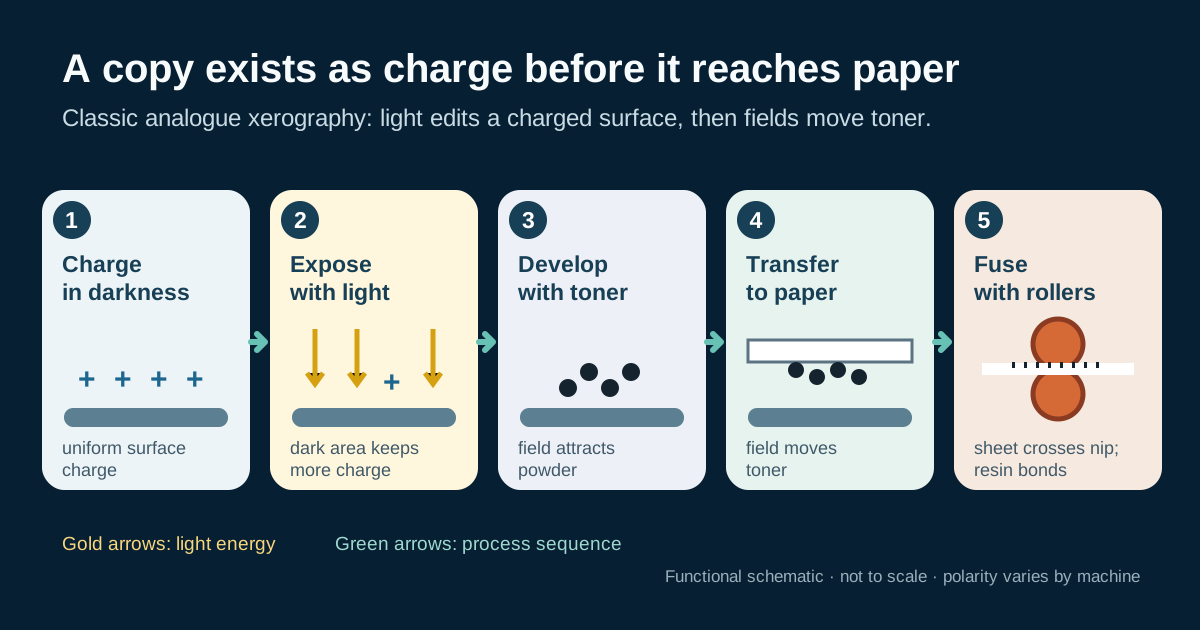
A copier does not press ink against the original. It turns reflected light into a temporary electrical pattern, gives that pattern to toner, and then moves the toner onto a new sheet.
History
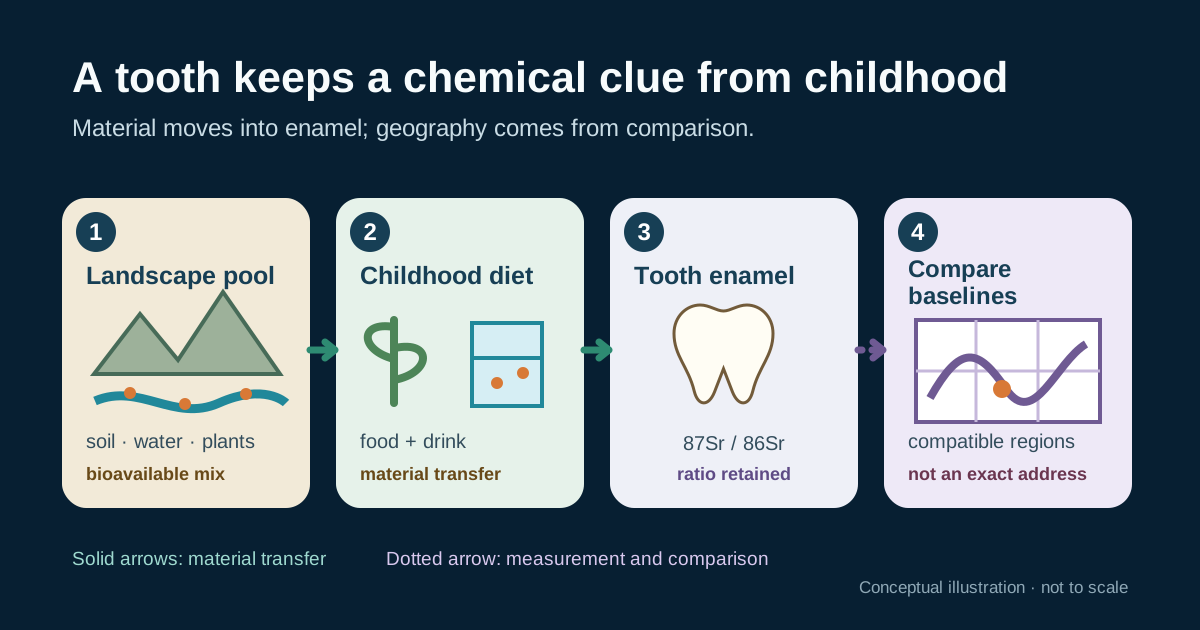
Tooth enamel preserves a childhood strontium ratio. Comparing it with environmental baselines can test local origins, but it cannot supply an exact address.
Mind & Behaviour
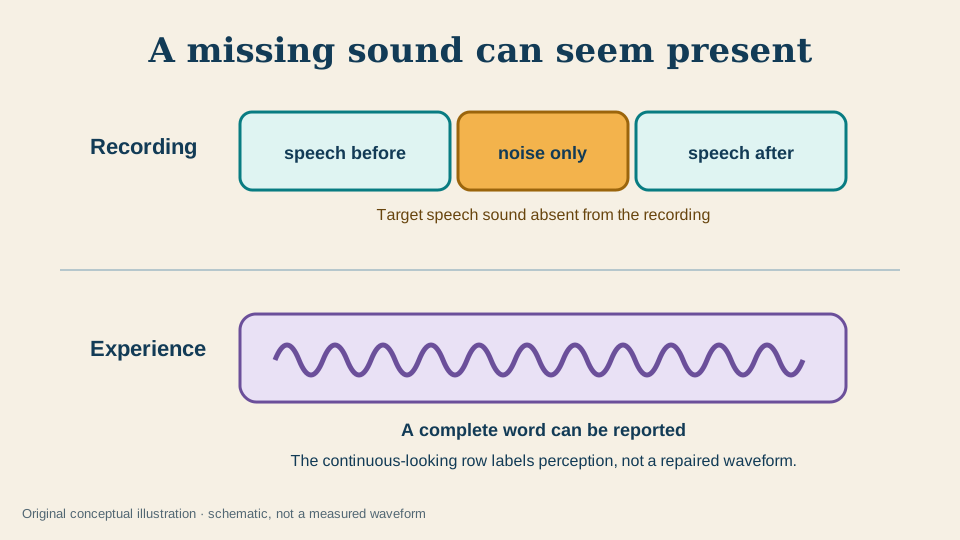
A cough can conceal a missing speech sound so effectively that you hear a complete word. Experiments distinguish that perceptual completion from guessing, and from putting sound back into a recording.
Everyday Science
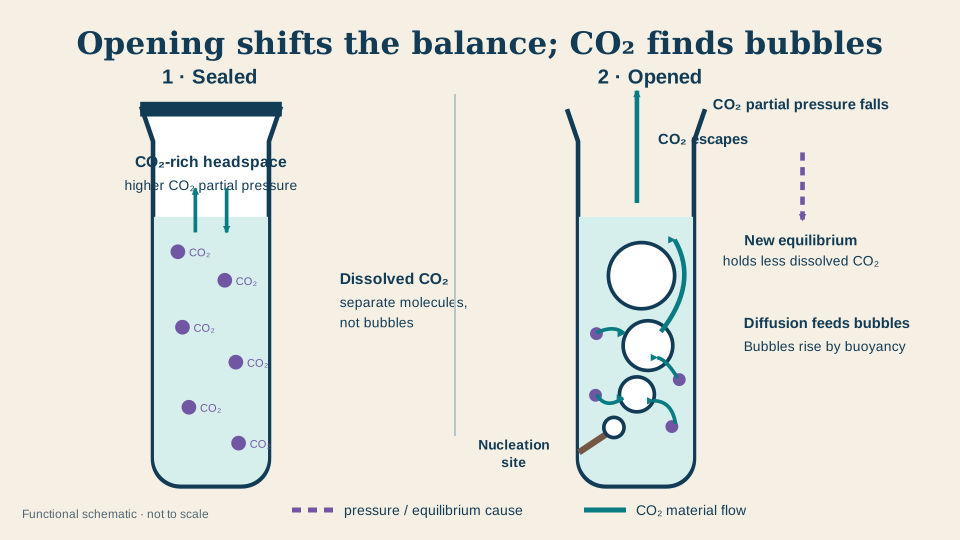
The gas was already there, dissolved in the liquid. Opening the bottle changes its equilibrium, but a bubble still needs a place to begin.
Medicine & the Body
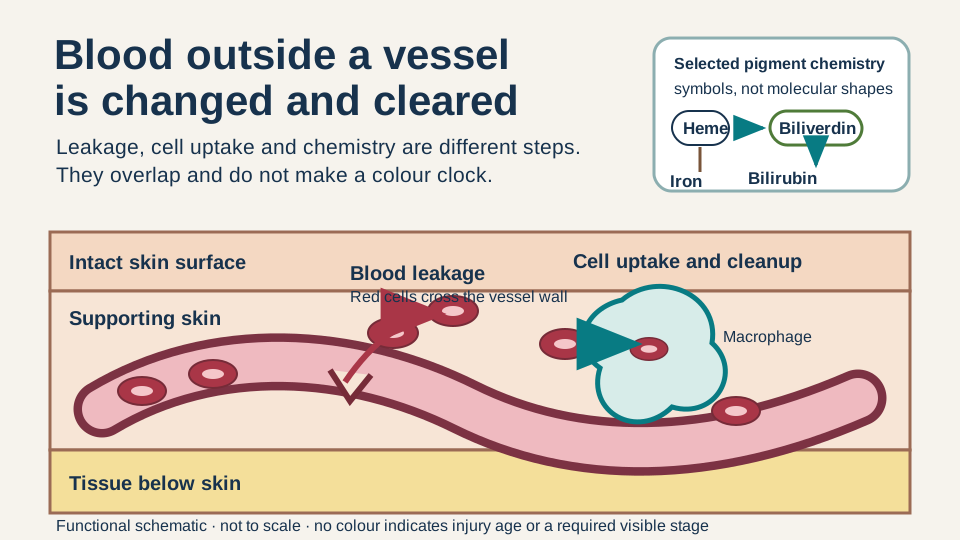
Escaped blood is dismantled, its pigments are chemically changed, and material is cleared or recycled. The colours reveal that cleanup, but not a reliable injury clock.
Space & Physics
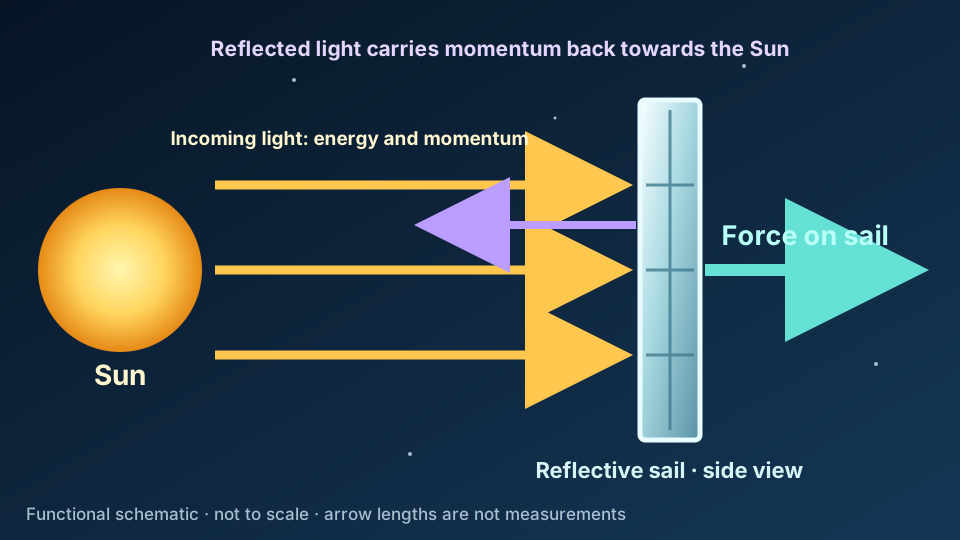
Light carries momentum as well as energy. A large, lightweight mirror can turn that invisible delivery into a small push that keeps changing a spacecraft's motion.
Nature
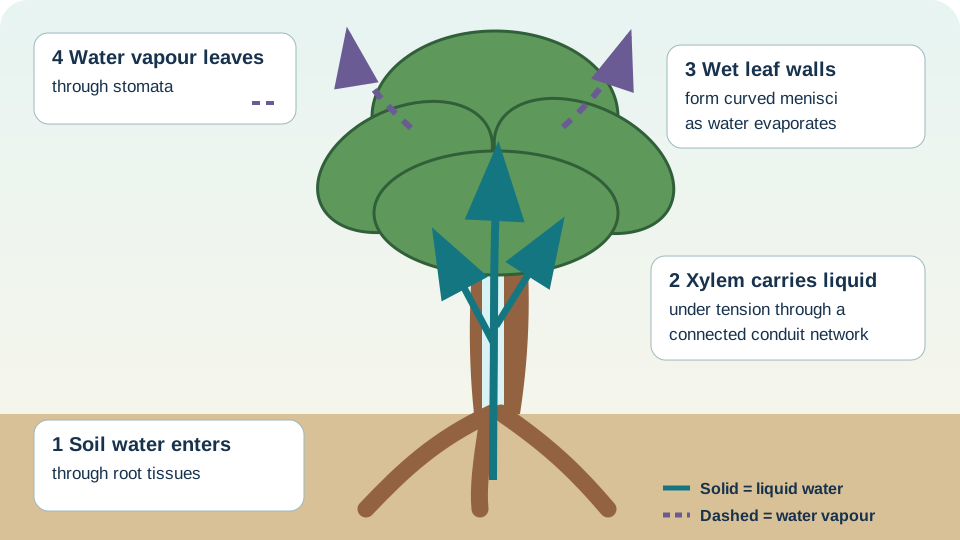
A tree has no heart pushing water upstairs. Evaporation in its leaves puts liquid water under tension, and a connected transport network carries the pull down to the roots.
Technology
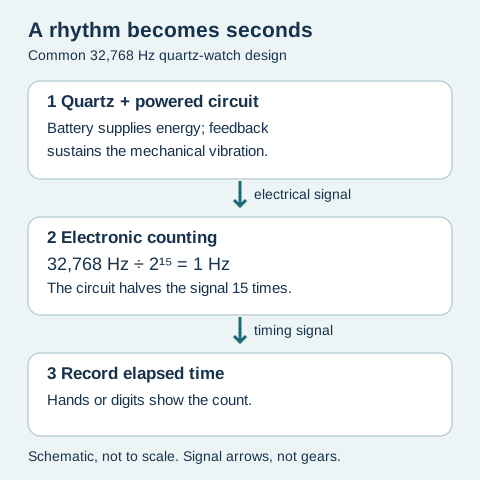
A tiny crystal keeps a fast rhythm. Electronics count it down to a pace we can read, while a battery quietly supplies the energy.
History
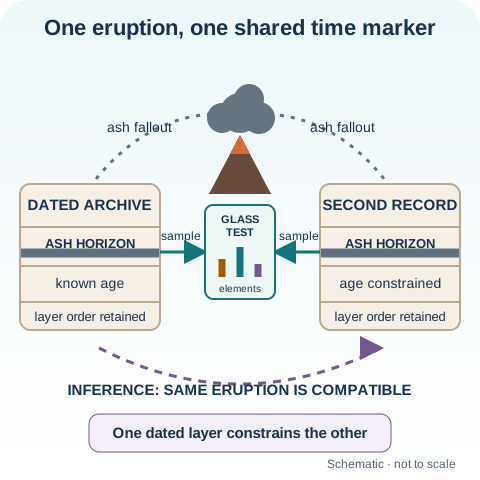
A layer too sparse to see can connect a peat bog, a lake bed and an archaeological site. The link comes from volcanic glass, careful chemistry and disciplined doubt.
Mind & Behaviour
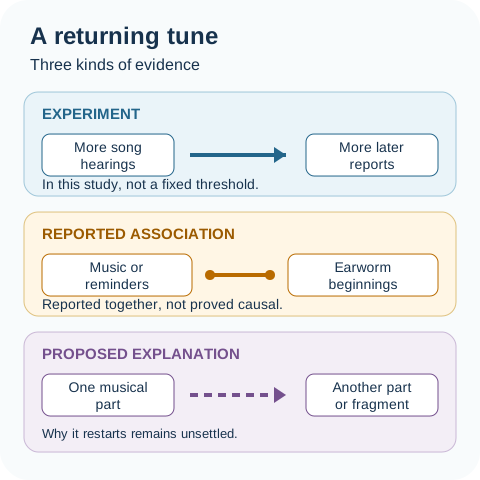
A tune can return without an invitation. Experiments explain some of its entrances, but the repeating fragment still leaves scientists with a puzzle.
Medicine & the Body
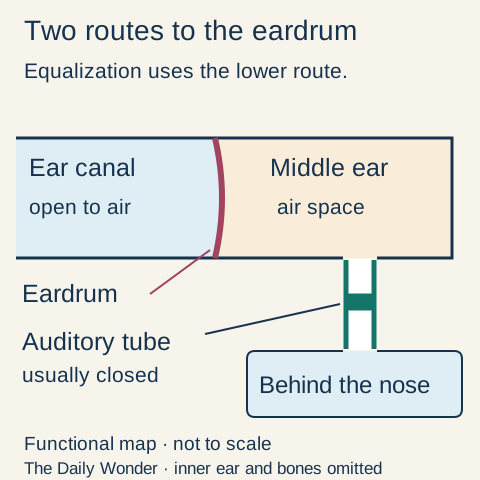
A swallow briefly opens an air passage behind the nose. That lets pressure catch up on the far side of the eardrum.
Everyday Science
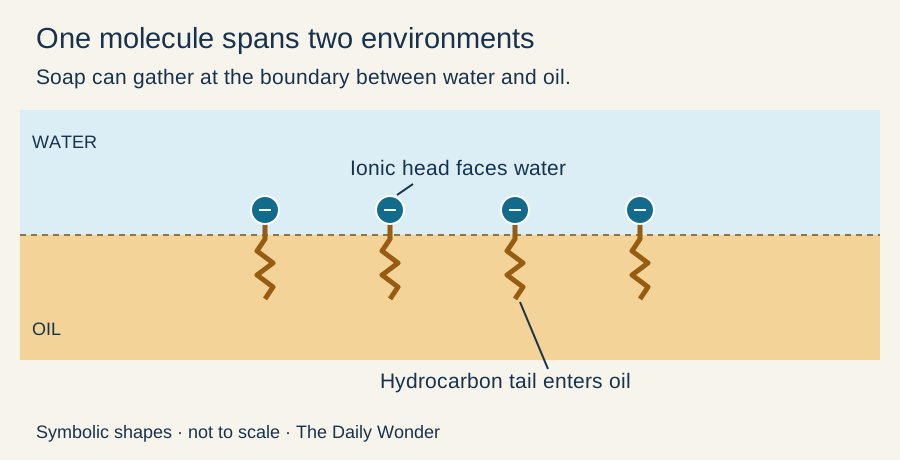
Soap changes what happens where water meets oil. Cleaning still needs movement, separation and a rinse that carries the loosened material away.
Space & Physics
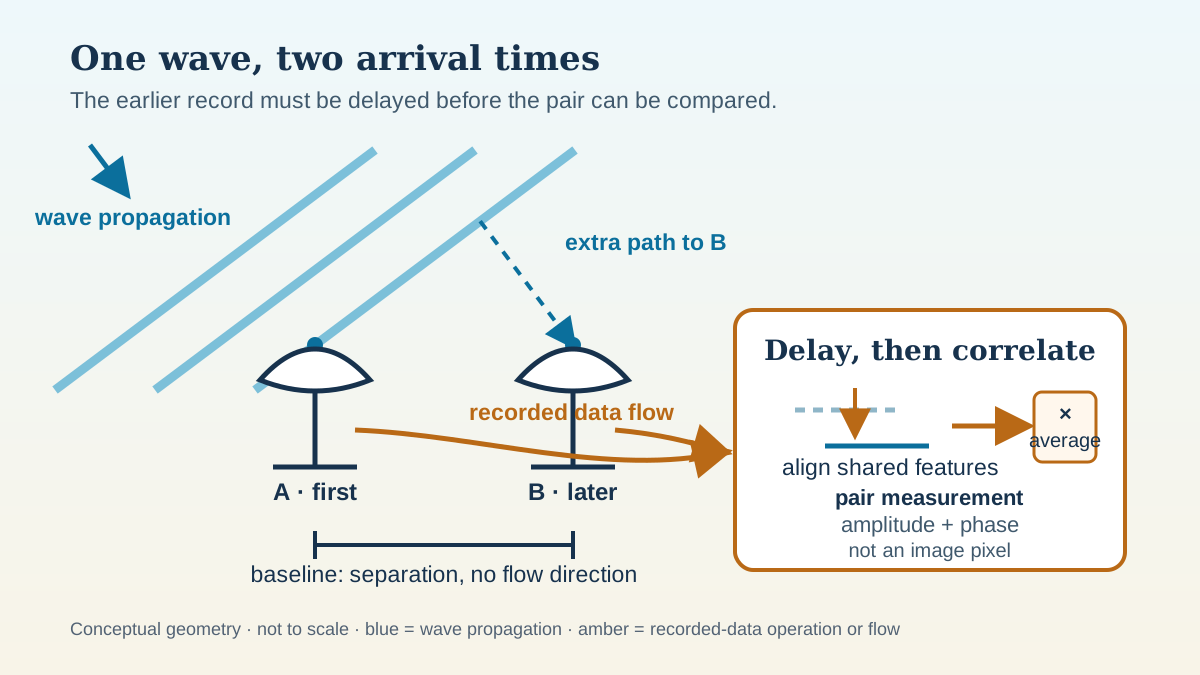
Distant antennas do not stitch photographs together. They compare carefully timed wave signals, using the spaces between dishes to measure finer detail.
Earth
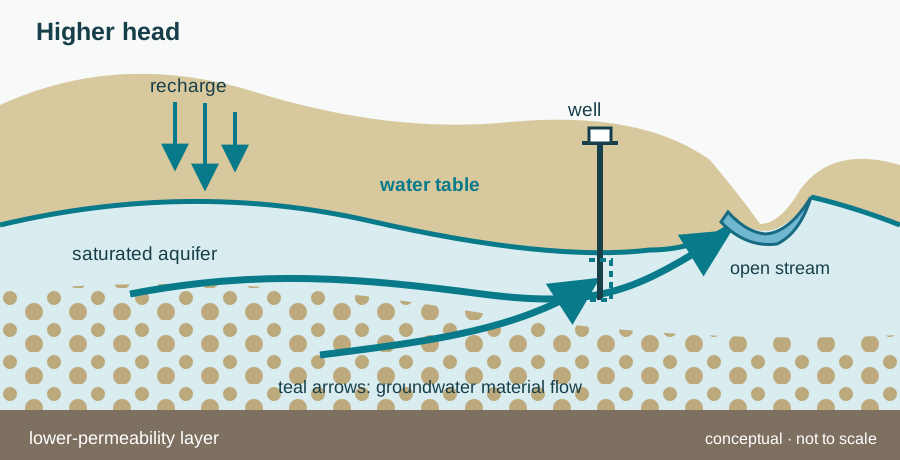
Groundwater usually does not travel through hidden rivers. It follows connected pores and fractures, driven by differences in water level and pressure.
Technology
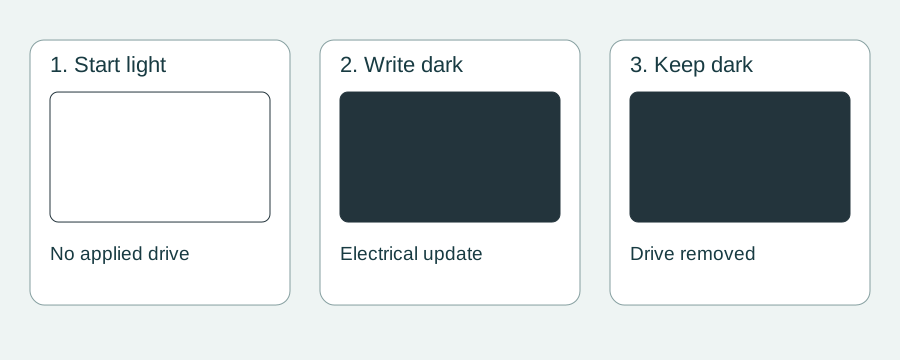
An e-reader moves tiny pigment particles to change its page. Keeping that arrangement visible is a different job, and that difference explains both its efficiency and its compromises.
History
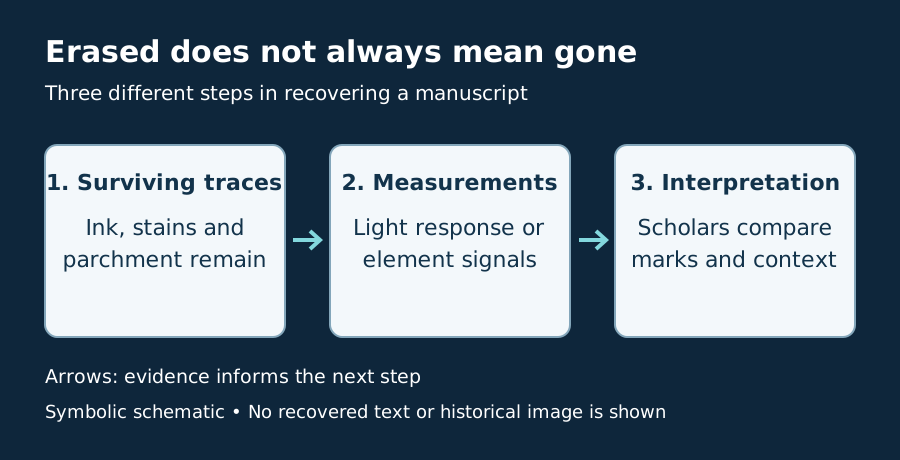
Reused manuscripts can retain traces of older ink. Different imaging methods measure different clues, which scholars must still interpret.
Mind & Behaviour
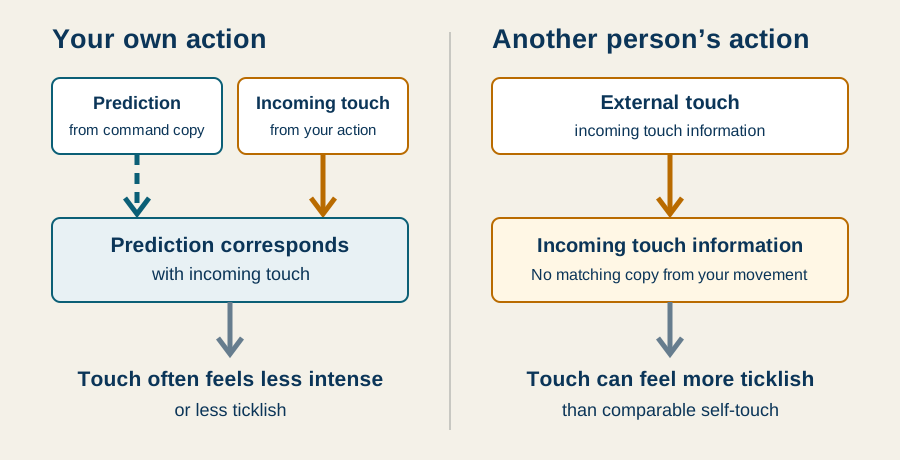
A copy of a movement command helps the brain predict some of its sensory consequences. That explains muted self-touch, but not every mystery of tickling.
Medicine & Body
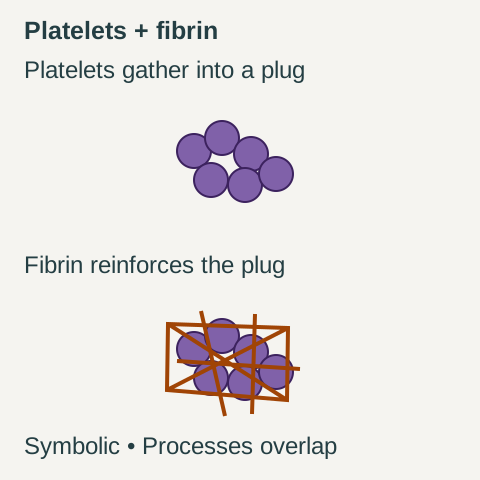
Platelets and a protein mesh make a temporary seal. Rebuilding living skin is a larger, overlapping job.
Everyday Science
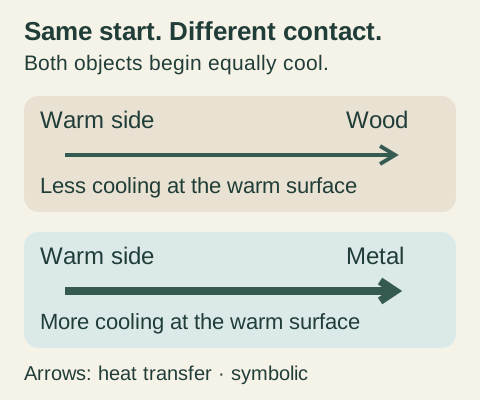
Both can start at the same temperature. What your hand notices is how their surfaces exchange heat with your skin.
Space & Physics
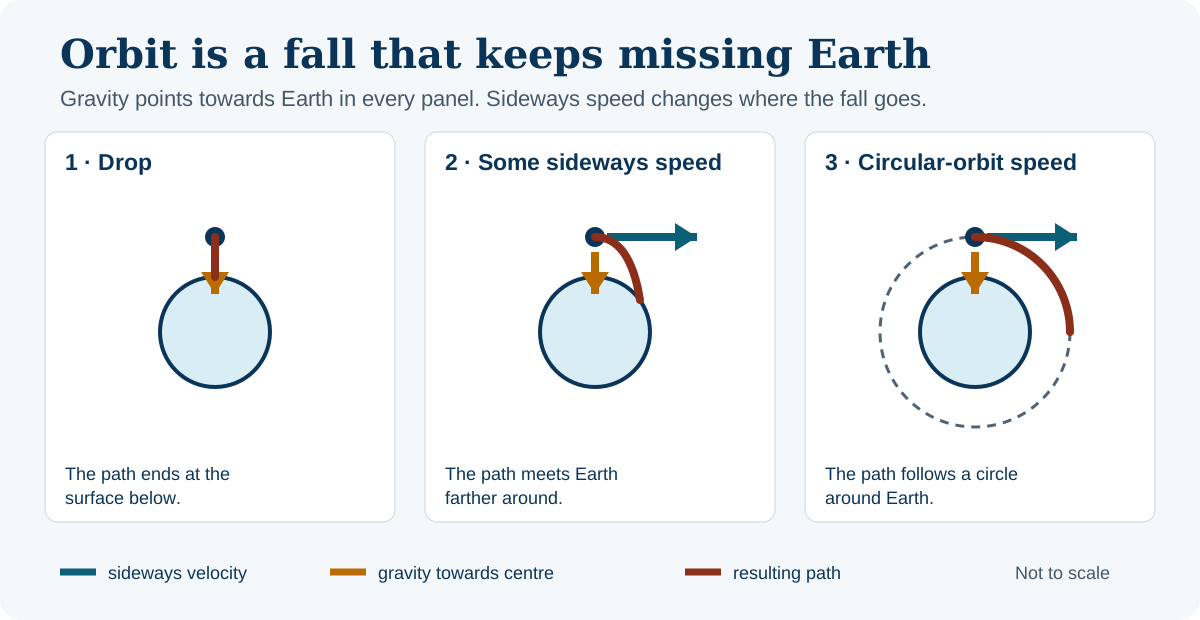
The space station has not escaped Earth’s gravity. It stays aloft because gravity bends a fast sideways journey into a continuous fall around the planet.
History
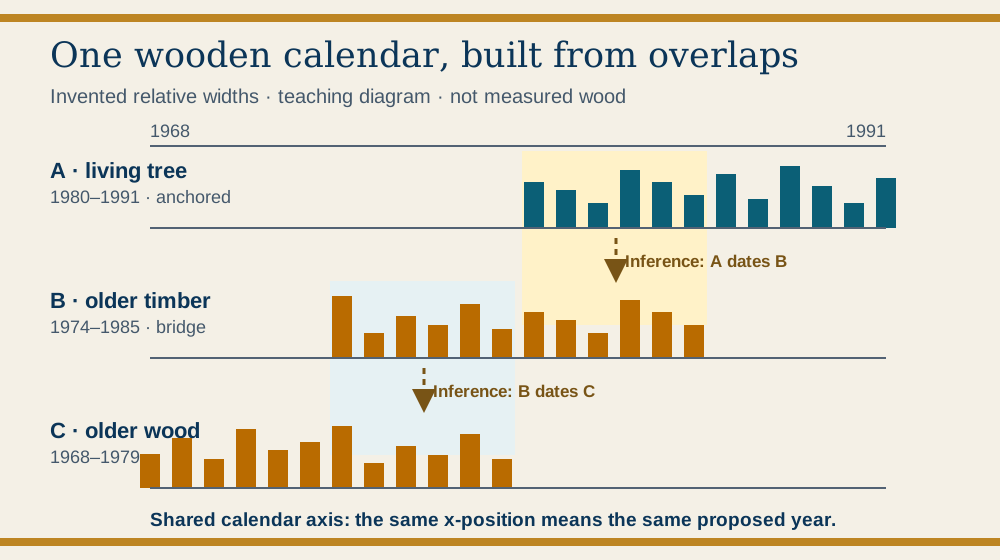
Matching growth patterns across living trees, old timbers and buried wood lets researchers build a calendar longer than any single tree’s life.
Earth
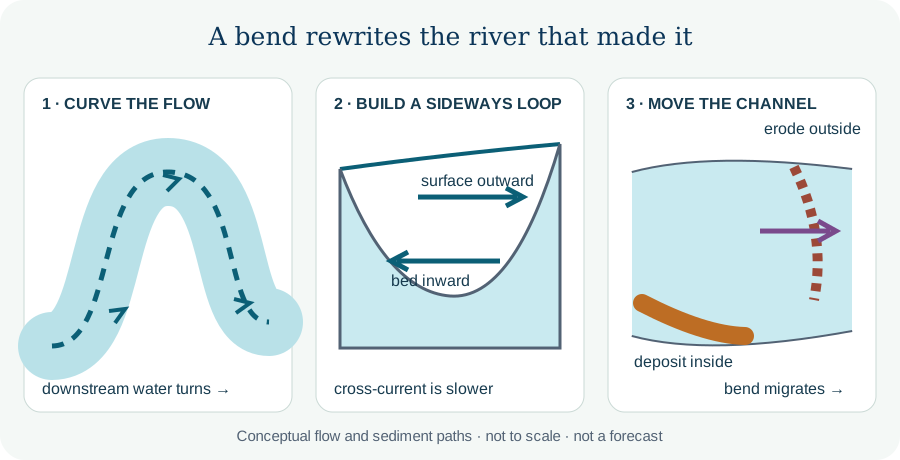
A river bend is not merely a curve in the bank. The curve reorganises pressure, flow and sediment, then those changes move the curve itself.
Technology
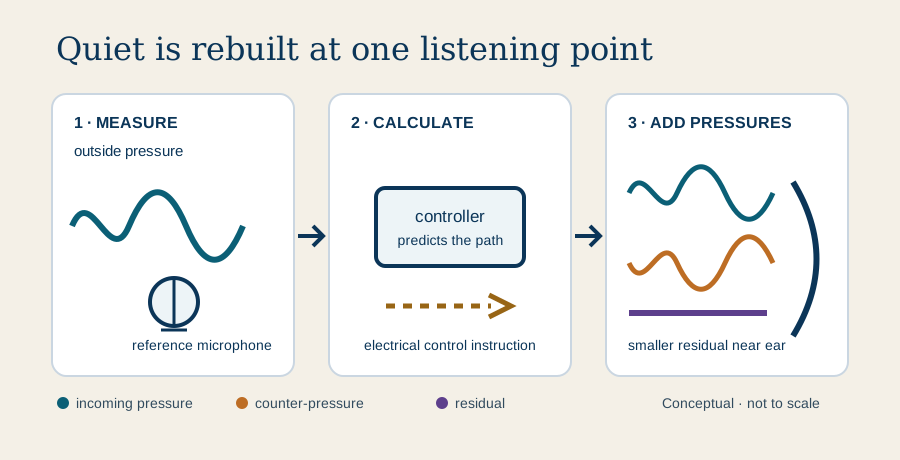
Noise cancellation does not remove sound from the room. It adds a carefully timed counter-pressure near your ear, with performance that depends on the sound and the headphone design.
Nature
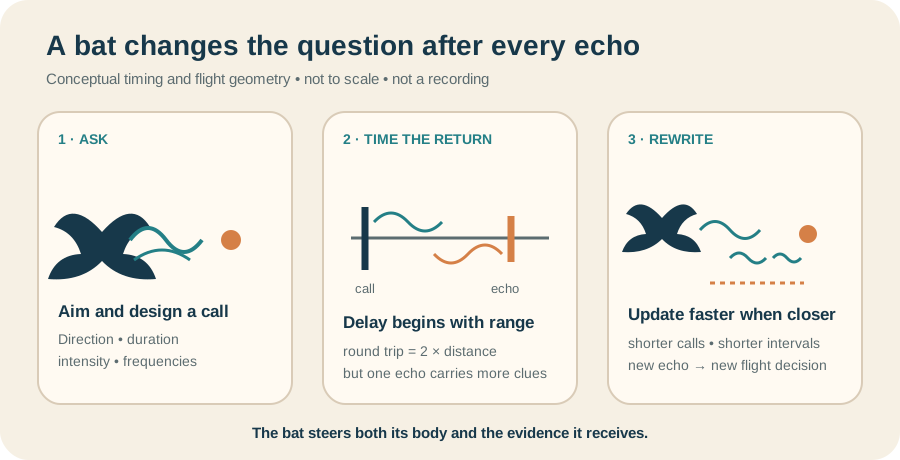
A bat does not merely listen for echoes. It changes the timing, shape and aim of each call according to what the previous echo made worth asking next.
Mind & Behaviour
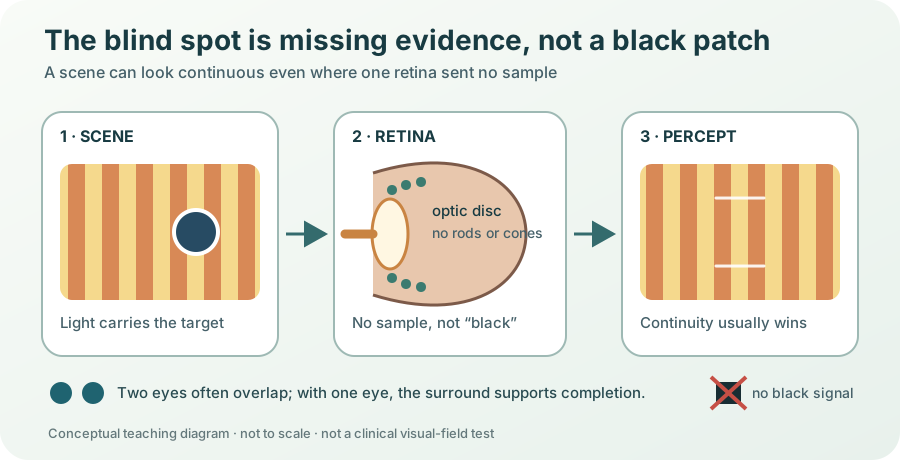
Every eye sends the brain an image with a piece missing. The missing piece does not look black because black would itself be information.
Medicine & the Body
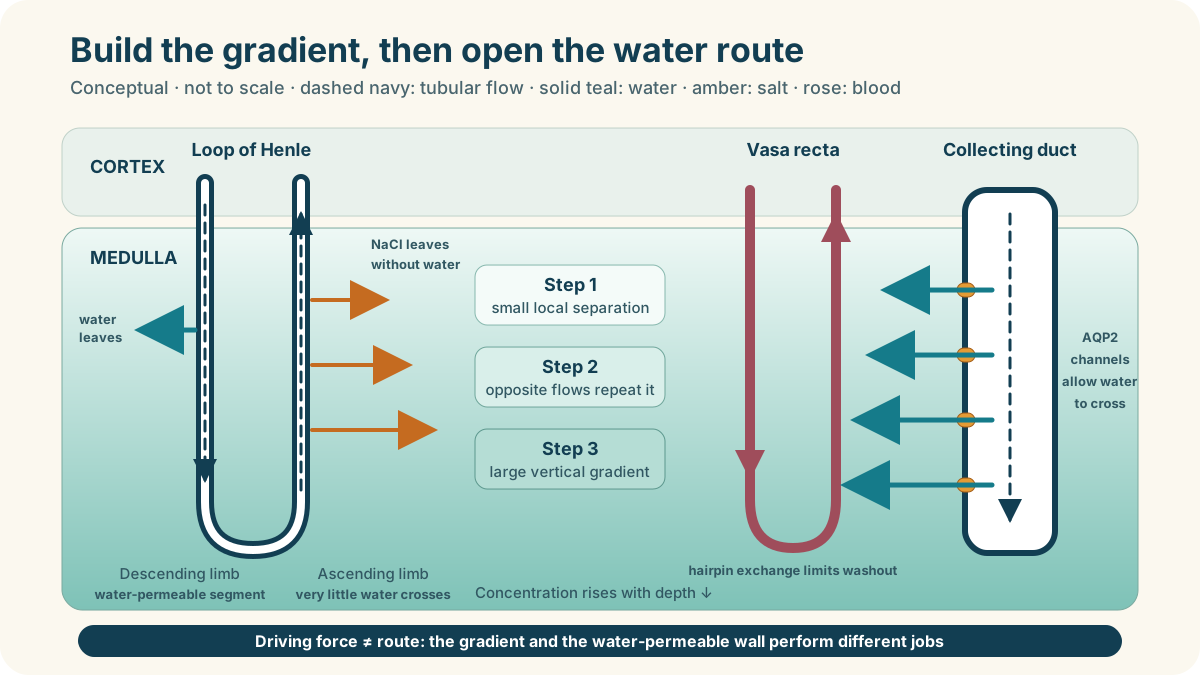
The kidney does not simply squeeze water out of urine. It first writes a chemical gradient into its tissue, preserves that gradient, and opens microscopic doors only when water should follow.
Everyday Science
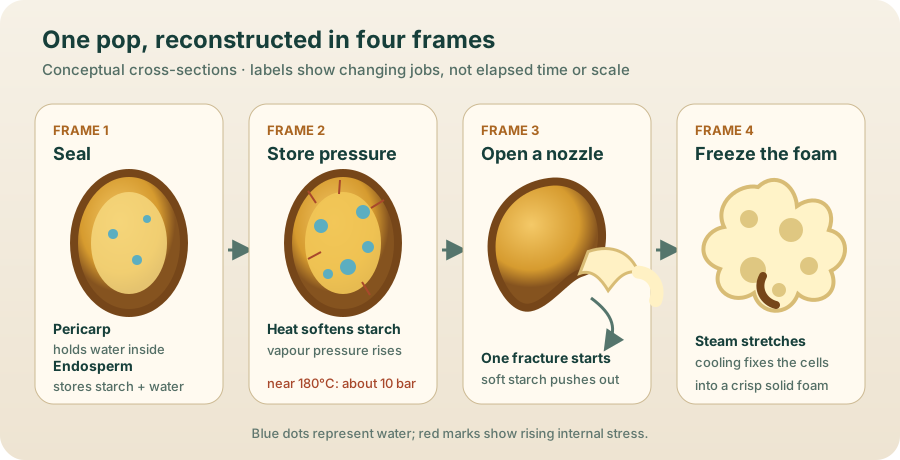
One kernel performs four jobs in a fraction of a second: pressure vessel, breaking shell, steam engine and mould for a new edible foam.
Space
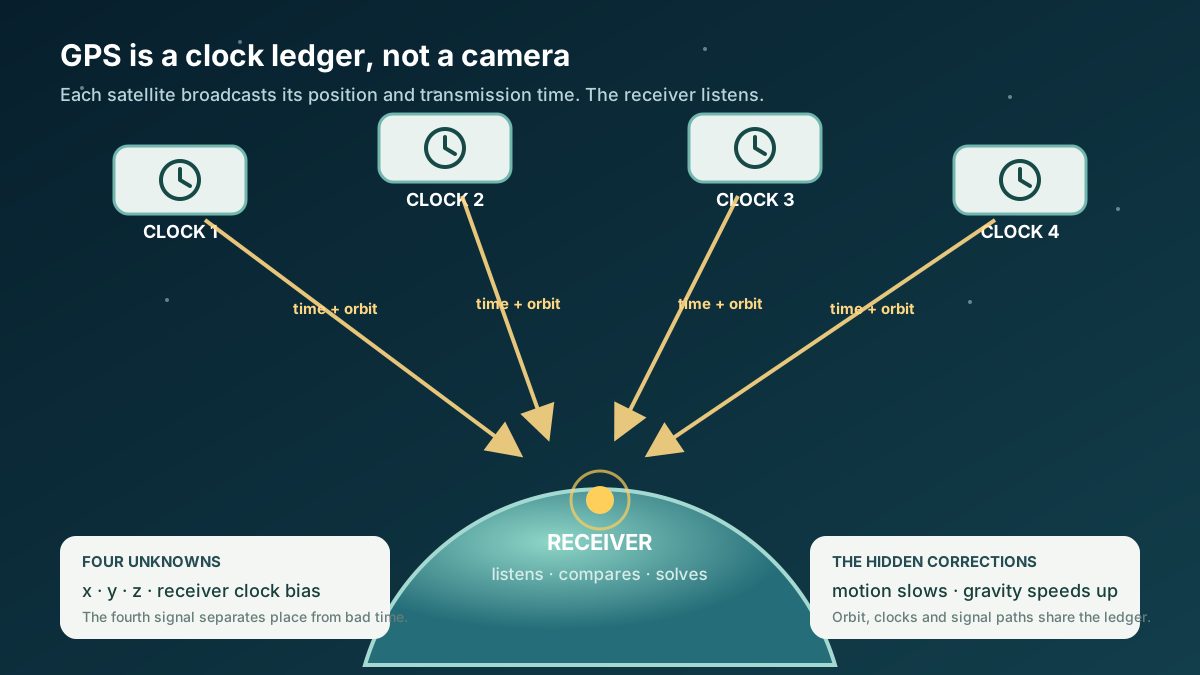
A GPS satellite does not watch your phone. It broadcasts a time, a position and a problem that your least trustworthy clock helps solve.
History
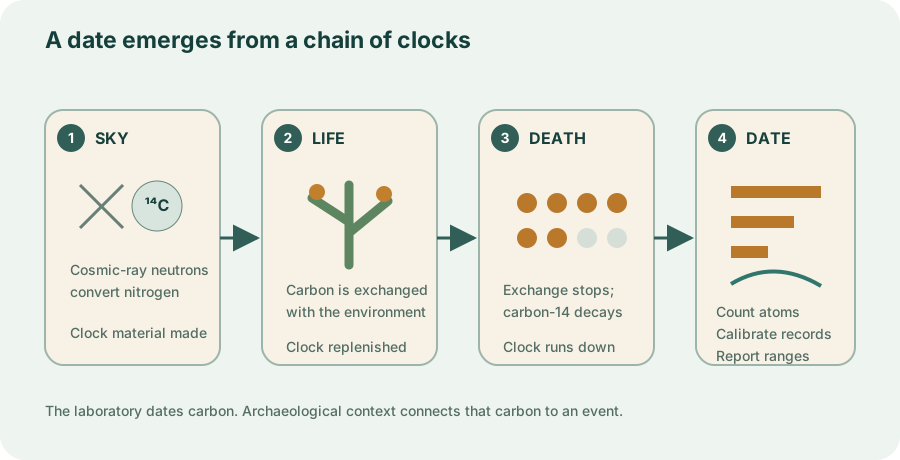
Radiocarbon dating does not read a date stamped inside an object. It builds a probability from cosmic rays, living carbon, atomic counting, tree rings and archaeological context.
Nature
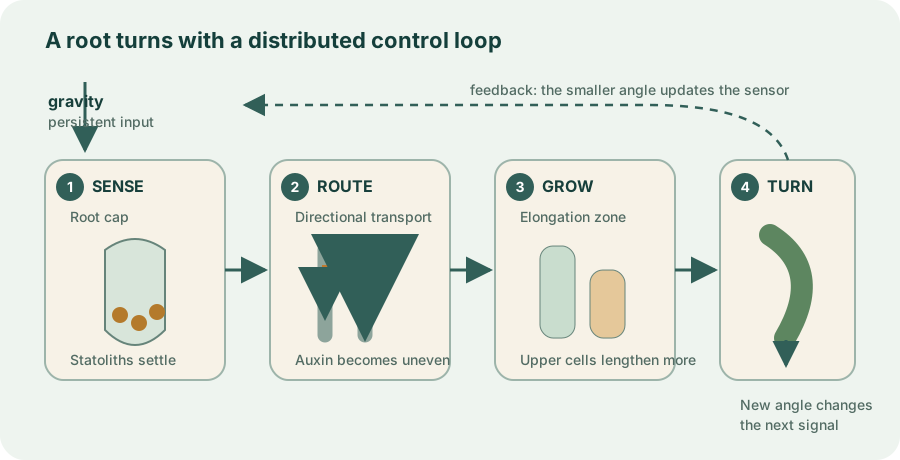
A root does not carry a compass. It divides the problem: cells in the tip detect a change, a moving hormone signal reports the error, and cells farther back perform the turn.
Engineering
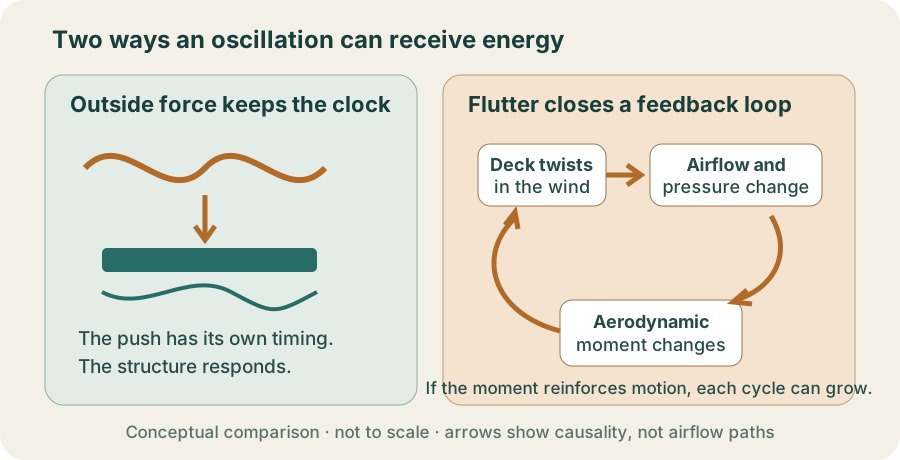
The famous film looks like a story about wind pushing a bridge. The deeper lesson is stranger: motion changed the air, and the air fed energy back into the motion.
Climate
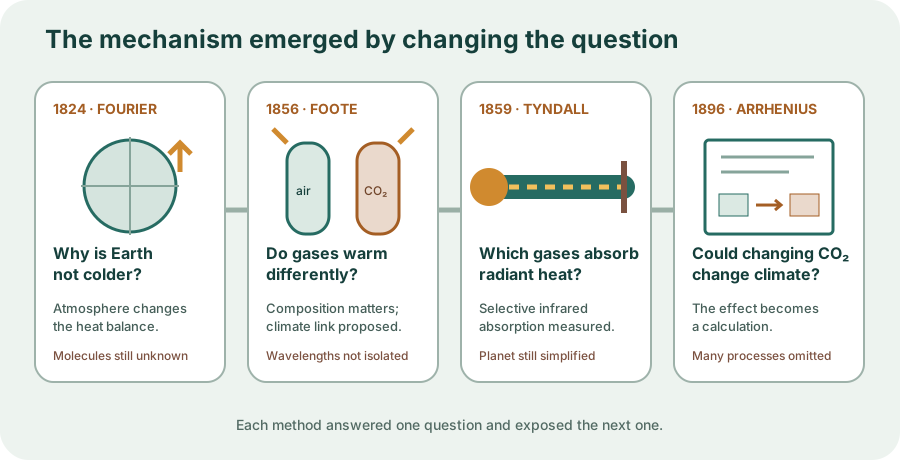
No one saw the whole mechanism at once. A planetary puzzle became a cylinder experiment, then a measurement of invisible radiation, then a calculation about climate.
Mind & Behaviour
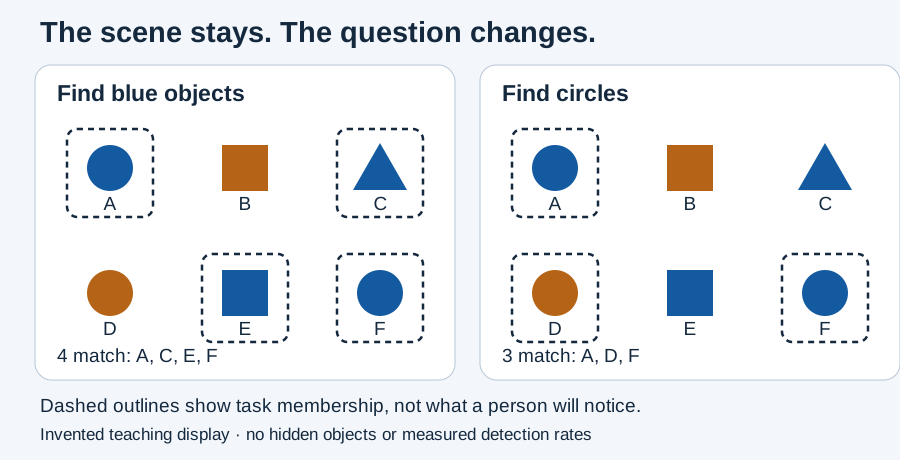
A gorilla in a medical image puts three explanations on trial: poor visibility, lack of skill, and the gap between looking and noticing.
Weather
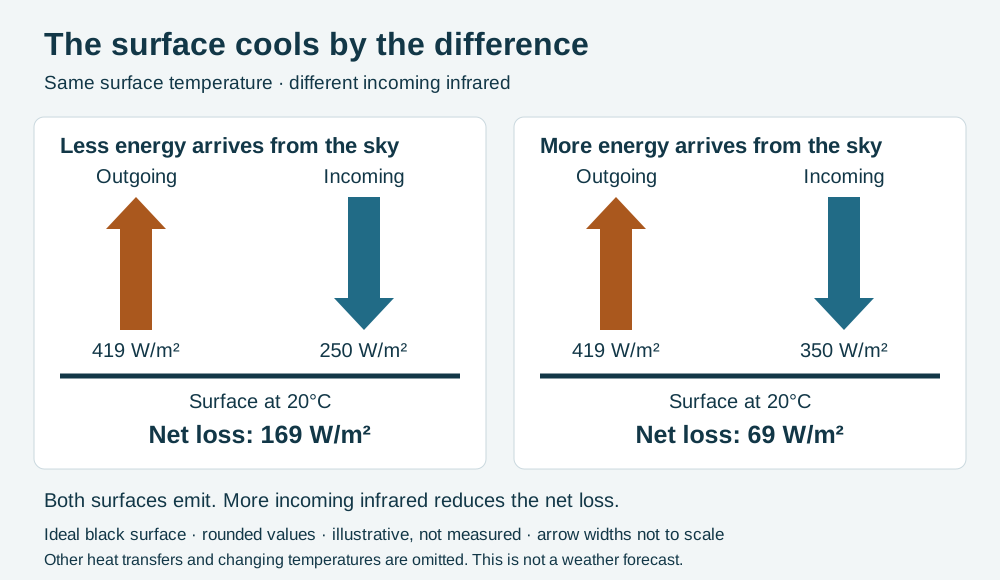
The ground does not wait until sunset to lose heat. Darkness changes the balance. Dry air, clouds, wind and stored warmth decide what happens next.
Medicine & the Body
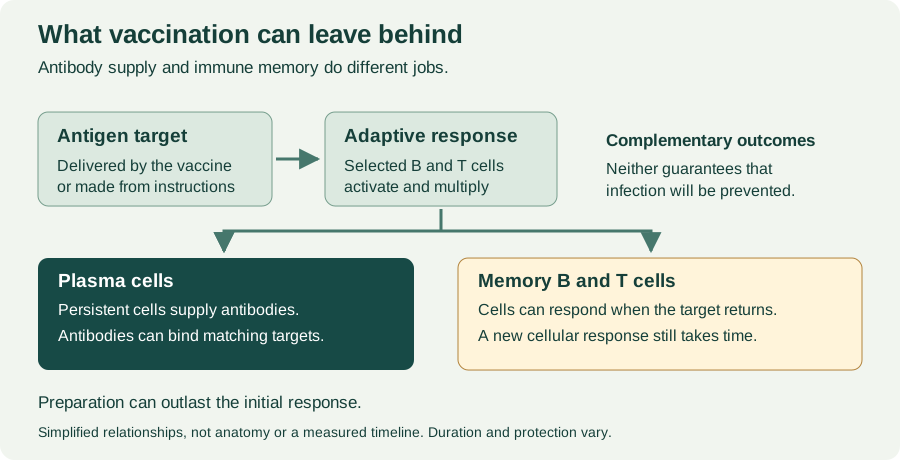
A vaccine can leave the body better prepared long after its ingredients have gone. The lasting change is a population of cells and the responses they can make.
Oceans
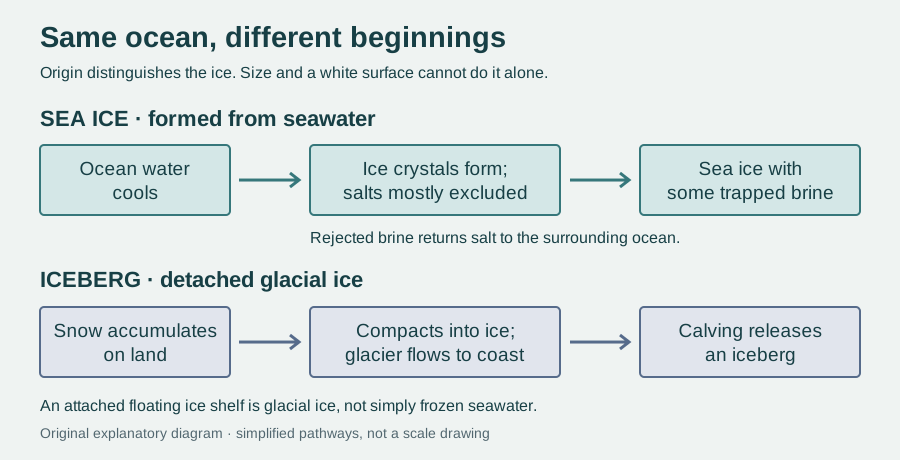
Both float in the ocean, but one freezes there while the other arrives from land. Their different beginnings change their salt content, behaviour and place in the climate system.
Everyday Science
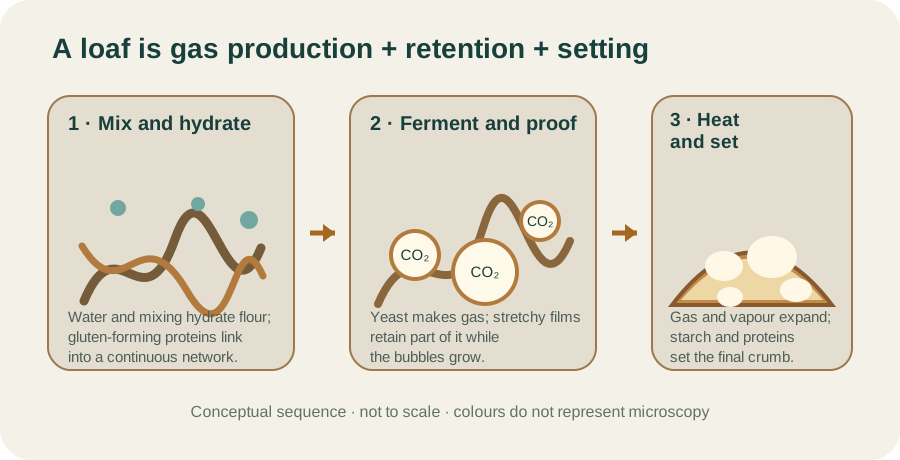
A living fungus makes the gas, a protein-and-starch structure holds it, and heat turns a temporary foam into a loaf that keeps its shape.
Space
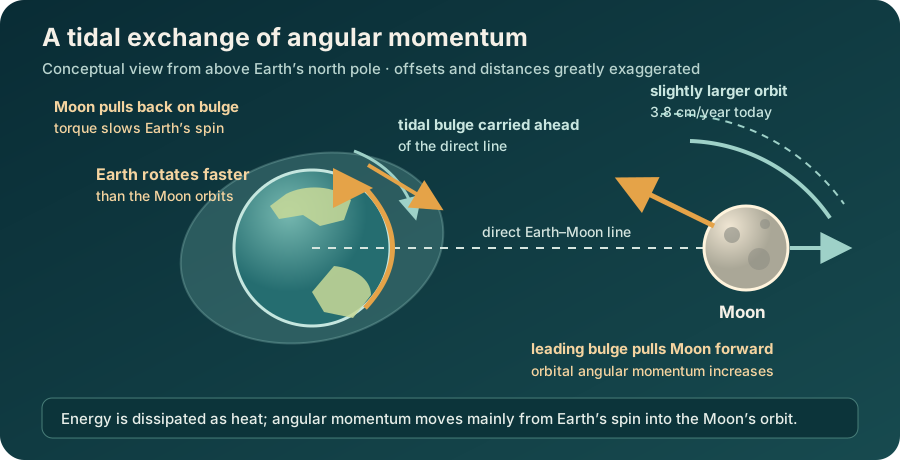
The Moon is not simply escaping. Ocean tides take a little spin from Earth and pass angular momentum into the lunar orbit, while laser echoes reveal the change centimetre by centimetre.
History
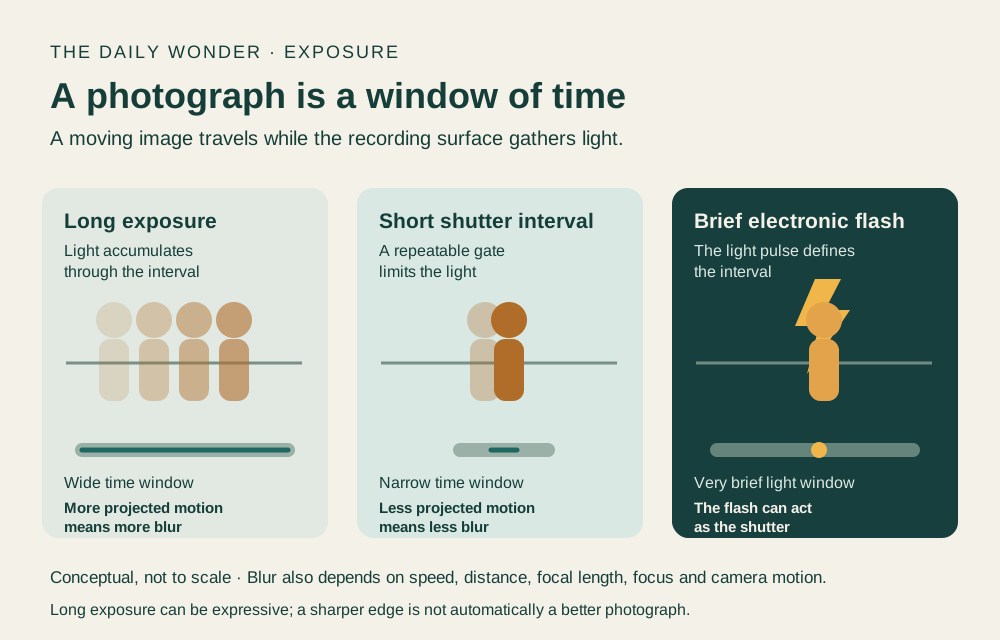
Early cameras accumulated minutes of change. Faster chemistry, precise shutters and brilliant flashes turned an exposure into a measured slice of time.
Oceans
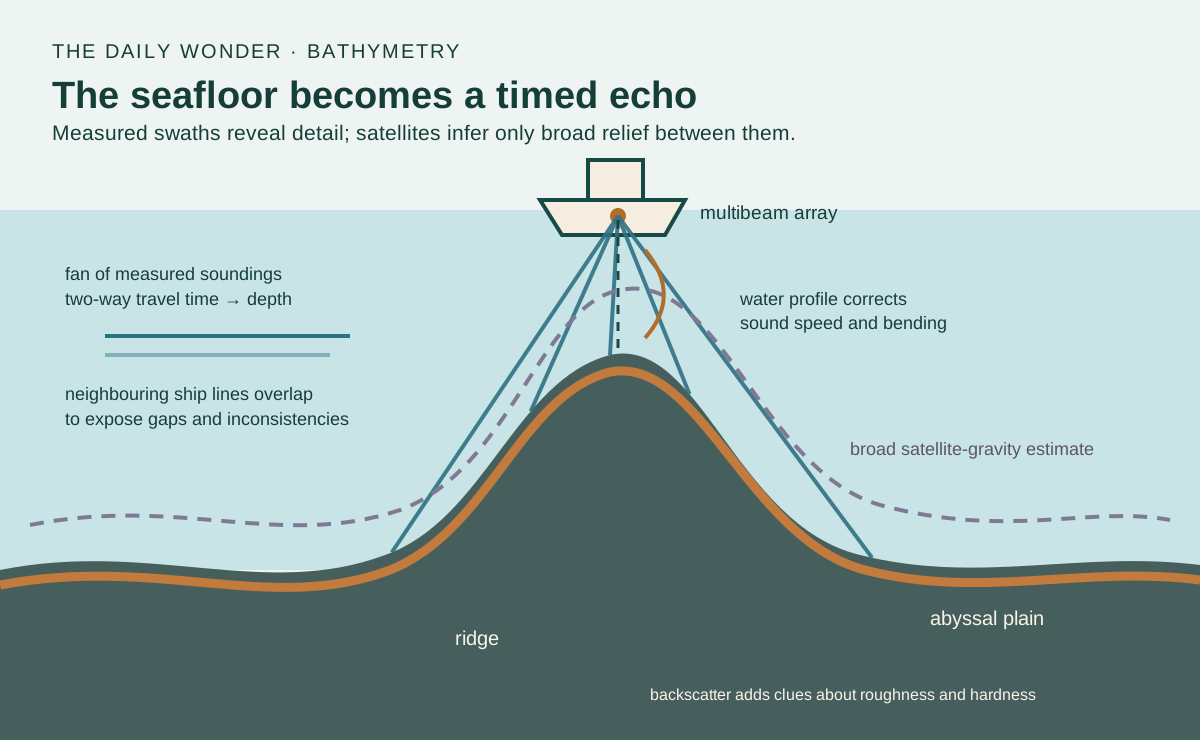
A depth map begins with an echo, but making it trustworthy requires clocks, water profiles, ship-motion corrections and an honest account of what remains unknown.
Technology
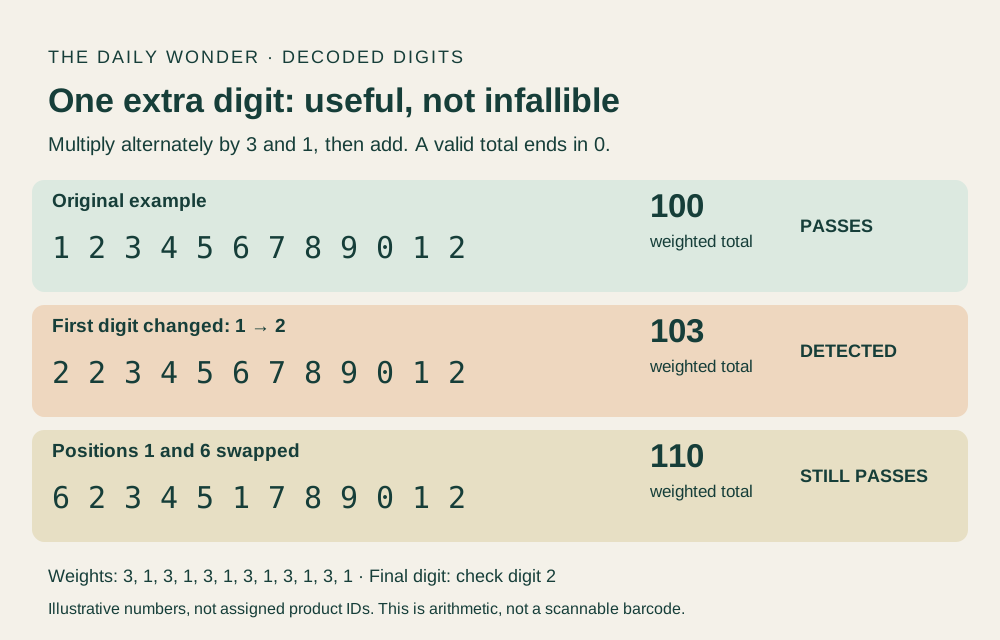
A supermarket scanner joins optics, arithmetic and a shared naming system. Its smallest safeguard is one extra digit, and that digit has revealing limits.
Earth
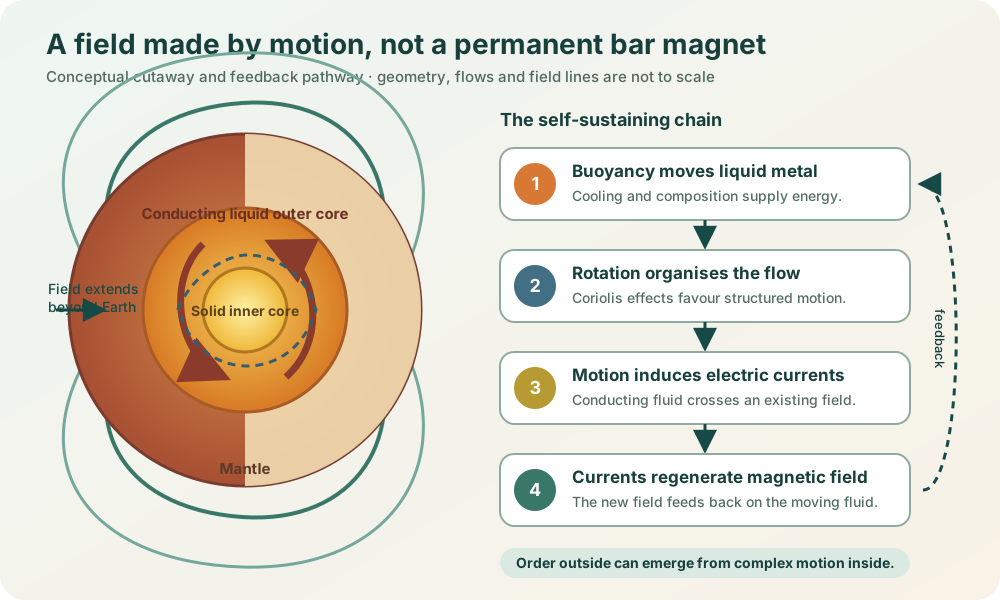
A compass appears calm, but its direction is maintained by turbulent, electrically conducting metal thousands of kilometres below. The result is always changing.
Medicine & the Body
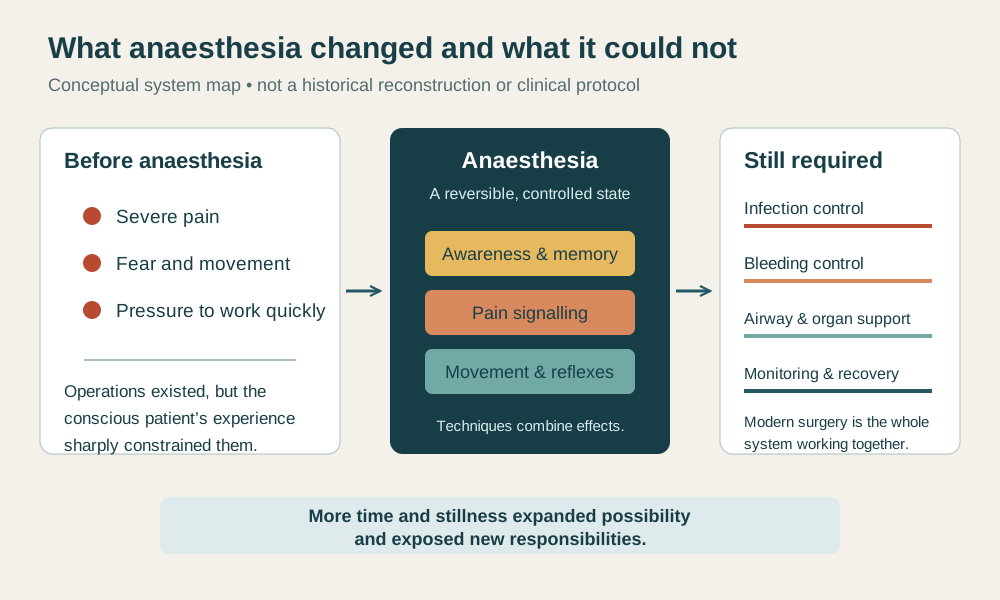
Ether did more than remove pain. It separated the operation from the patient’s immediate struggle and created a new problem: how to control a reversible, risky physiological state.
Physics
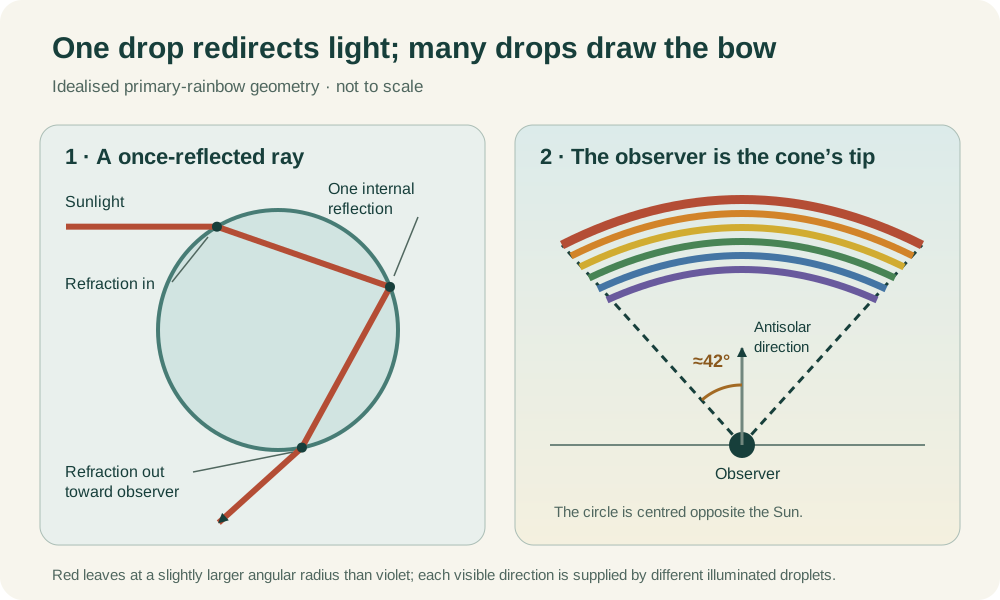
A rainbow is not painted onto the rain. It is a moving agreement between sunlight, spherical drops and one observer standing at the cone’s tip.
History
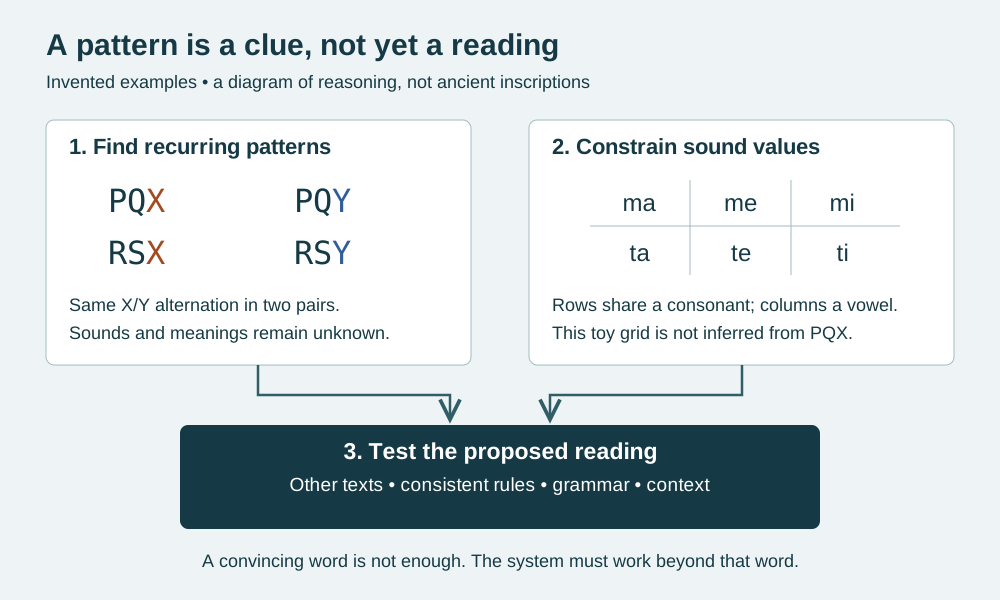
Before anyone could read the words, Alice Kober found relationships between signs. Turning those relationships into Greek required careful records, risky guesses and tests that could fail.
Oceans
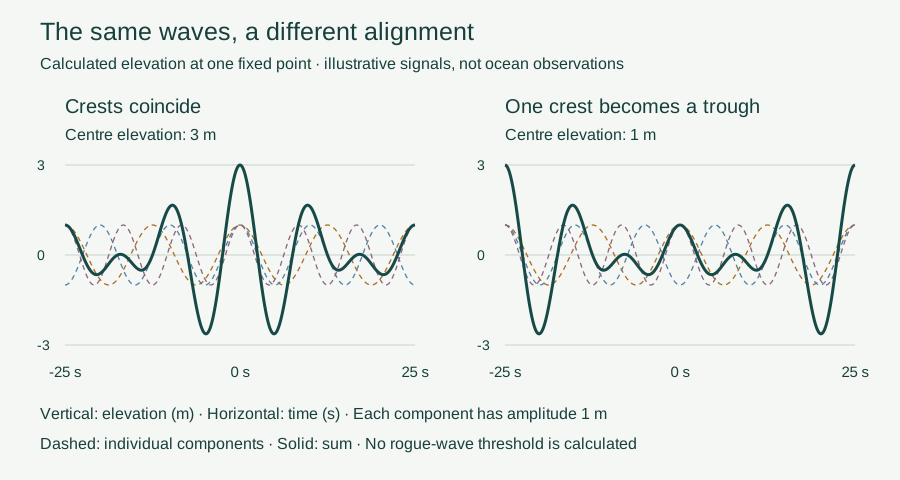
A North Sea measurement turned an extraordinary wave into evidence. Understanding it means looking at the surrounding sea, the timing of crests, and the limits of a forecast.
Everyday Science
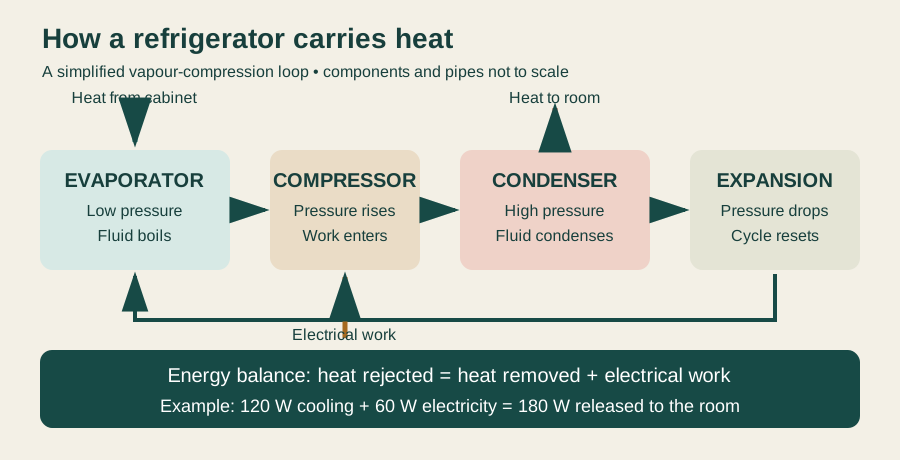
The cabinet does not manufacture cold. A circulating fluid, a pressure change and a motor carry energy from the food compartment into the room.
History
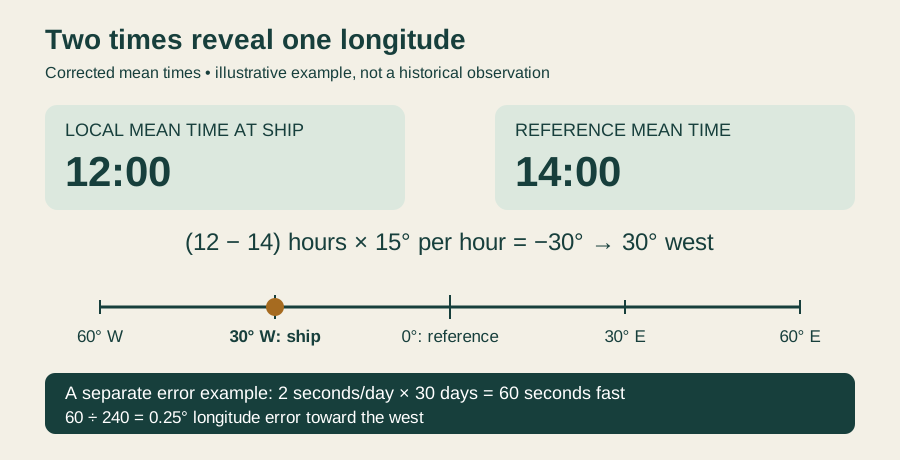
A ship needed to know the time somewhere else. Making that possible took astronomers, stubborn clockmakers, human computers and years of testing.
Mind & Behaviour
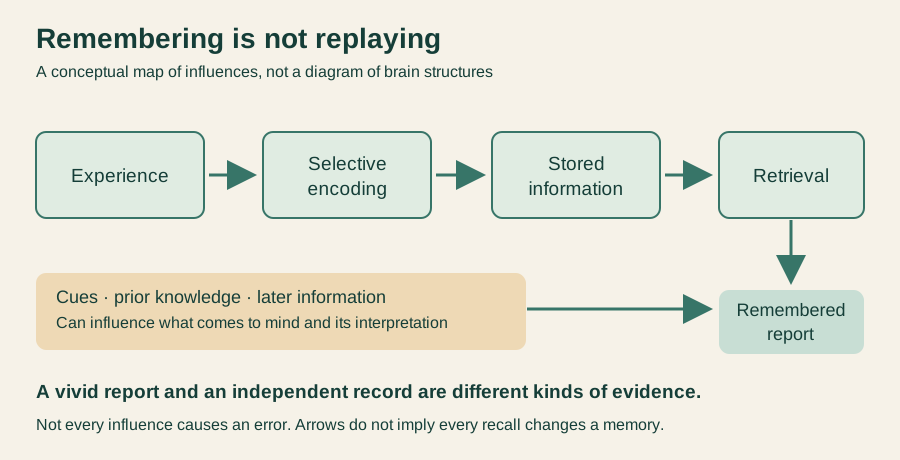
A vivid memory can feel like evidence. Experiments reveal why remembering an experience and judging its accuracy are different jobs.
Space
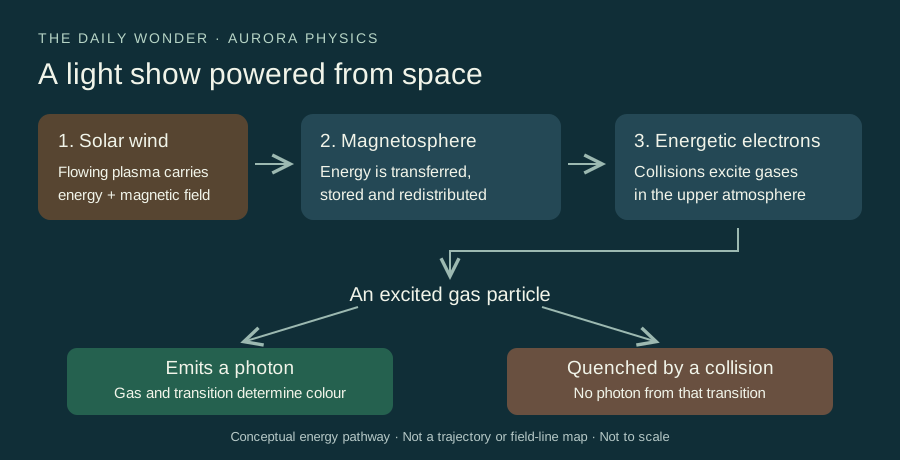
A magnetic world, energetic electrons and a competition between light and collisions turn invisible space weather into curtains of colour.
Medicine & the Body
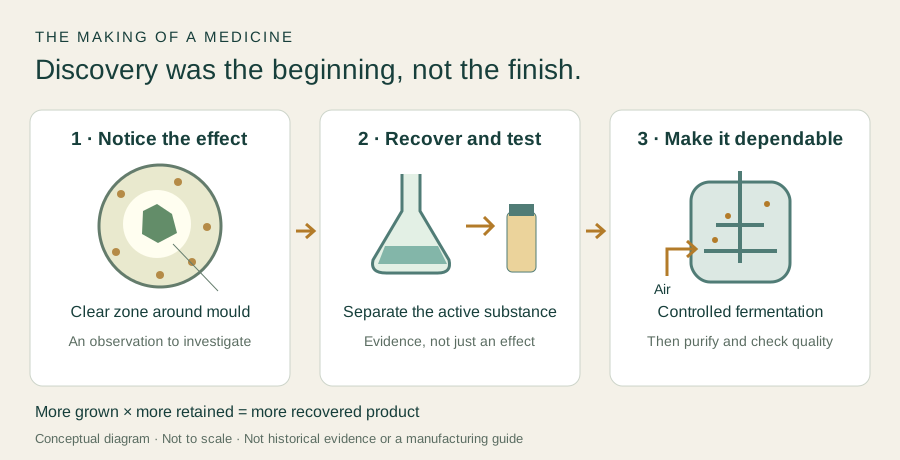
A mouldy dish revealed a possibility. Turning it into a dependable treatment required a second story: patients, painstaking chemistry and the engineering of living factories.
Oceans
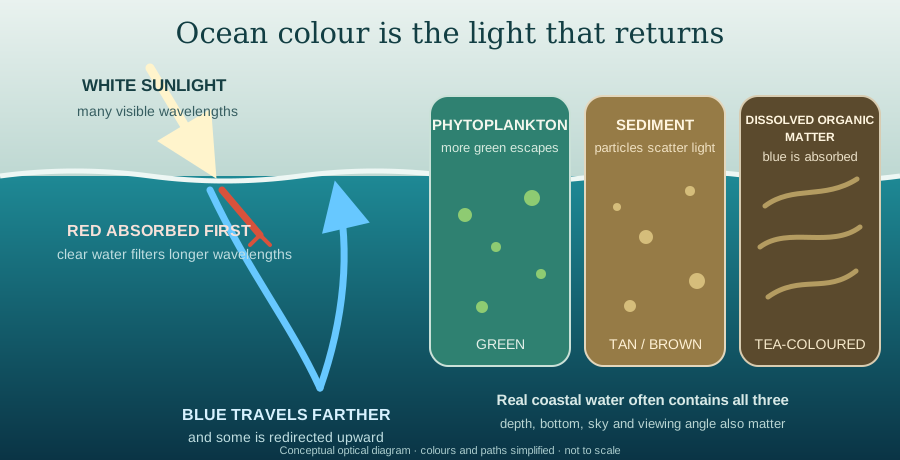
Ocean colour is a record of which wavelengths entered the water, which were absorbed, and which escaped again after meeting water molecules, plankton, sediment and dissolved material.
Weather
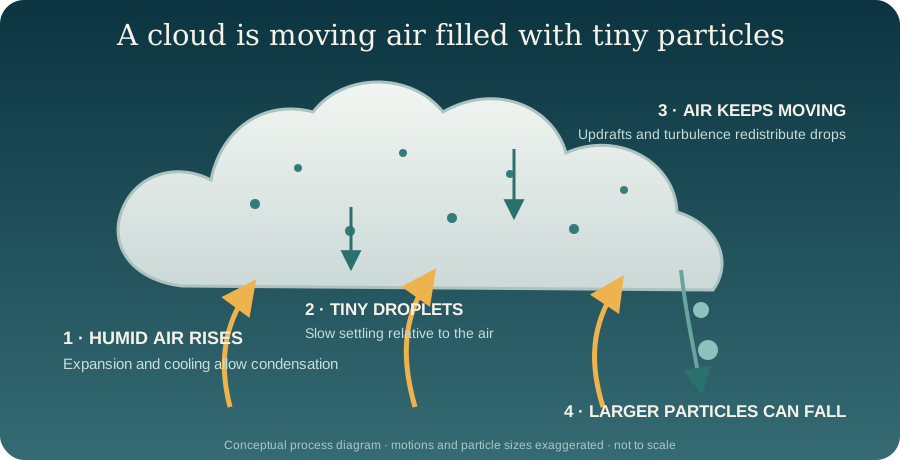
Gravity never switches off inside a cloud. Its droplets remain overhead because they are extraordinarily small, fall slowly through air and live inside a constantly moving system.
Space
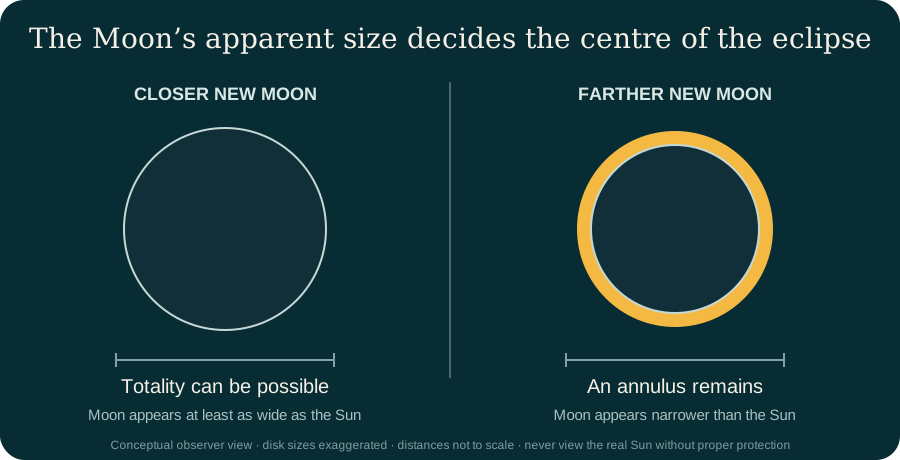
A nearly perfect alignment can still leave sunlight around the Moon. The deciding detail is not the Moon’s true size, but how large it appears from Earth.
Oceans
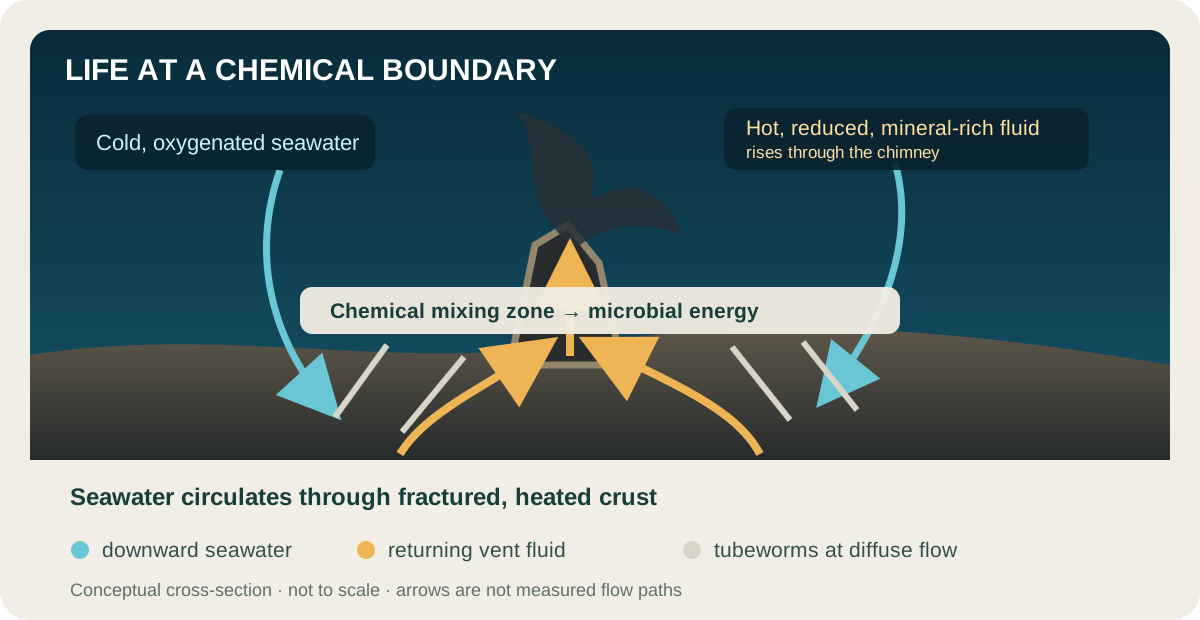
Far below sunlight, seawater circulates through hot rock and returns carrying chemical fuel. Microbes turn the resulting reactions into an ecosystem.
Weather
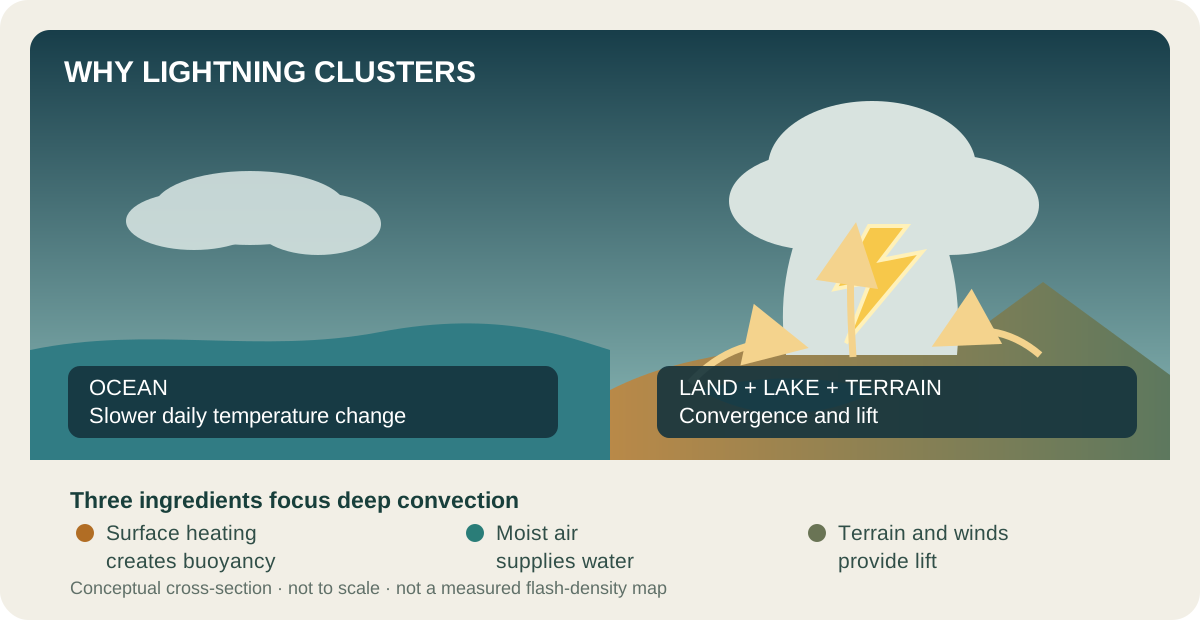
A lightning map is also a map of heat, moisture, rising air and terrain. The ingredients are widespread, but geography assembles them very unevenly.
Oceans
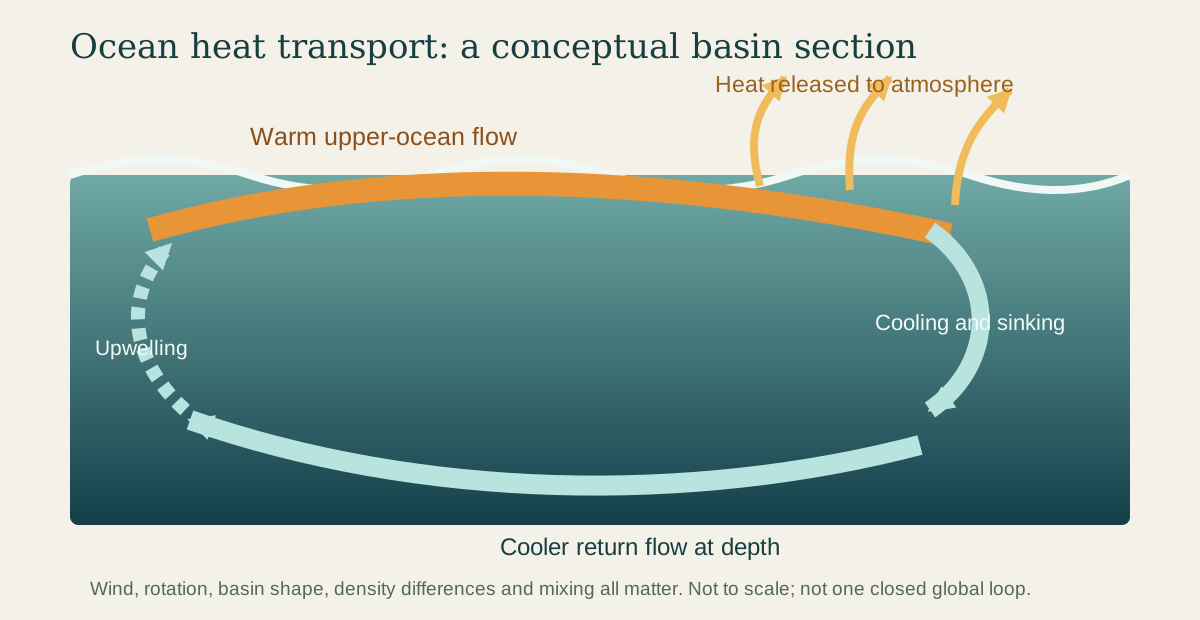
The ocean does not merely store solar energy. Winds, rotating basins and density differences carry it across latitudes and exchange it with the atmosphere.
Space
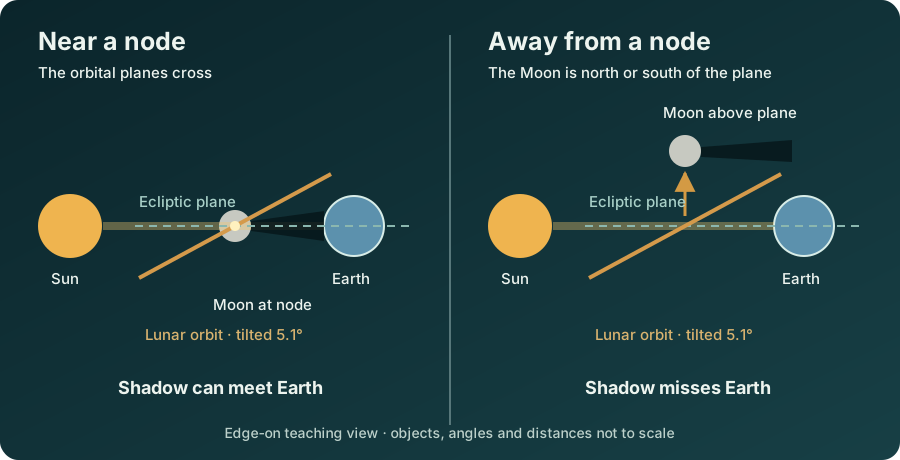
New and full moons happen with clocklike regularity. Eclipses need one more coincidence: the Moon must also be crossing the plane of Earth’s orbit.
Oceans
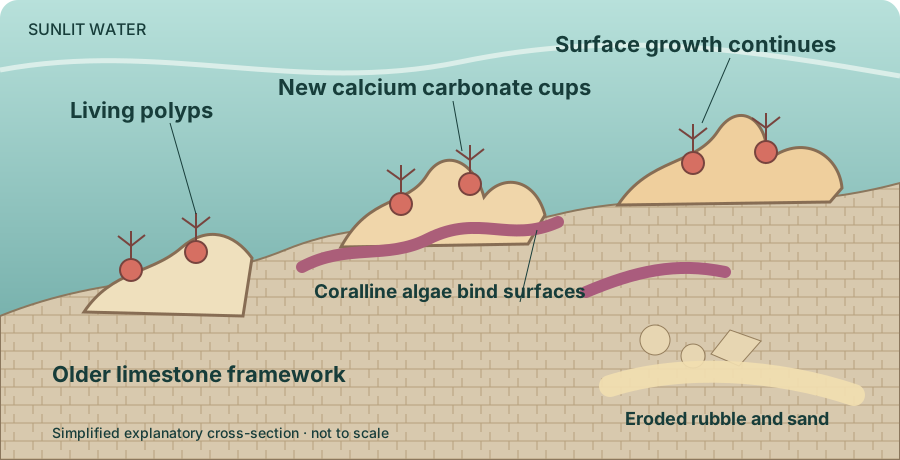
A reef is not a single organism or a pile of dead rock. It is a living construction site where growth, cementing and erosion never stop.
Weather
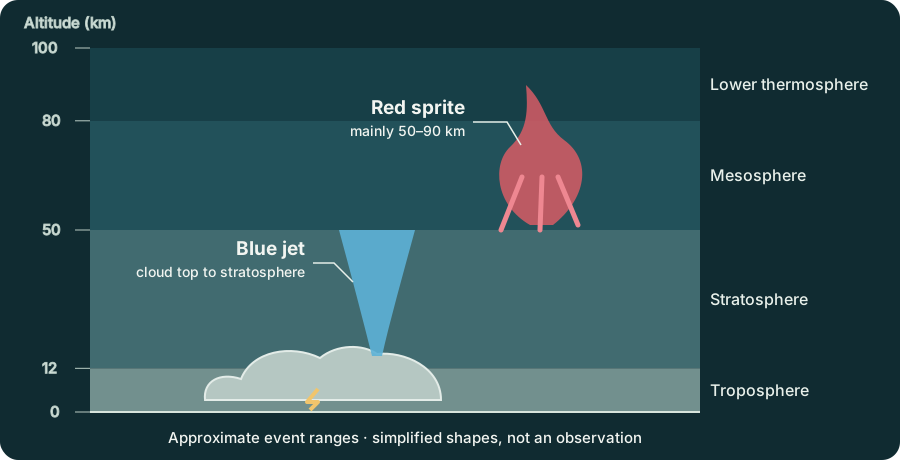
Lightning is not confined beneath a cloud. Brief red and blue discharges can reach upward through atmospheric layers most storms never touch.
Oceans
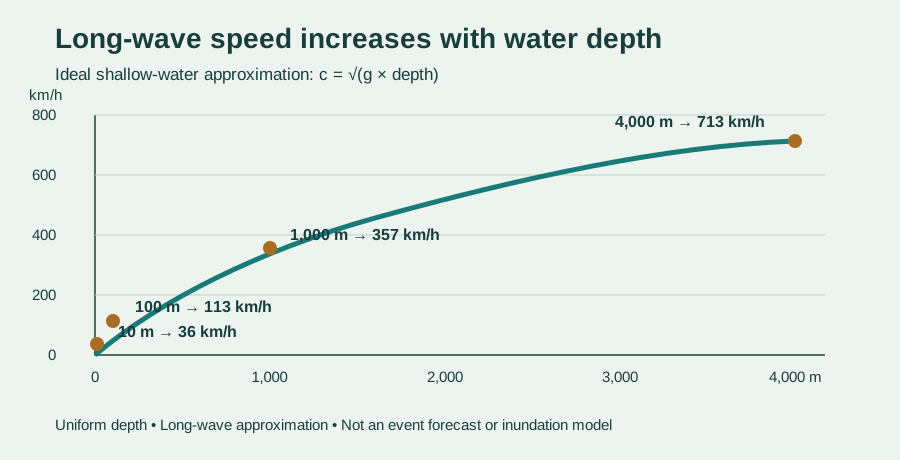
A tsunami can cross an ocean almost unnoticed, then drive water far inland. Its extraordinary behaviour begins with the amount of ocean set in motion.
Space
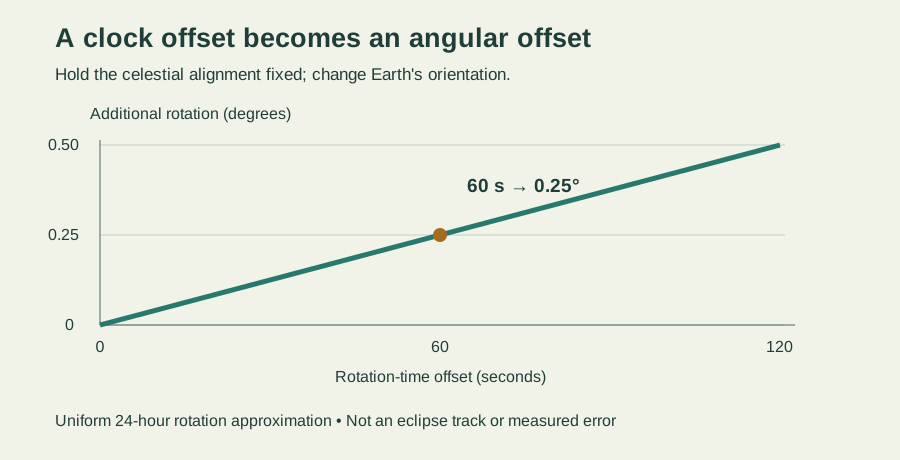
Predicting a darkened Sun is one problem. Saying exactly where its shadow will fall requires a clock, a moving planet and even the mountains on the Moon.
Oceans
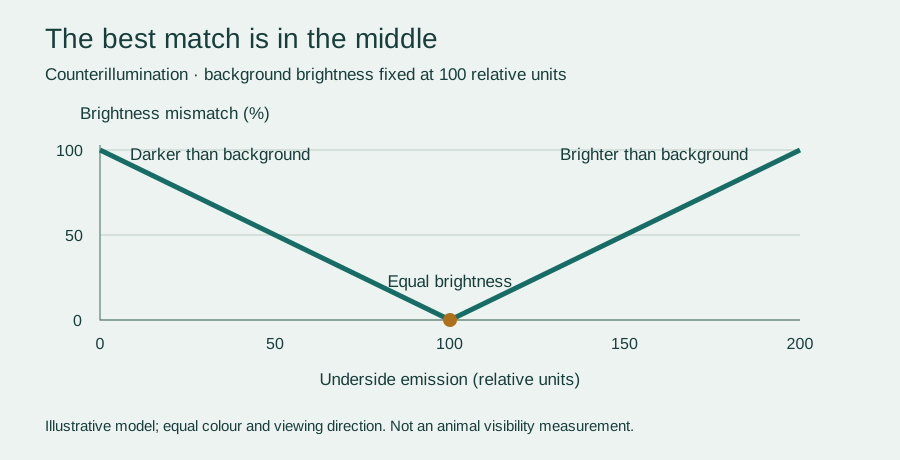
A blue flash in a breaking wave is a biological event. Beneath the surface, living light can attract a meal, announce danger or conceal its maker.
Weather
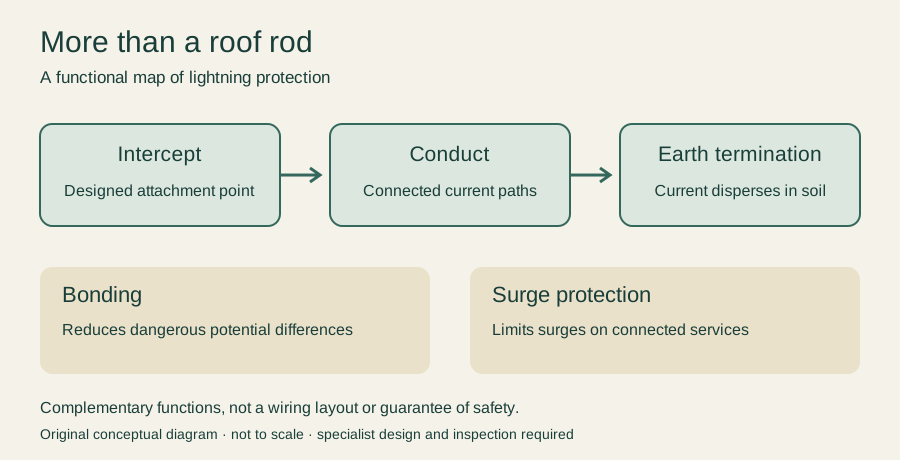
The small metal point on a roof is only the visible beginning of a much larger idea: give a dangerous discharge a controlled route.
Oceans
A fragile-looking animal can live where an air-filled chamber needs a strong hull. The difference begins with what is inside.
Space
Earth blocks the Sun, yet a little sunlight finds a curved, colourful route through our atmosphere.
Oceans
The Moon sets a rhythm, the Sun changes its strength, and every coastline gives the tide a different response.
Space
A small world can conceal a star when distance supplies the right perspective. The brief darkness can reveal what daylight hides.
Weather
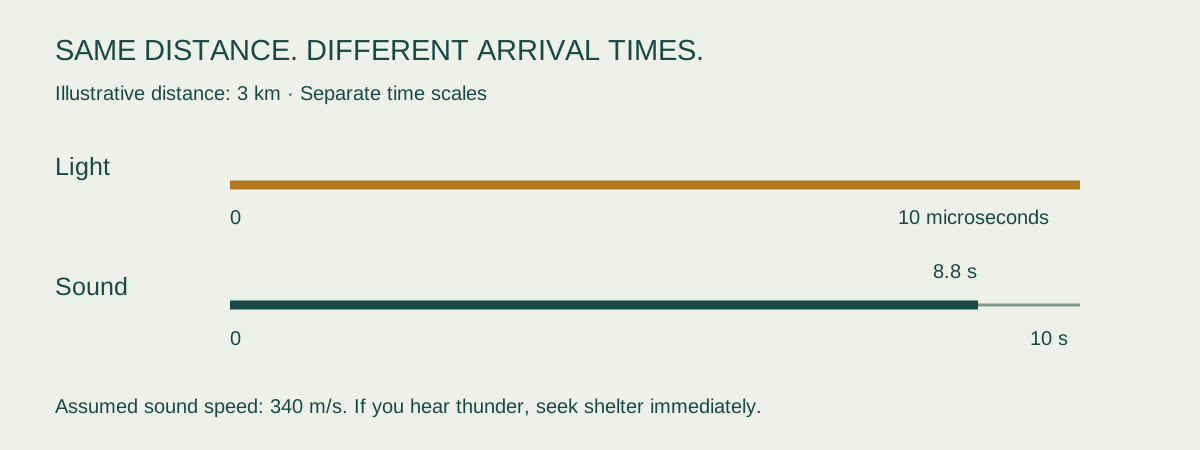
The pause is a travel time. The rolling sound is a clue to the shape of the flash and the atmosphere carrying its voice.
Weather
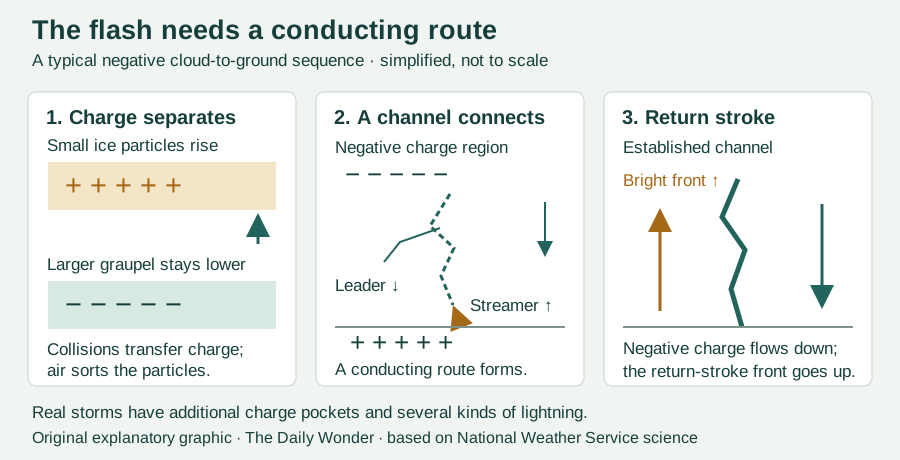
The bolt lasts an instant. Its preparation takes a cloud full of moving ice, separated charges and air pushed beyond its insulating limits.
Oceans
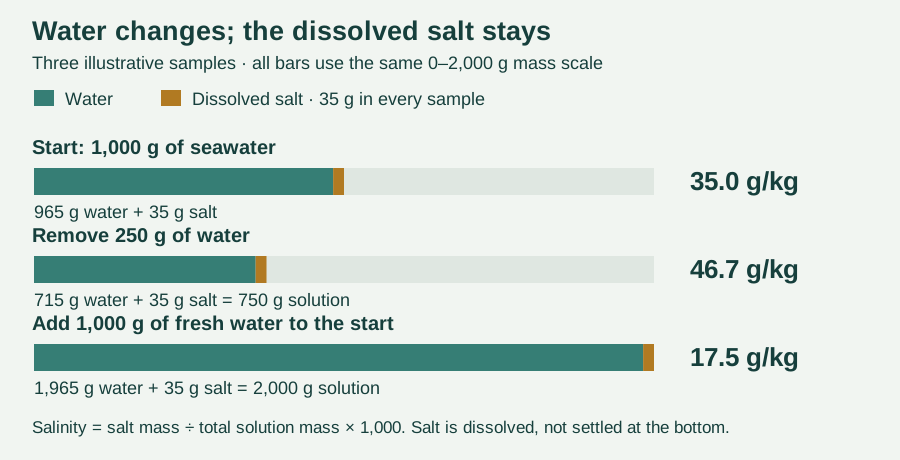
The sea keeps a chemical record of rain on rocks, water returning to the sky and reactions beneath the ocean floor.
Technology
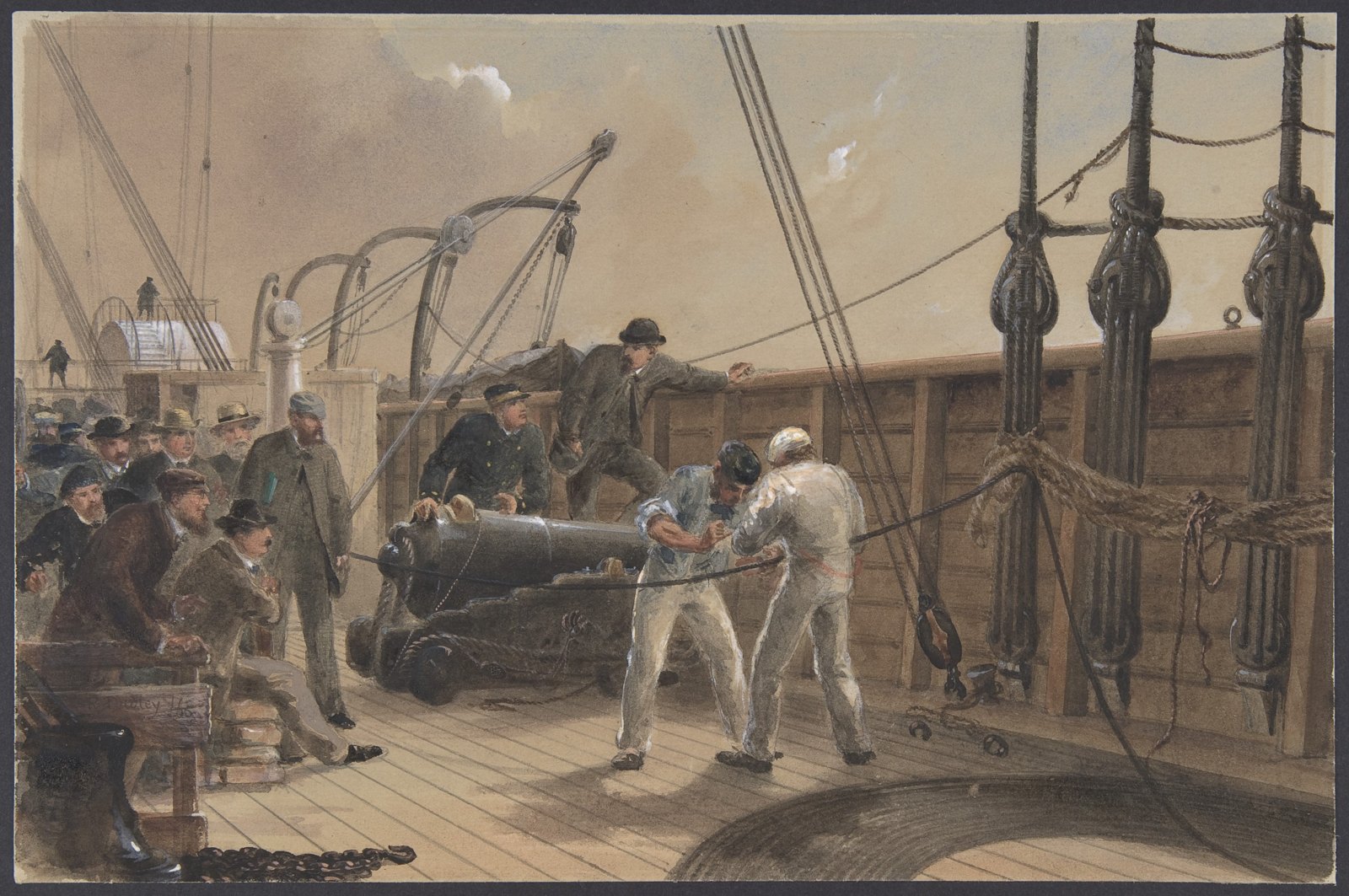
A message crosses the world in a moment. Its journey began with a ship, a copper wire, and an ocean of uncertainty.
Deeper reading
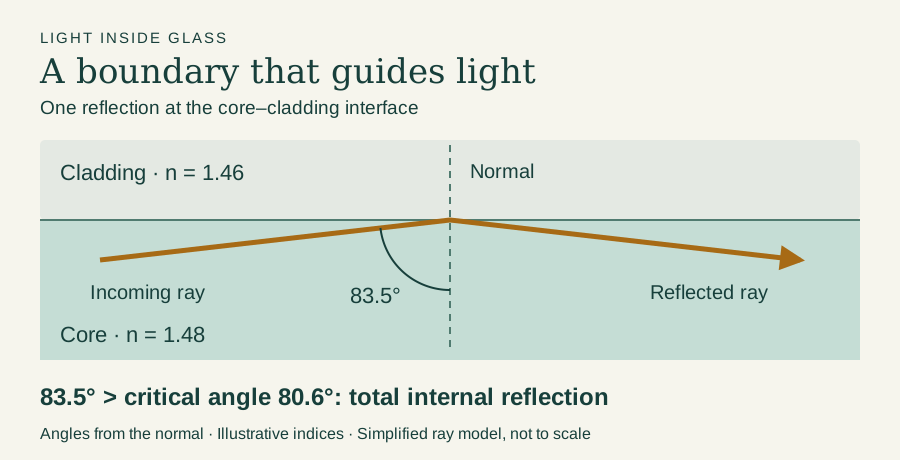
A closer look at the boundary that turns a strand of glass into a path for information.
Deeper reading
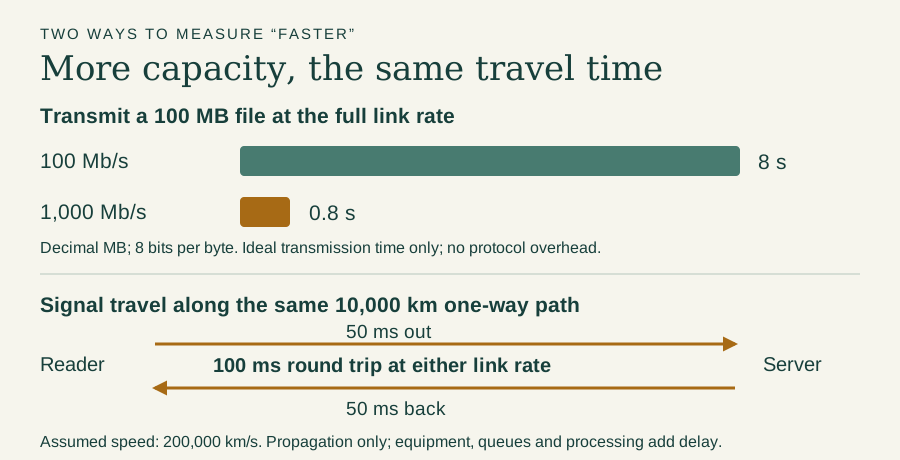
More information per second and a shorter wait are two different improvements.
KEEP THE CONVERSATION GOING
Have a question, a correction, or an idea for a story? I’d love to hear from you.
avdheshsaini@zohomail.in
The button opens your email app. You can also copy the address.