Space
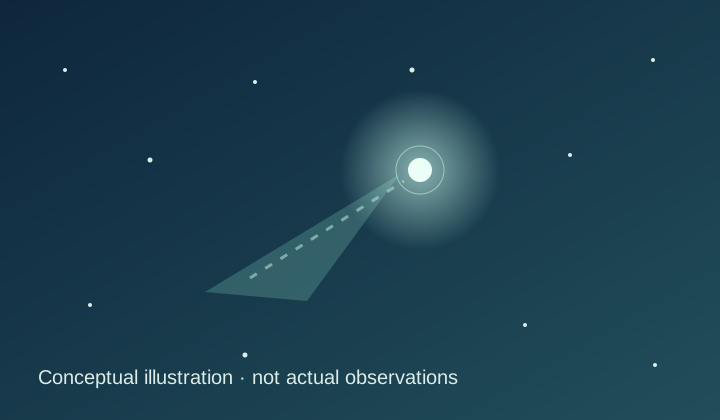
Euclid spots a new comet
A galaxy-mapping telescope found a moving visitor close to home.
THE JOURNAL
Eclipses, the Moon and space weather, explained through geometry, motion and evidence.
LEARNING LAB · INTERACTIVE
Explore all 118 elements, rotate a 3D atom, look inside its nucleus and discover protons, neutrons and quarks. Start with the familiar table, then look closer one level at a time.
Explore the periodic tableFree to explore. Includes guided discoveries, comparison and a 2D alternative.
14 stories
Space
A galaxy-mapping telescope found a moving visitor close to home.
Space
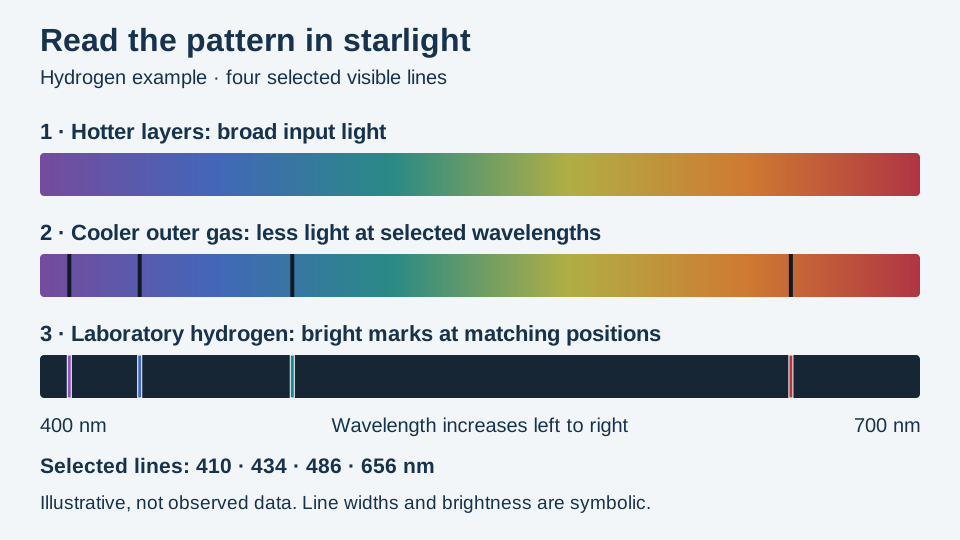
The dark lines in a star’s rainbow identify atoms. Working out how much of each element is there requires another clue: what heat has done to their electrons.
Space
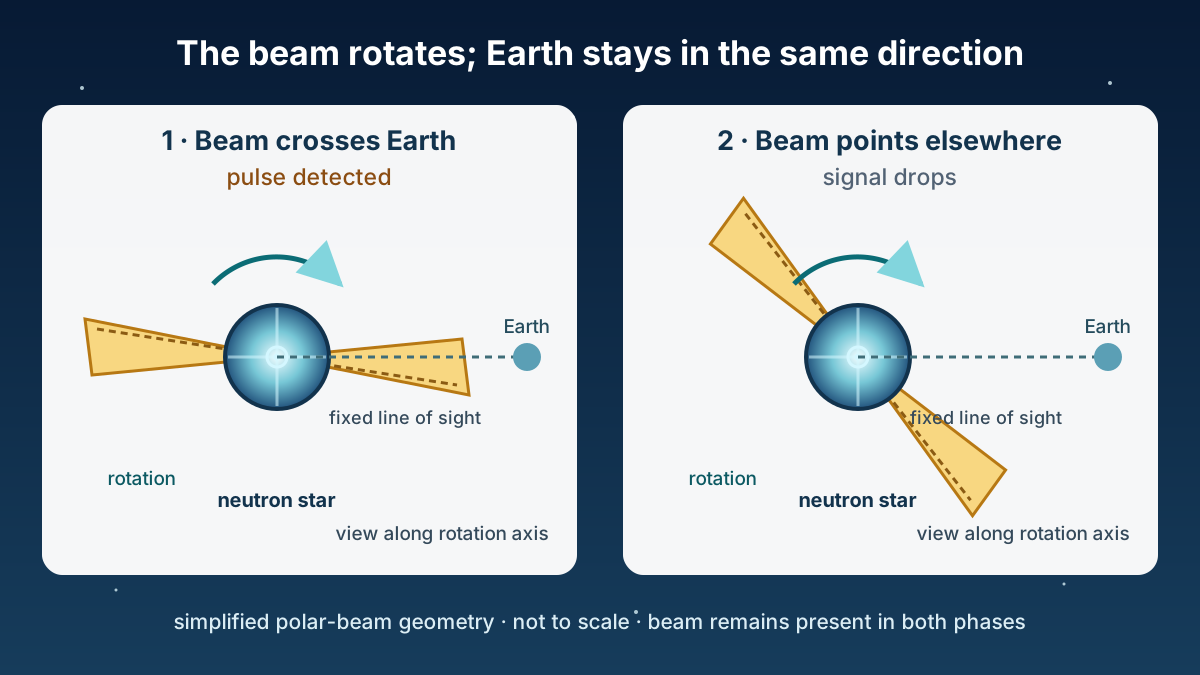
A pulsar does not simply switch on and off. Its rotation sweeps a directional pattern of radiation past Earth, turning geometry into a remarkably regular pulse.
Space & Physics
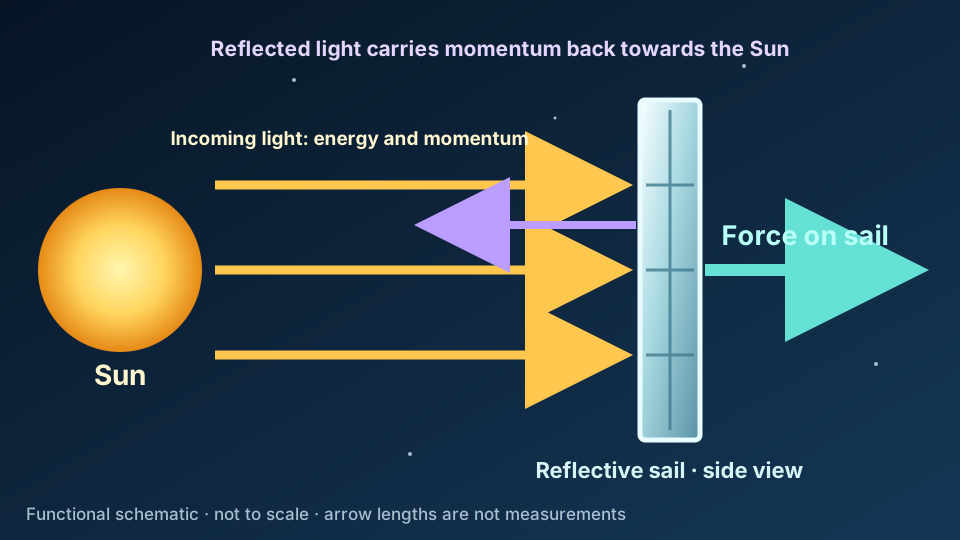
Light carries momentum as well as energy. A large, lightweight mirror can turn that invisible delivery into a small push that keeps changing a spacecraft's motion.
Space & Physics
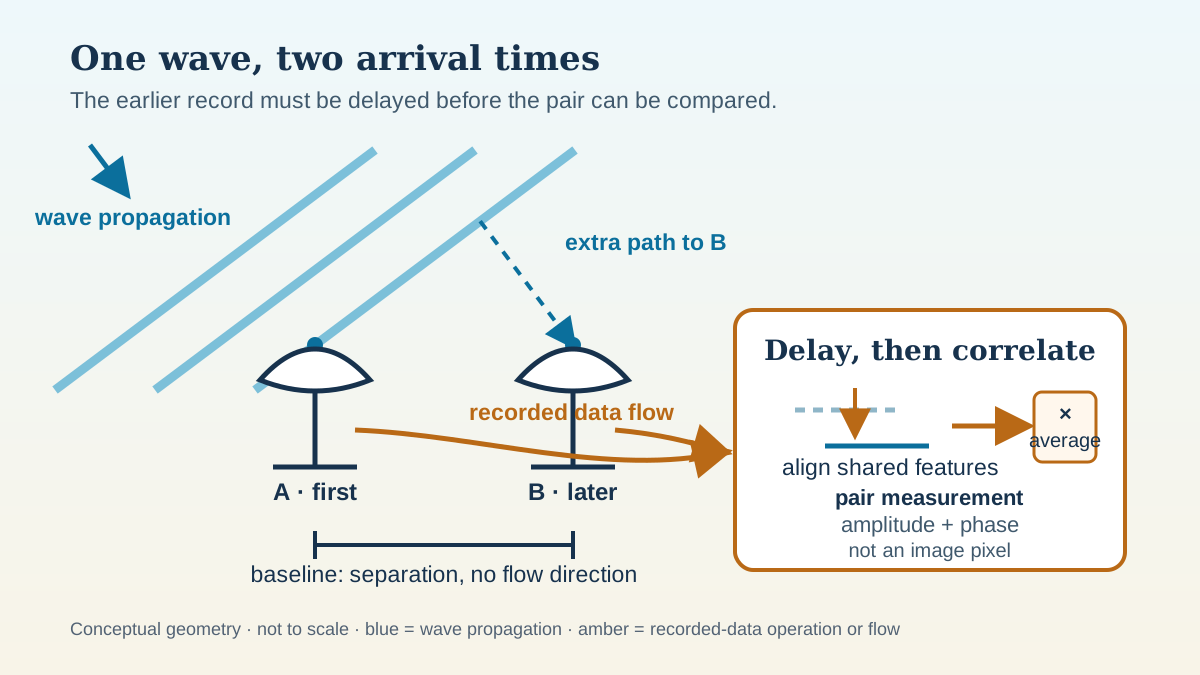
Distant antennas do not stitch photographs together. They compare carefully timed wave signals, using the spaces between dishes to measure finer detail.
Space & Physics
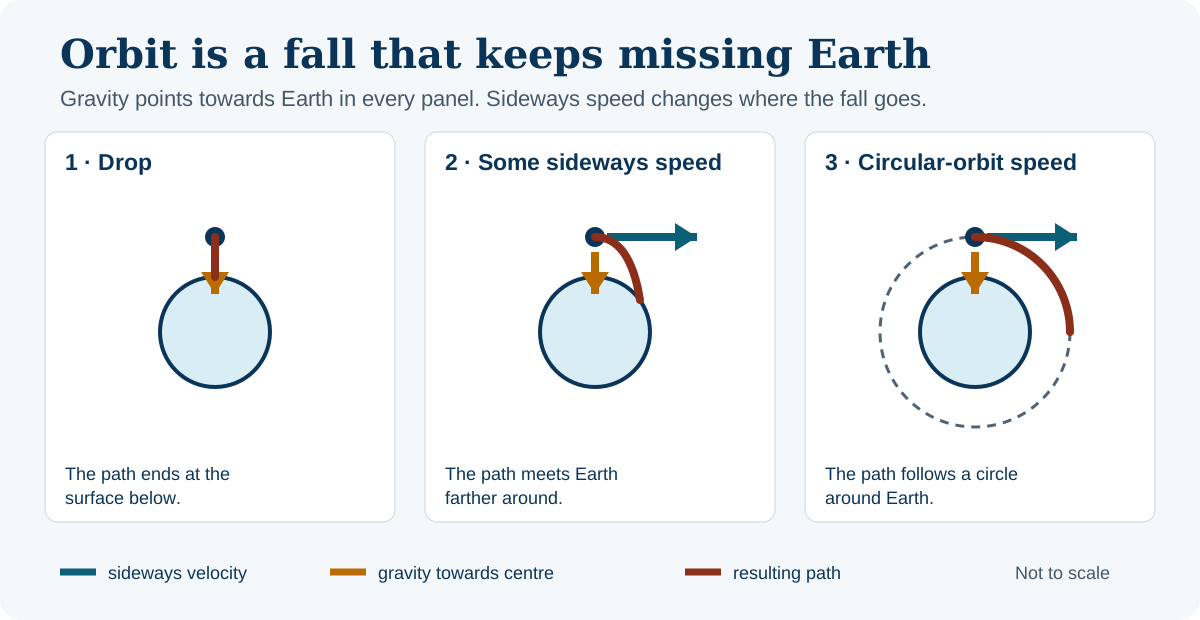
The space station has not escaped Earth’s gravity. It stays aloft because gravity bends a fast sideways journey into a continuous fall around the planet.
Space
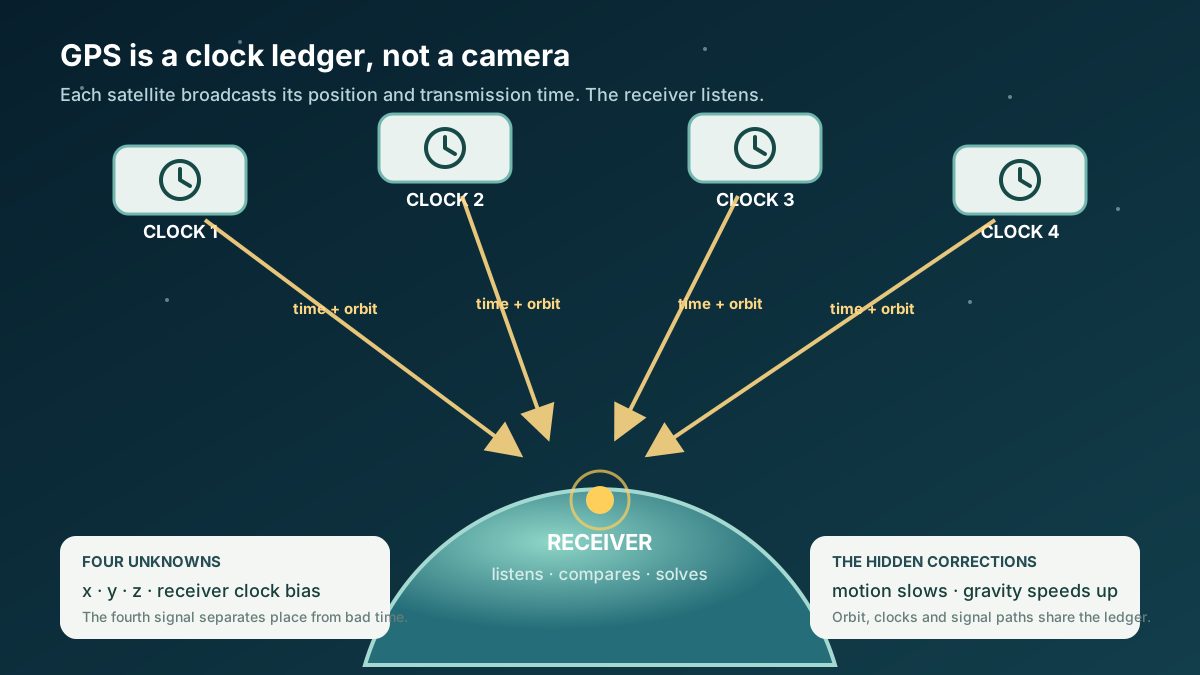
A GPS satellite does not watch your phone. It broadcasts a time, a position and a problem that your least trustworthy clock helps solve.
Space
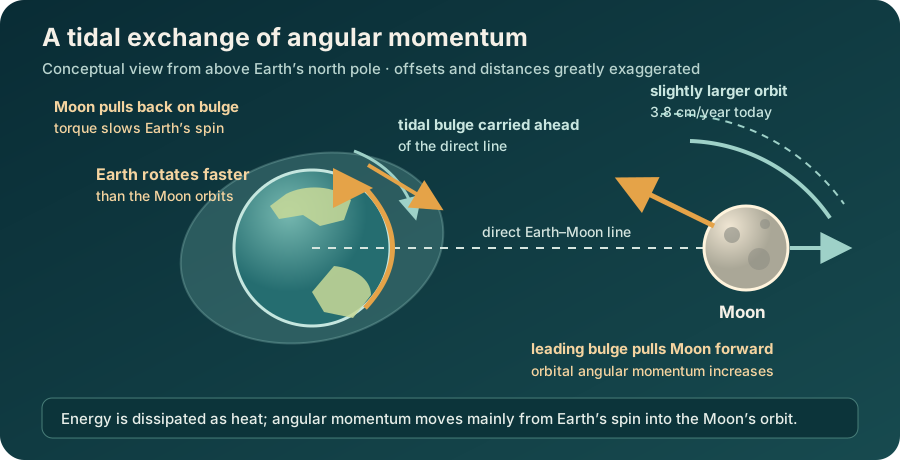
The Moon is not simply escaping. Ocean tides take a little spin from Earth and pass angular momentum into the lunar orbit, while laser echoes reveal the change centimetre by centimetre.
Space
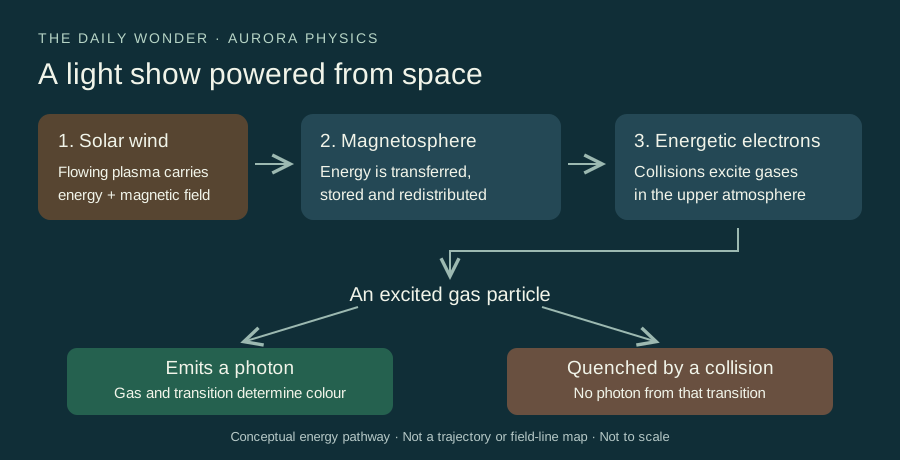
A magnetic world, energetic electrons and a competition between light and collisions turn invisible space weather into curtains of colour.
Space
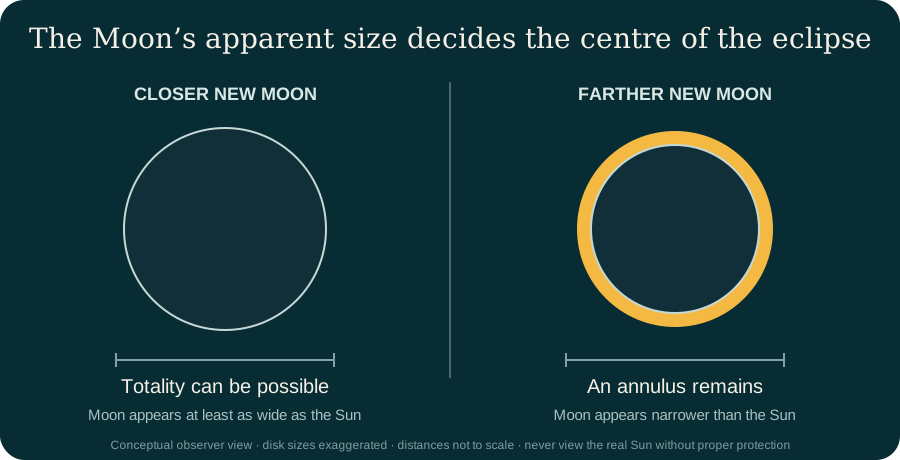
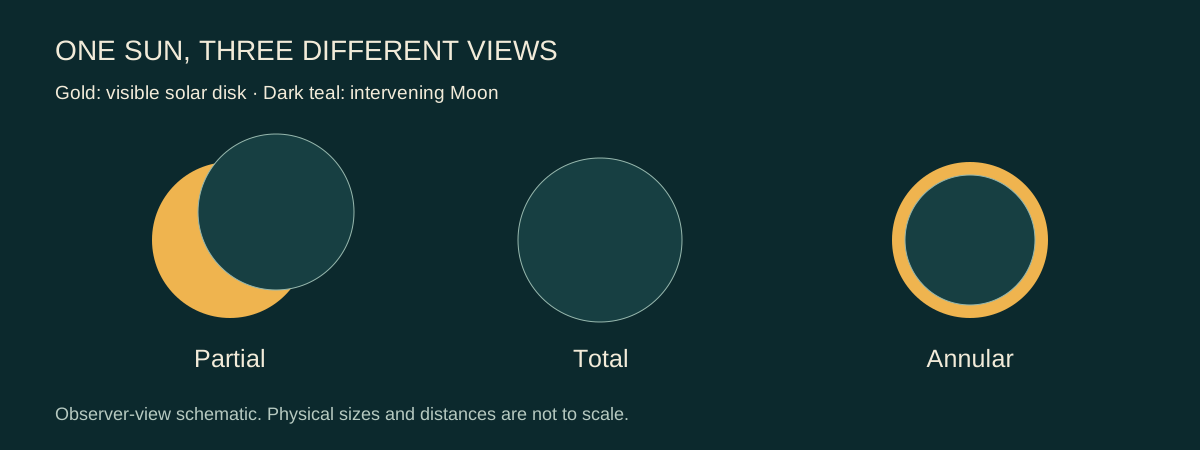
A nearly perfect alignment can still leave sunlight around the Moon. The deciding detail is not the Moon’s true size, but how large it appears from Earth.
Space
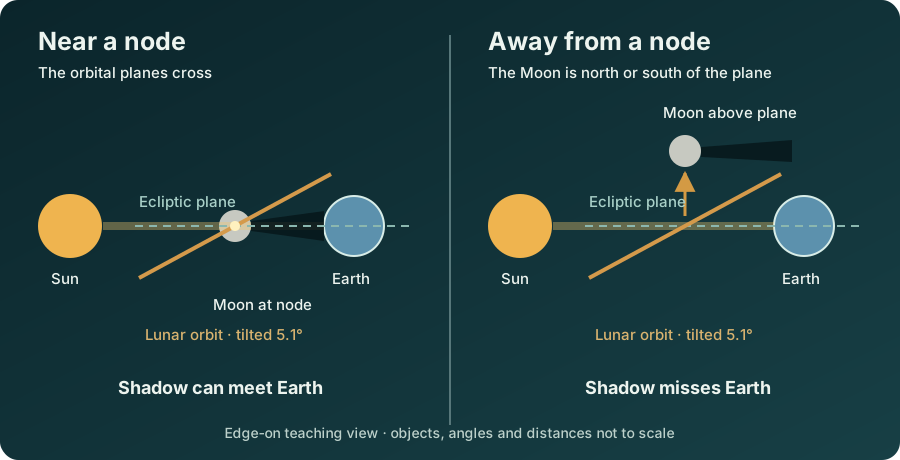
New and full moons happen with clocklike regularity. Eclipses need one more coincidence: the Moon must also be crossing the plane of Earth’s orbit.
Space
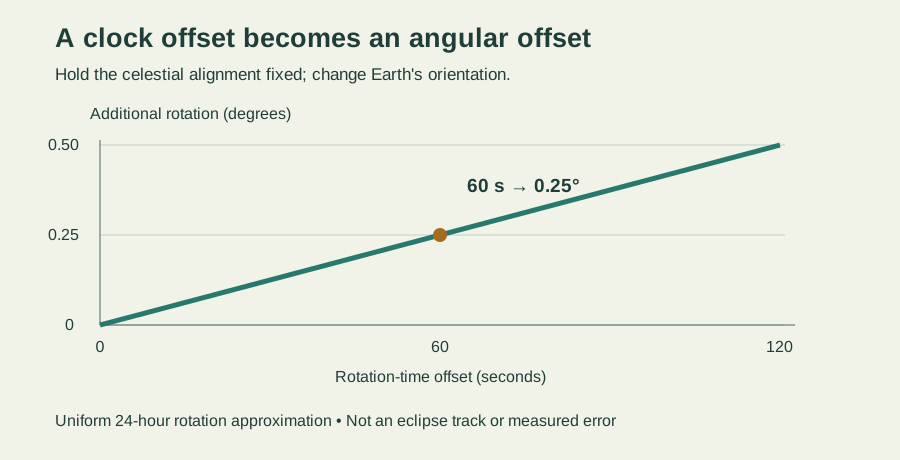
Predicting a darkened Sun is one problem. Saying exactly where its shadow will fall requires a clock, a moving planet and even the mountains on the Moon.
Space
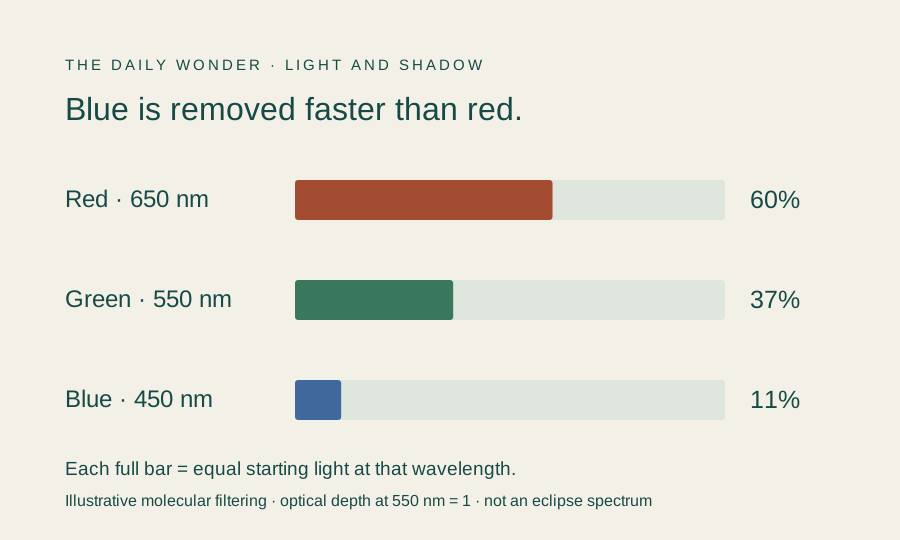
Earth blocks the Sun, yet a little sunlight finds a curved, colourful route through our atmosphere.
Space
A small world can conceal a star when distance supplies the right perspective. The brief darkness can reveal what daylight hides.
KEEP THE CONVERSATION GOING
Have a question, a correction, or an idea for a story? I’d love to hear from you.
avdheshsaini@zohomail.in
The button opens your email app. You can also copy the address.