Earth
What storm waves do to a salt marsh
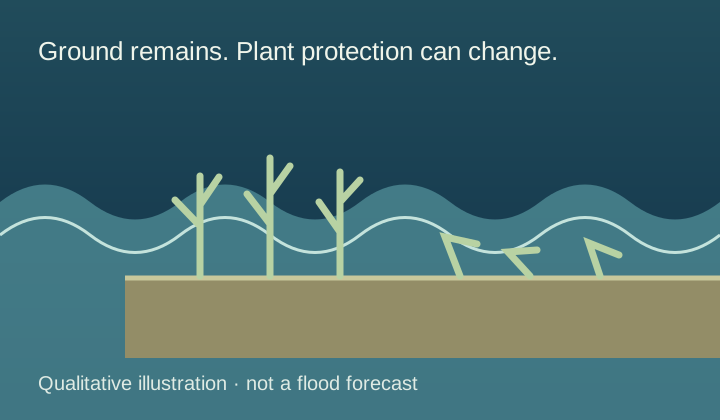
A marsh can keep its ground while damage to its plants weakens part of its wave protection.
THE JOURNAL
Follow water, weather and a changing planet, from ocean depths to the clouds above.
LEARNING LAB · INTERACTIVE
Explore all 118 elements, rotate a 3D atom, look inside its nucleus and discover protons, neutrons and quarks. Start with the familiar table, then look closer one level at a time.
Explore the periodic tableFree to explore. Includes guided discoveries, comparison and a 2D alternative.
24 stories
Earth
A marsh can keep its ground while damage to its plants weakens part of its wave protection.
Earth
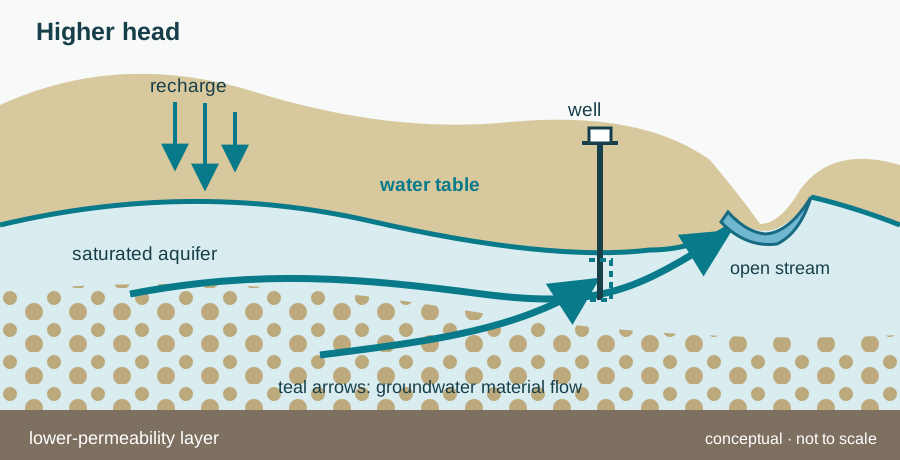
Groundwater usually does not travel through hidden rivers. It follows connected pores and fractures, driven by differences in water level and pressure.
Earth
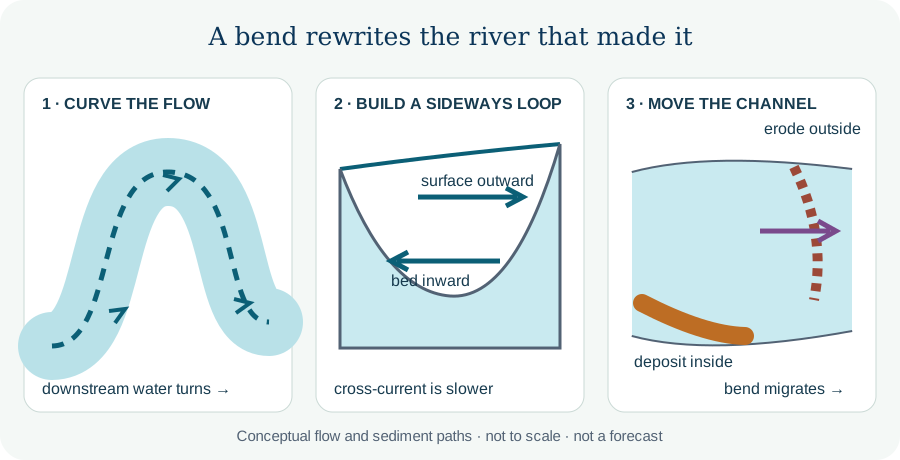
A river bend is not merely a curve in the bank. The curve reorganises pressure, flow and sediment, then those changes move the curve itself.
Climate
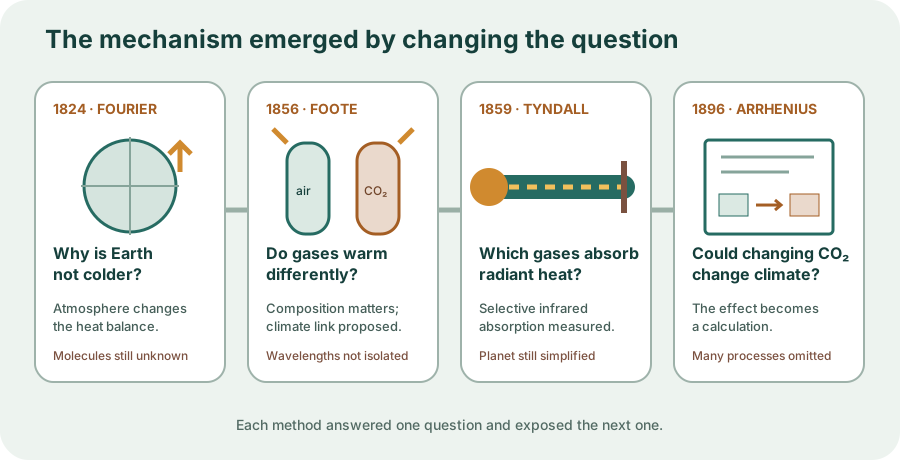
No one saw the whole mechanism at once. A planetary puzzle became a cylinder experiment, then a measurement of invisible radiation, then a calculation about climate.
Weather
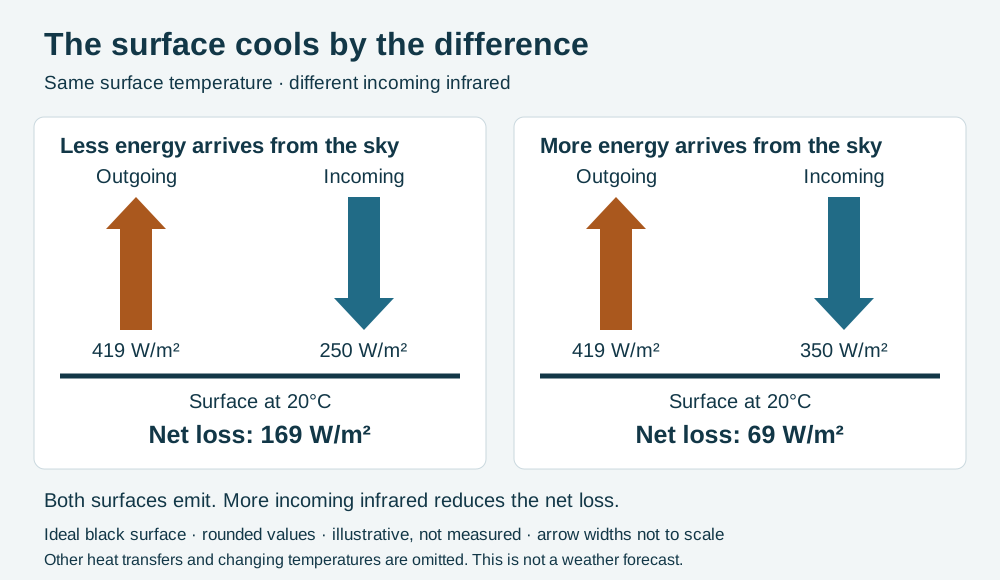
The ground does not wait until sunset to lose heat. Darkness changes the balance. Dry air, clouds, wind and stored warmth decide what happens next.
Oceans
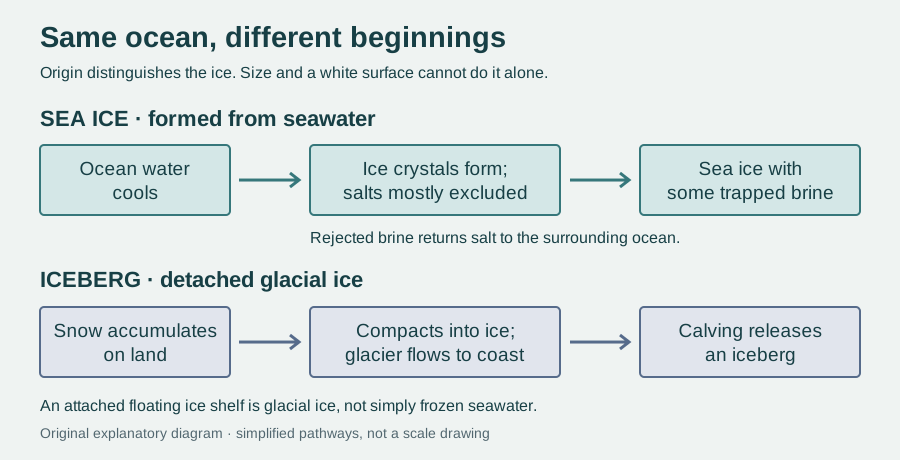
Both float in the ocean, but one freezes there while the other arrives from land. Their different beginnings change their salt content, behaviour and place in the climate system.
Oceans
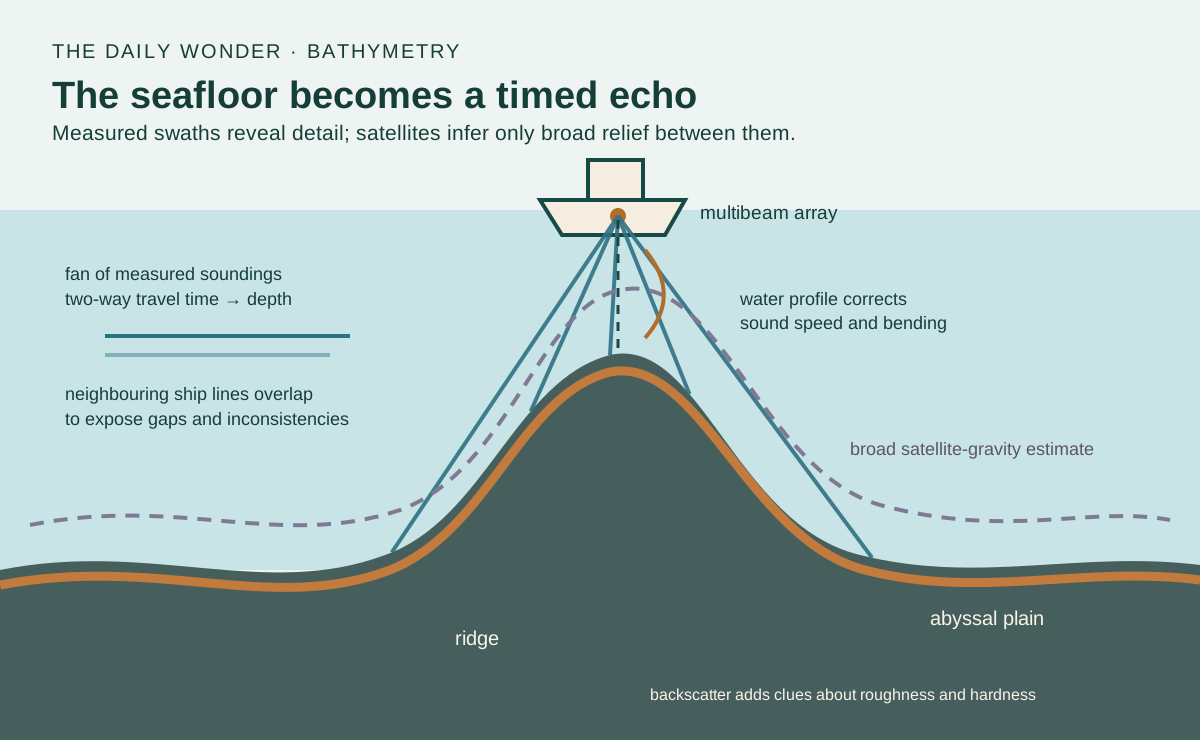
A depth map begins with an echo, but making it trustworthy requires clocks, water profiles, ship-motion corrections and an honest account of what remains unknown.
Earth
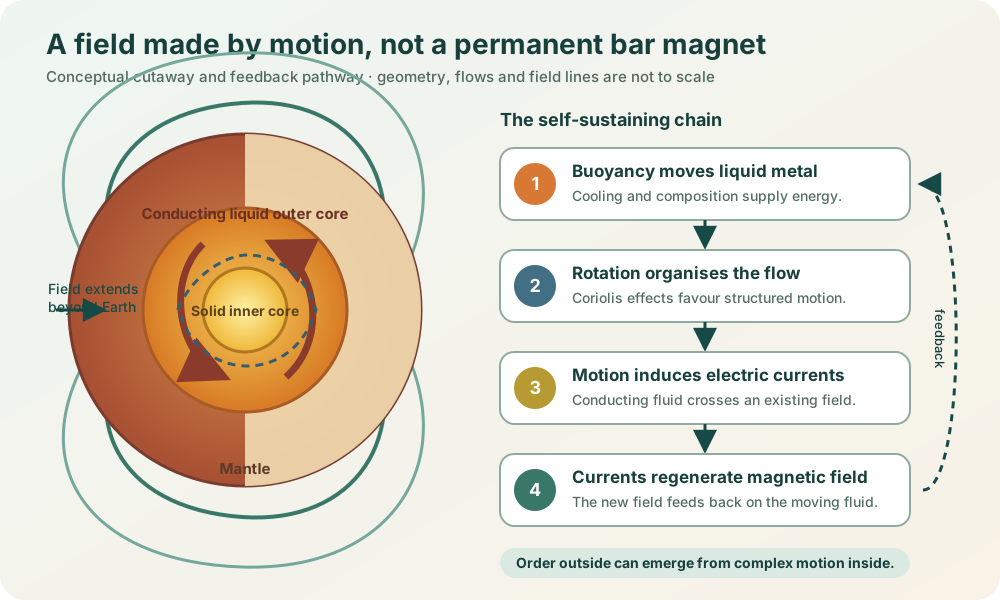
A compass appears calm, but its direction is maintained by turbulent, electrically conducting metal thousands of kilometres below. The result is always changing.
Oceans
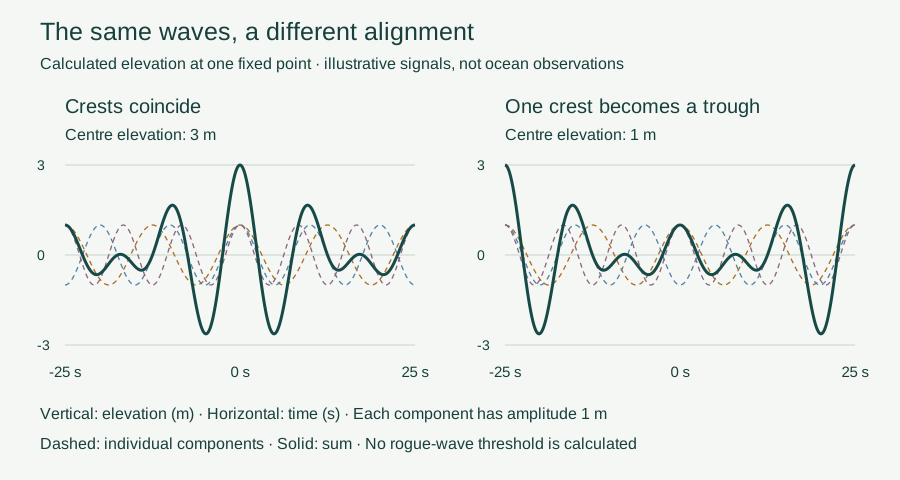
A North Sea measurement turned an extraordinary wave into evidence. Understanding it means looking at the surrounding sea, the timing of crests, and the limits of a forecast.
Oceans
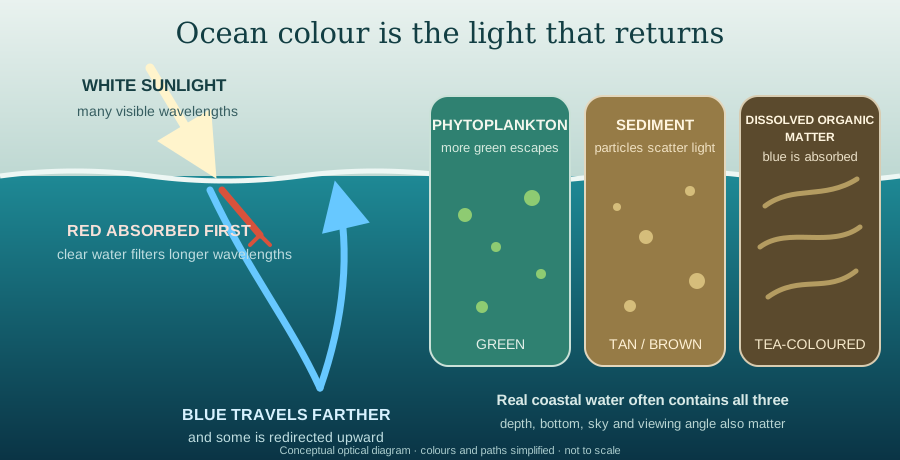
Ocean colour is a record of which wavelengths entered the water, which were absorbed, and which escaped again after meeting water molecules, plankton, sediment and dissolved material.
Weather
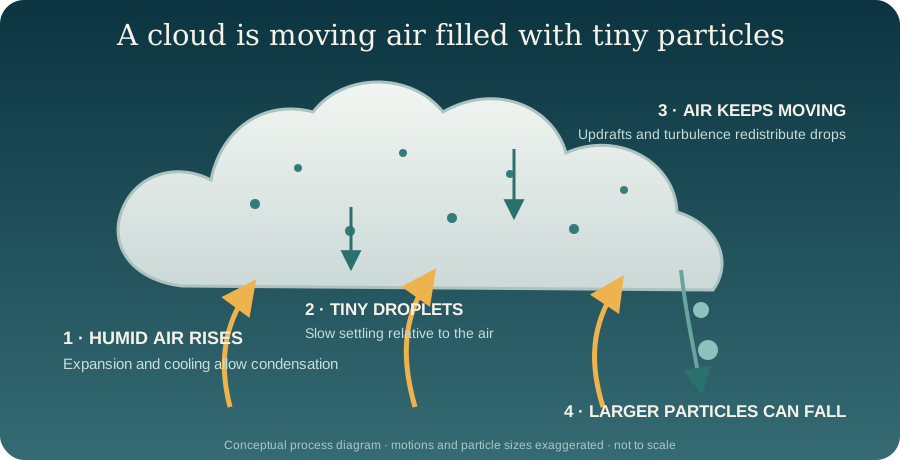
Gravity never switches off inside a cloud. Its droplets remain overhead because they are extraordinarily small, fall slowly through air and live inside a constantly moving system.
Oceans
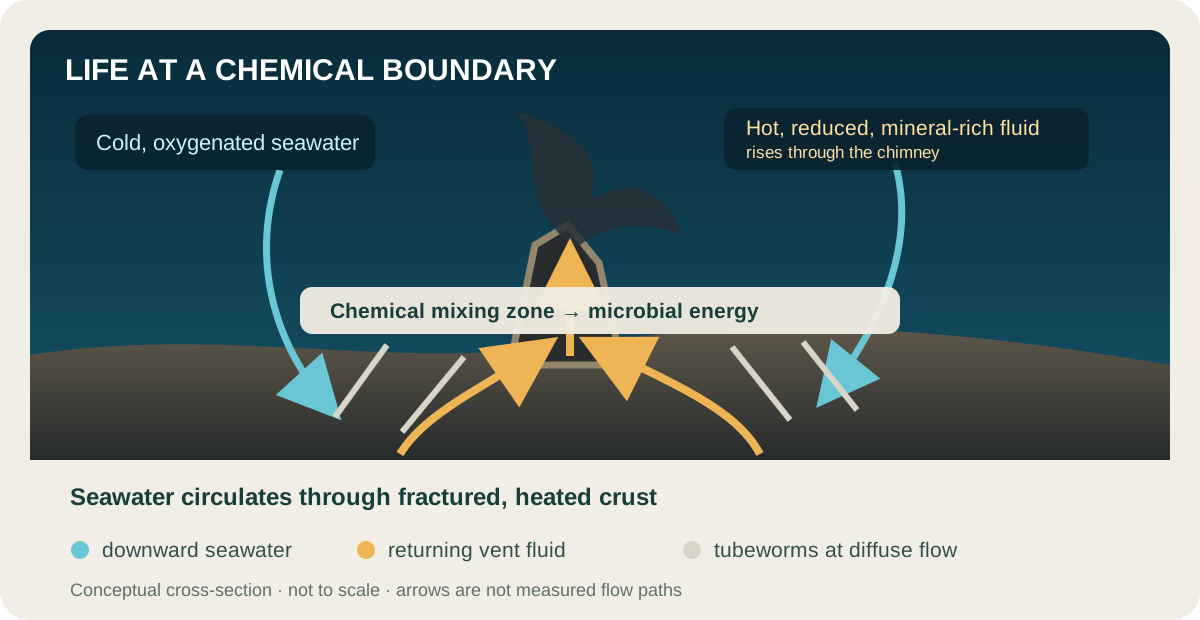
Far below sunlight, seawater circulates through hot rock and returns carrying chemical fuel. Microbes turn the resulting reactions into an ecosystem.
Weather
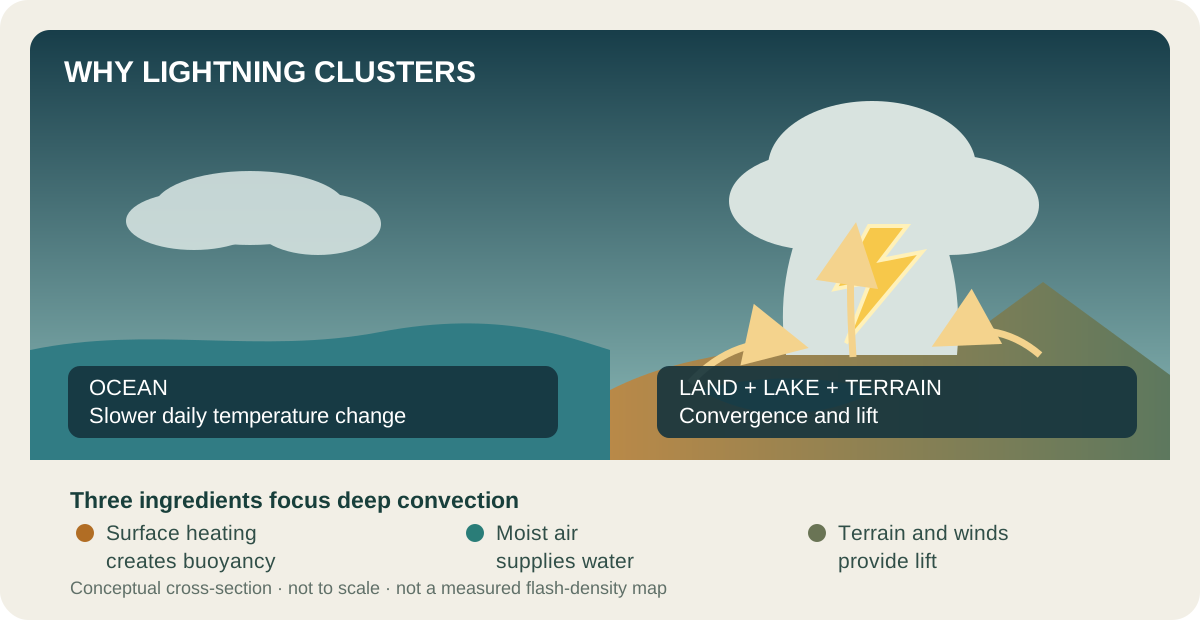
A lightning map is also a map of heat, moisture, rising air and terrain. The ingredients are widespread, but geography assembles them very unevenly.
Oceans
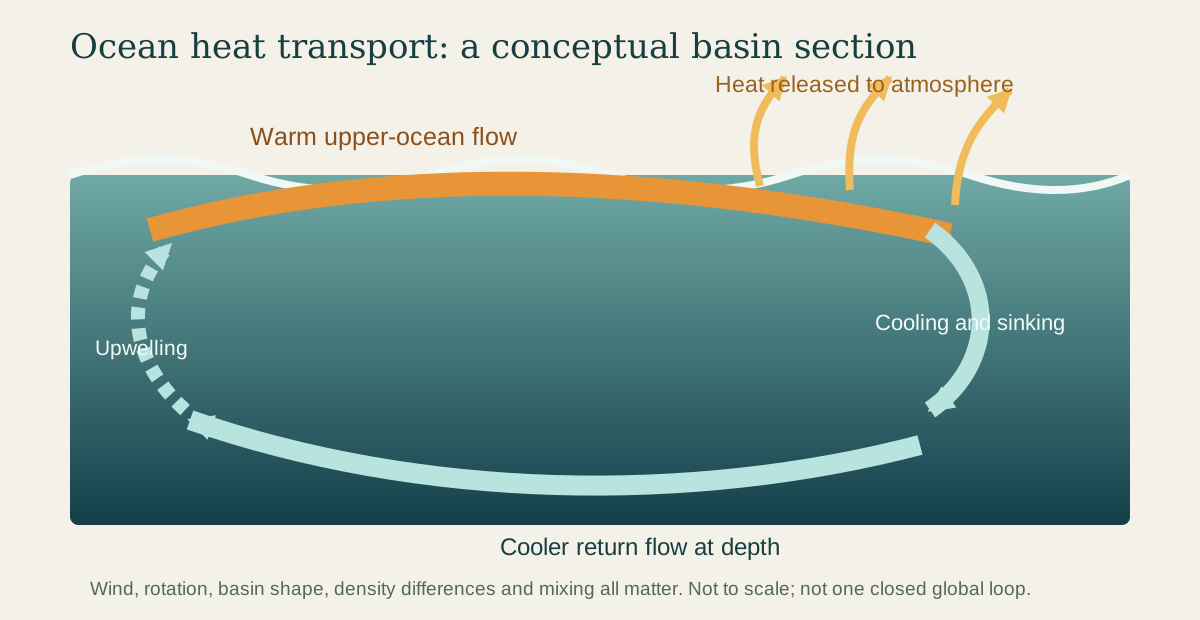
The ocean does not merely store solar energy. Winds, rotating basins and density differences carry it across latitudes and exchange it with the atmosphere.
Oceans
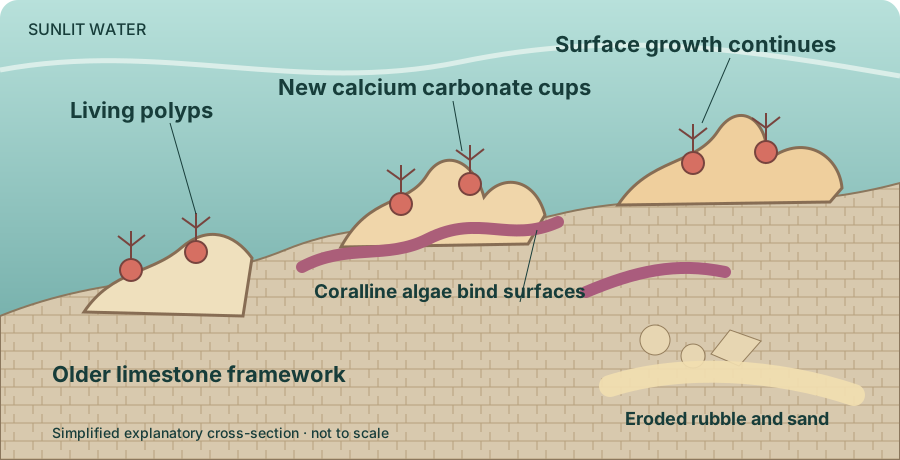
A reef is not a single organism or a pile of dead rock. It is a living construction site where growth, cementing and erosion never stop.
Weather
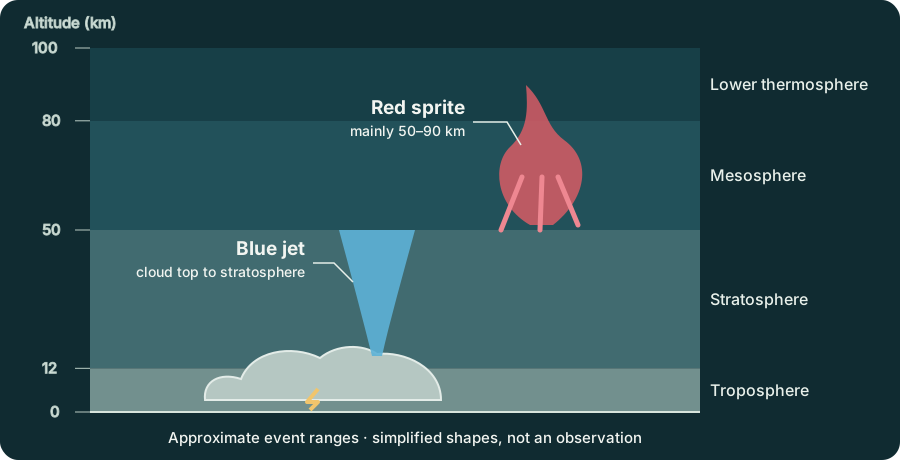
Lightning is not confined beneath a cloud. Brief red and blue discharges can reach upward through atmospheric layers most storms never touch.
Oceans
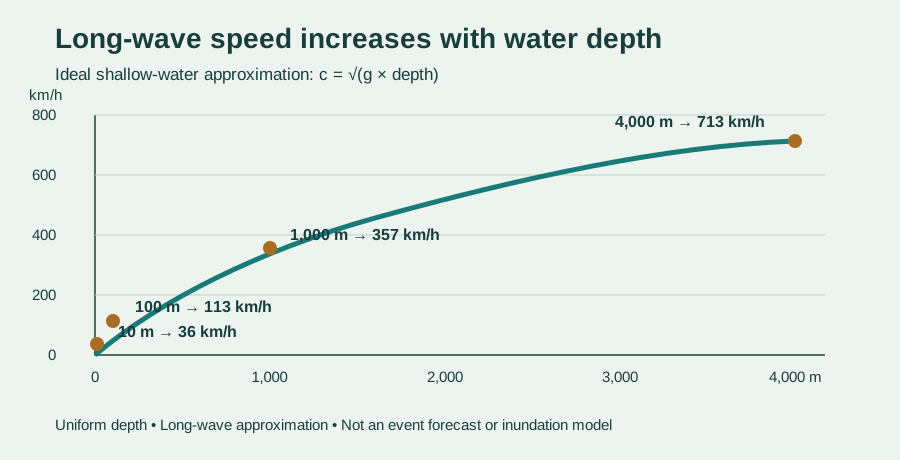
A tsunami can cross an ocean almost unnoticed, then drive water far inland. Its extraordinary behaviour begins with the amount of ocean set in motion.
Oceans
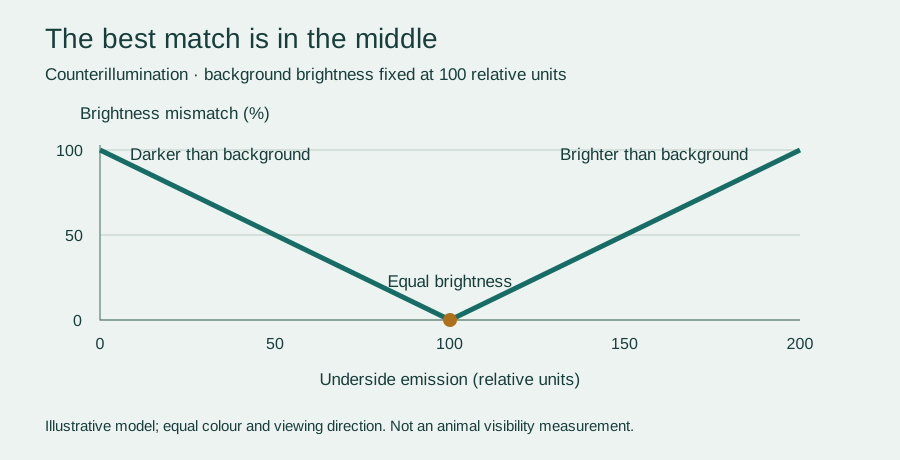
A blue flash in a breaking wave is a biological event. Beneath the surface, living light can attract a meal, announce danger or conceal its maker.
Weather
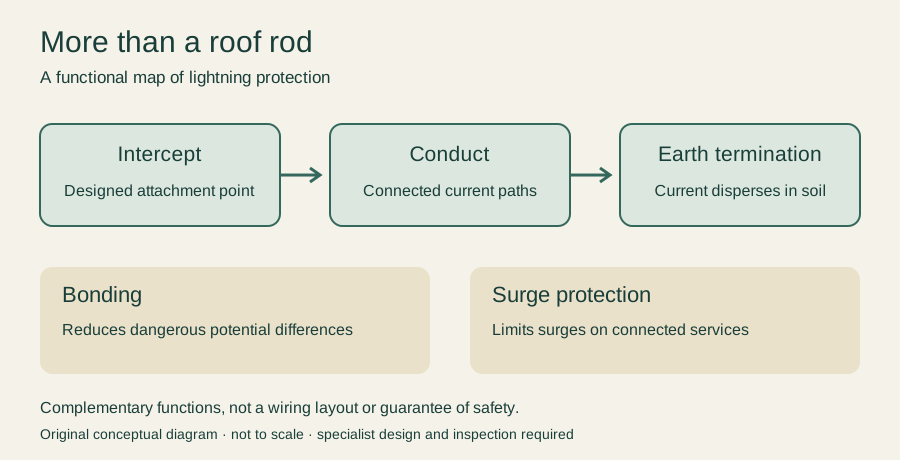
The small metal point on a roof is only the visible beginning of a much larger idea: give a dangerous discharge a controlled route.
Oceans
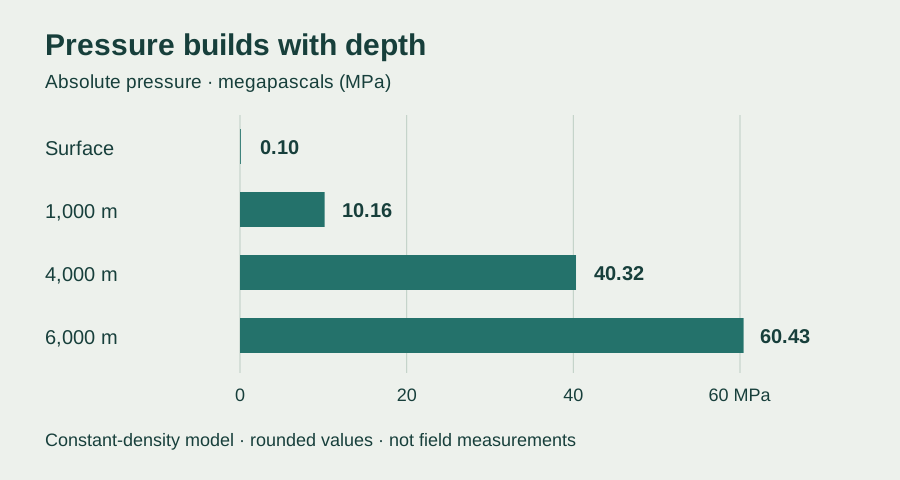
A fragile-looking animal can live where an air-filled chamber needs a strong hull. The difference begins with what is inside.
Oceans
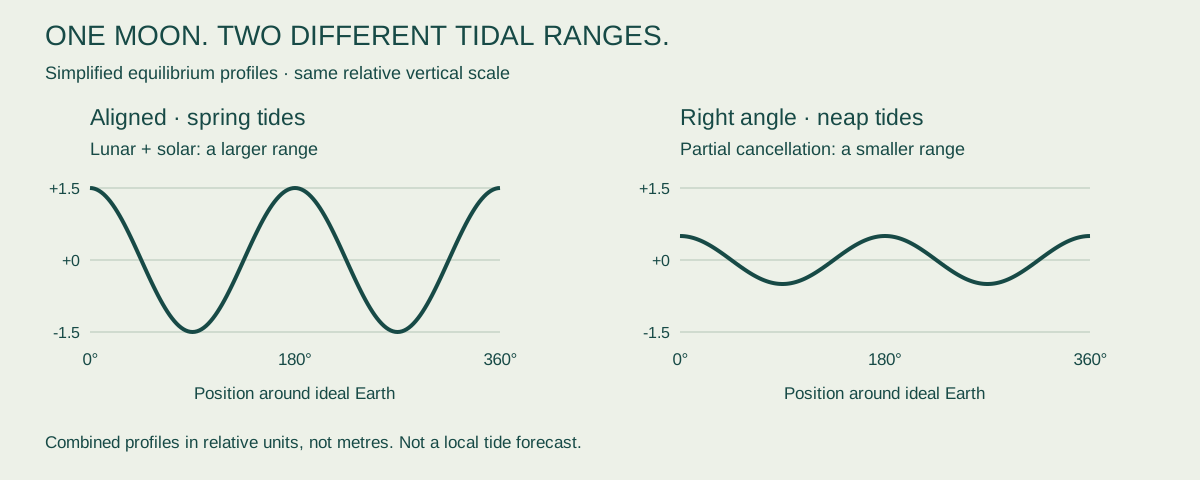
The Moon sets a rhythm, the Sun changes its strength, and every coastline gives the tide a different response.
Weather
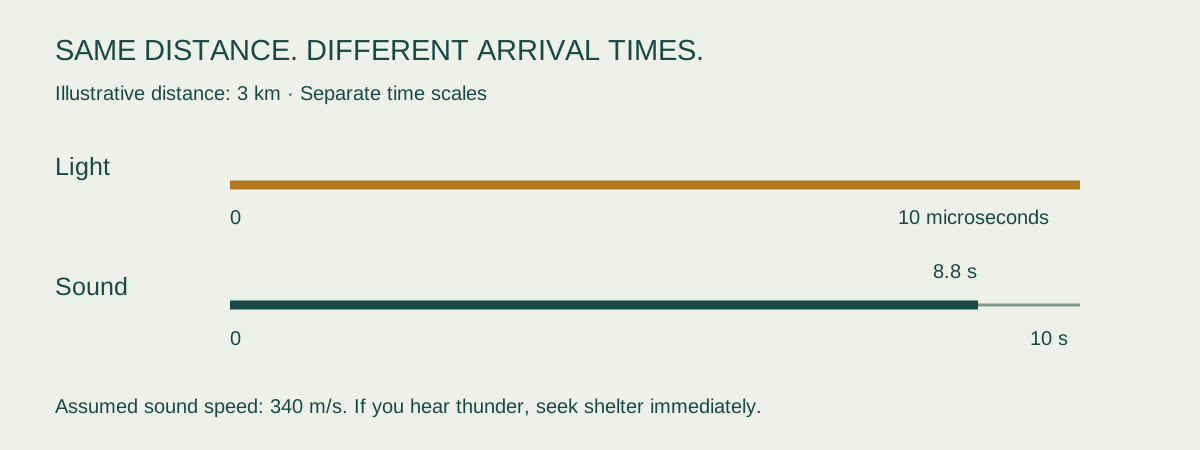
The pause is a travel time. The rolling sound is a clue to the shape of the flash and the atmosphere carrying its voice.
Weather
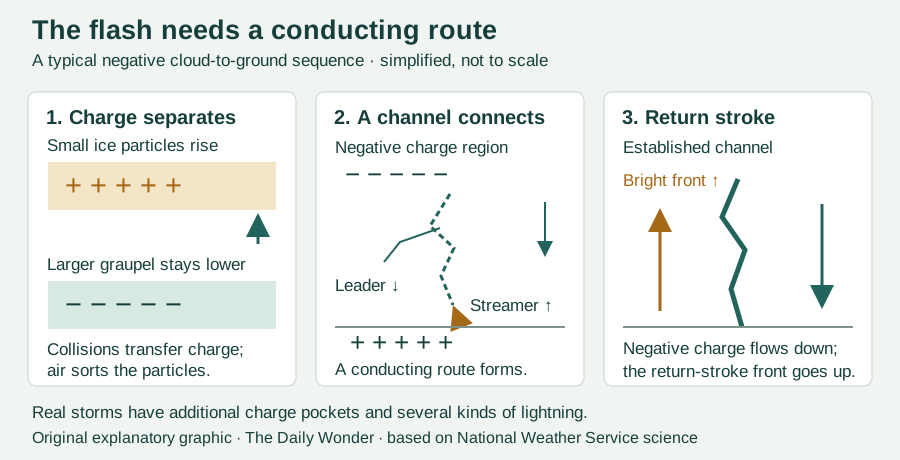
The bolt lasts an instant. Its preparation takes a cloud full of moving ice, separated charges and air pushed beyond its insulating limits.
Oceans
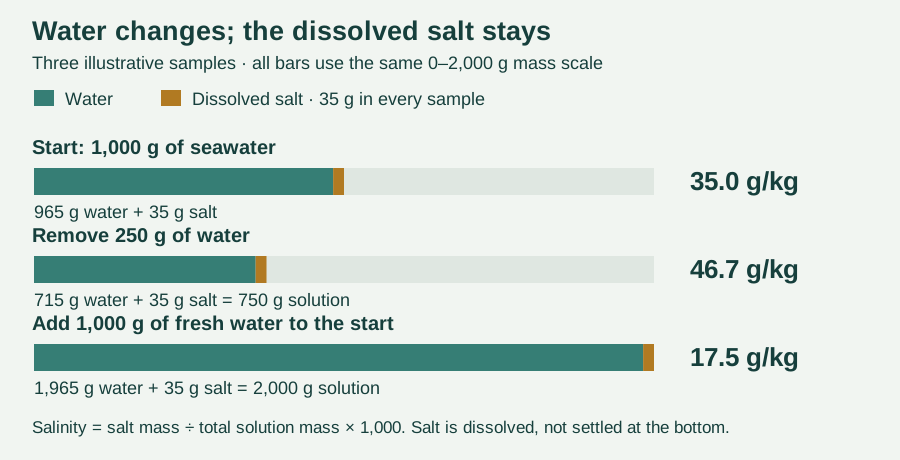
The sea keeps a chemical record of rain on rocks, water returning to the sky and reactions beneath the ocean floor.
KEEP THE CONVERSATION GOING
Have a question, a correction, or an idea for a story? I’d love to hear from you.
avdheshsaini@zohomail.in
The button opens your email app. You can also copy the address.