History
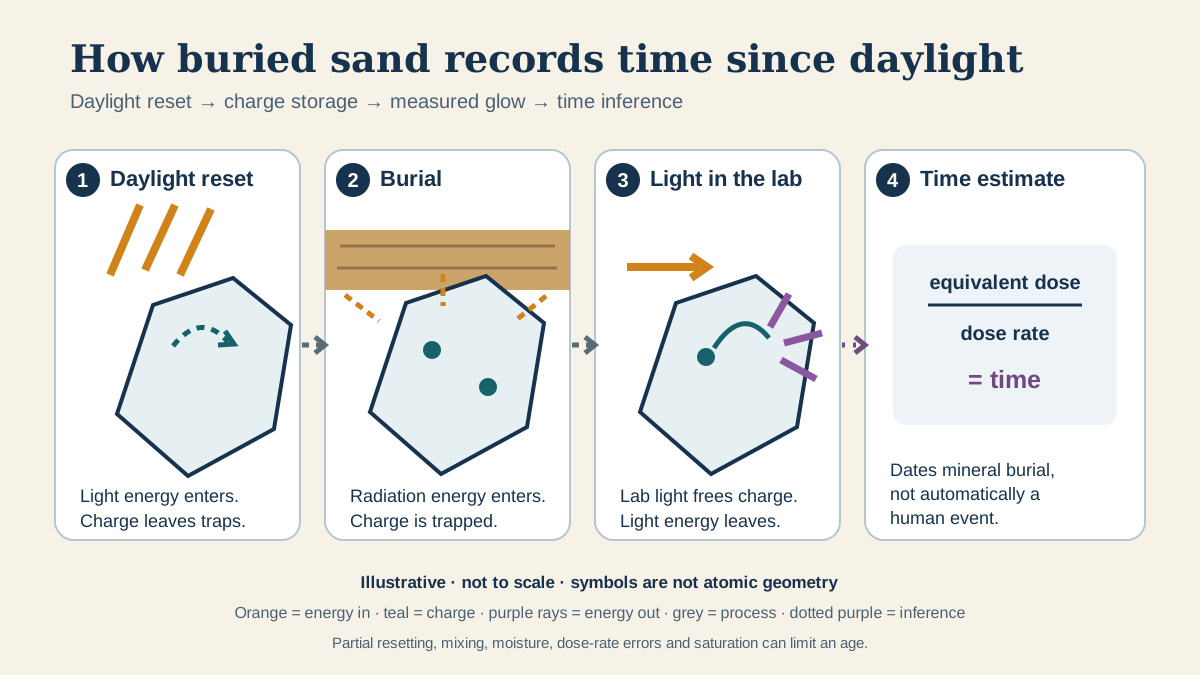
How buried sand records time since daylight
Quartz grains can store a faint record of radiation received in darkness. Reading that signal can estimate when sediment was buried, provided sunlight really reset it and the dose history is known.
THE JOURNAL
Meet the questions, instruments and competing ideas that changed what people could know.
LEARNING LAB · INTERACTIVE
Explore all 118 elements, rotate a 3D atom, look inside its nucleus and discover protons, neutrons and quarks. Start with the familiar table, then look closer one level at a time.
Explore the periodic tableFree to explore. Includes guided discoveries, comparison and a 2D alternative.
9 stories
History
Quartz grains can store a faint record of radiation received in darkness. Reading that signal can estimate when sediment was buried, provided sunlight really reset it and the dose history is known.
History
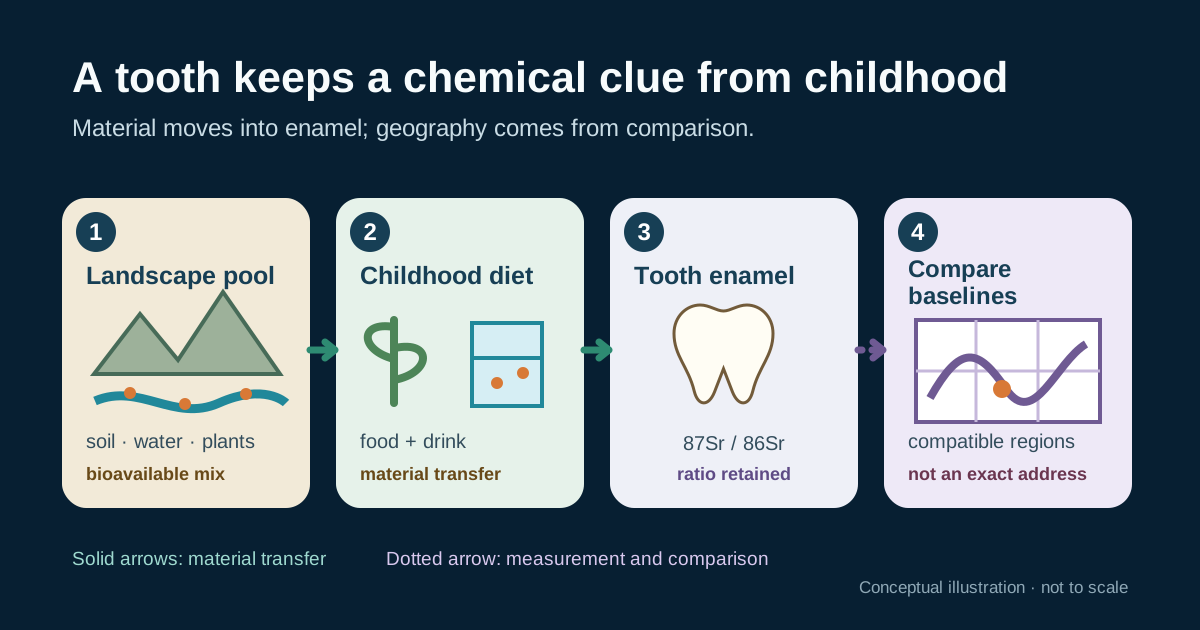
Tooth enamel preserves a childhood strontium ratio. Comparing it with environmental baselines can test local origins, but it cannot supply an exact address.
History
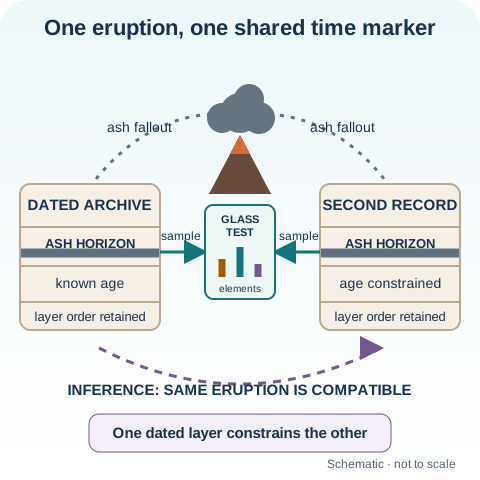
A layer too sparse to see can connect a peat bog, a lake bed and an archaeological site. The link comes from volcanic glass, careful chemistry and disciplined doubt.
History
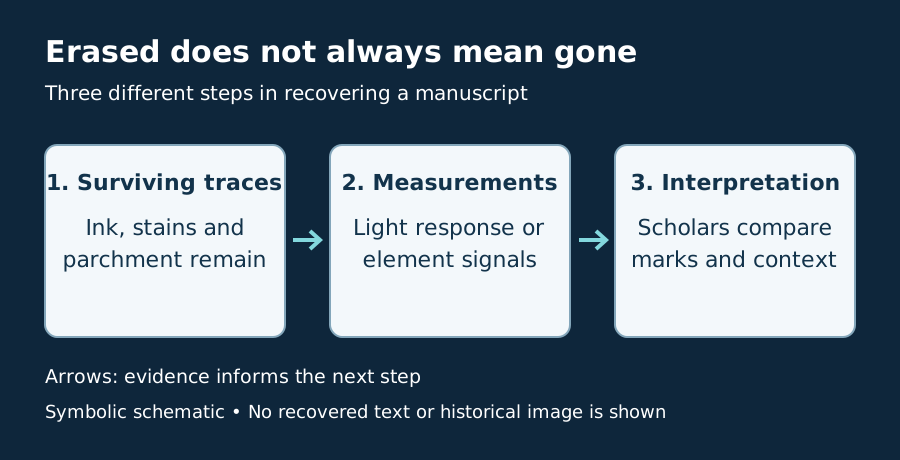
Reused manuscripts can retain traces of older ink. Different imaging methods measure different clues, which scholars must still interpret.
History
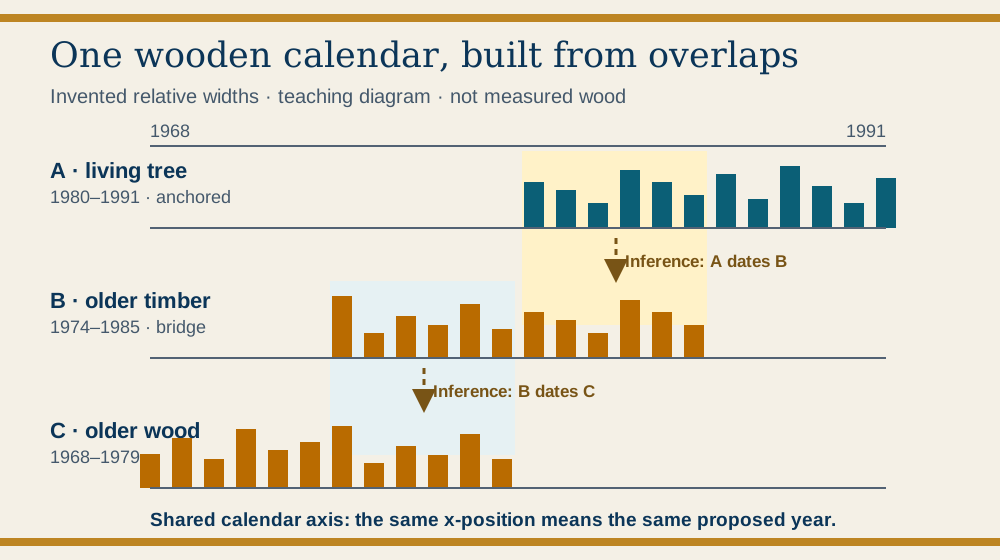
Matching growth patterns across living trees, old timbers and buried wood lets researchers build a calendar longer than any single tree’s life.
History
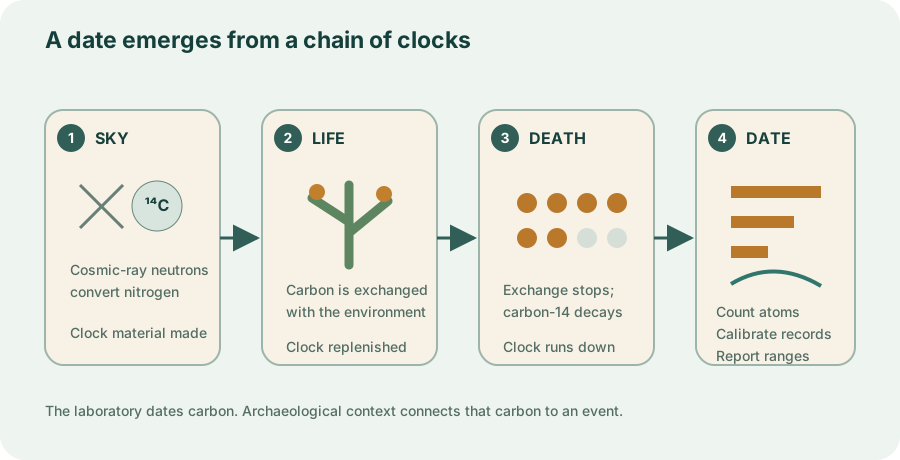
Radiocarbon dating does not read a date stamped inside an object. It builds a probability from cosmic rays, living carbon, atomic counting, tree rings and archaeological context.
History
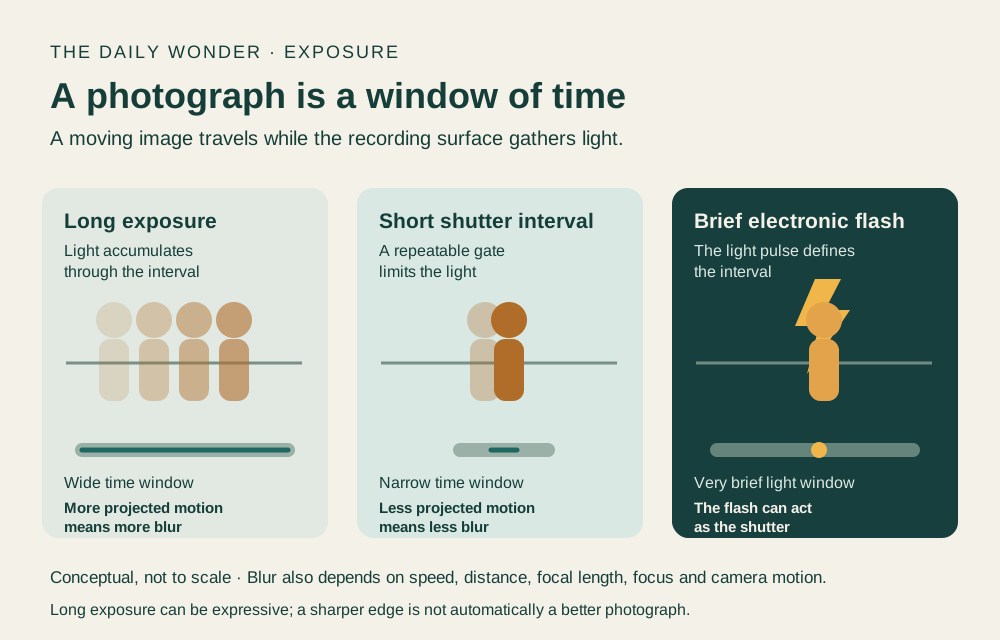
Early cameras accumulated minutes of change. Faster chemistry, precise shutters and brilliant flashes turned an exposure into a measured slice of time.
History
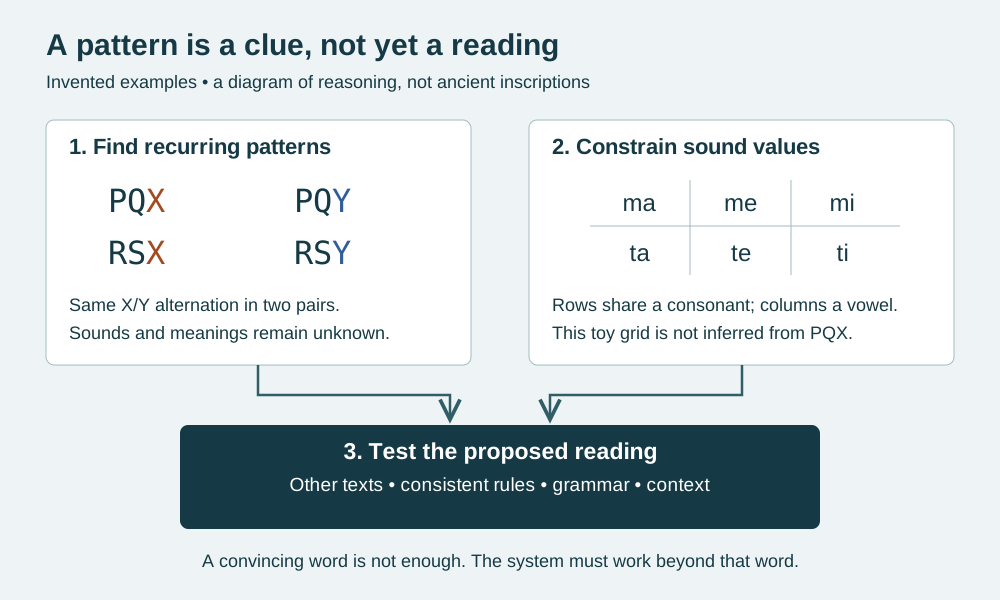
Before anyone could read the words, Alice Kober found relationships between signs. Turning those relationships into Greek required careful records, risky guesses and tests that could fail.
History
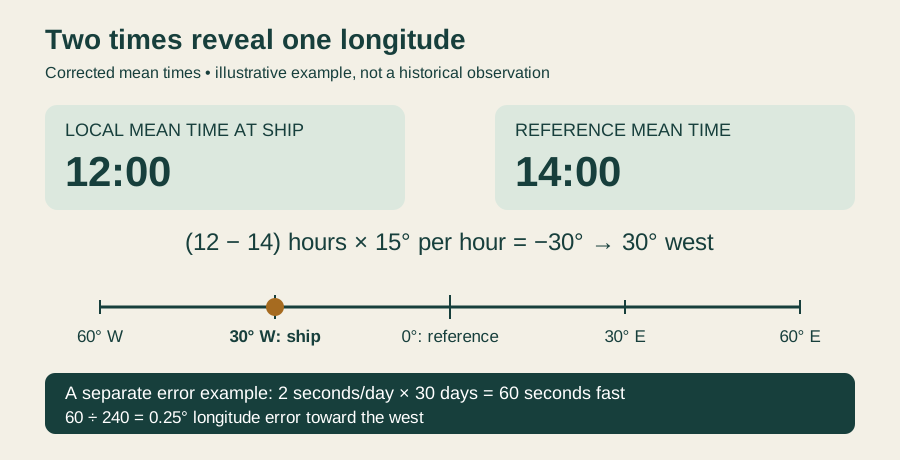
A ship needed to know the time somewhere else. Making that possible took astronomers, stubborn clockmakers, human computers and years of testing.
KEEP THE CONVERSATION GOING
Have a question, a correction, or an idea for a story? I’d love to hear from you.
avdheshsaini@zohomail.in
The button opens your email app. You can also copy the address.